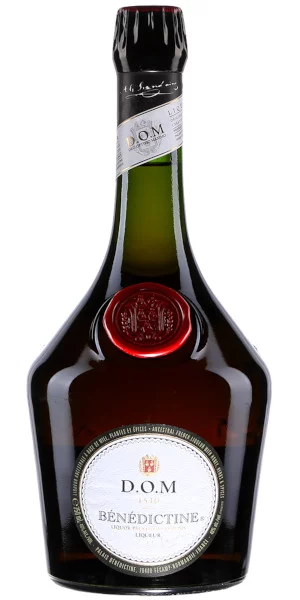
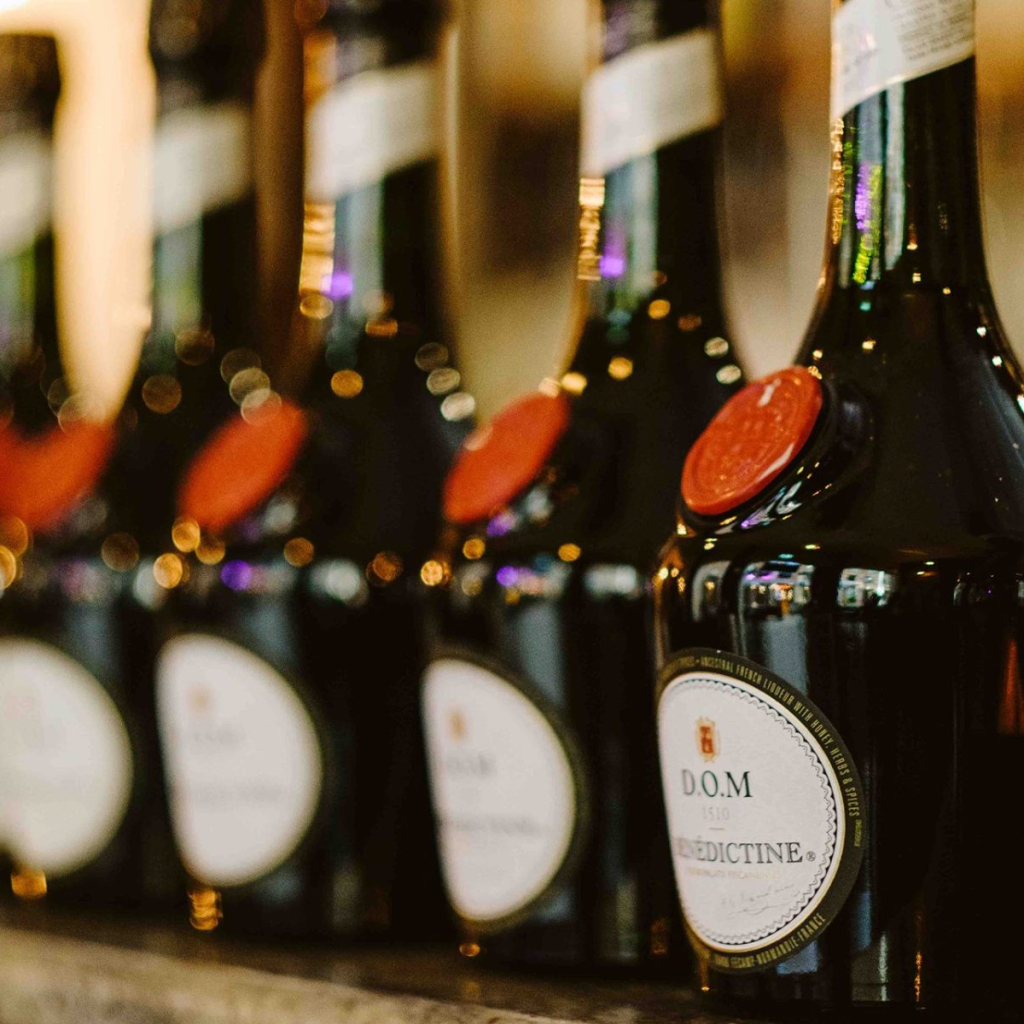
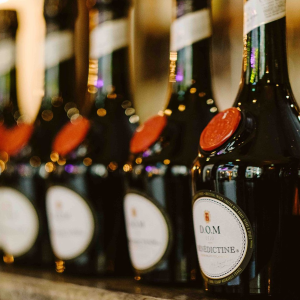
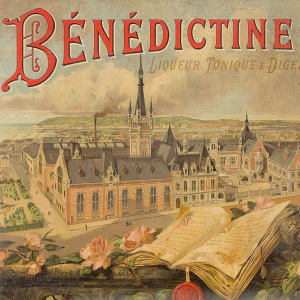
In the 1860s, a wine merchant named Alexandre Le Grand was working on an herbal liqueur and like many others he drew inspiration from old herbalist recipes. One particular manuscipt stood out to him that his family had acquired after the French Revolution: that of Dom Bernardo Vincelli. Though the manuscript contained hundreds of recipes that Le Grand borrowed from, his mythology centered on one that was said to “revitalize” tired monks. Le Grand himself was more merchant than herbalist and quickly realized the marketing value of this provenance. He went so far as to slap Deo Optimo Maximo or D.O.M. (“to God, most good, most great“) on each label which was used by the Benedictine Order to dedicate their work to God. Historians debate whether Vincelli was even a real figure or rather an amalgamation of various herbalists and monks which Le Grand drew from.
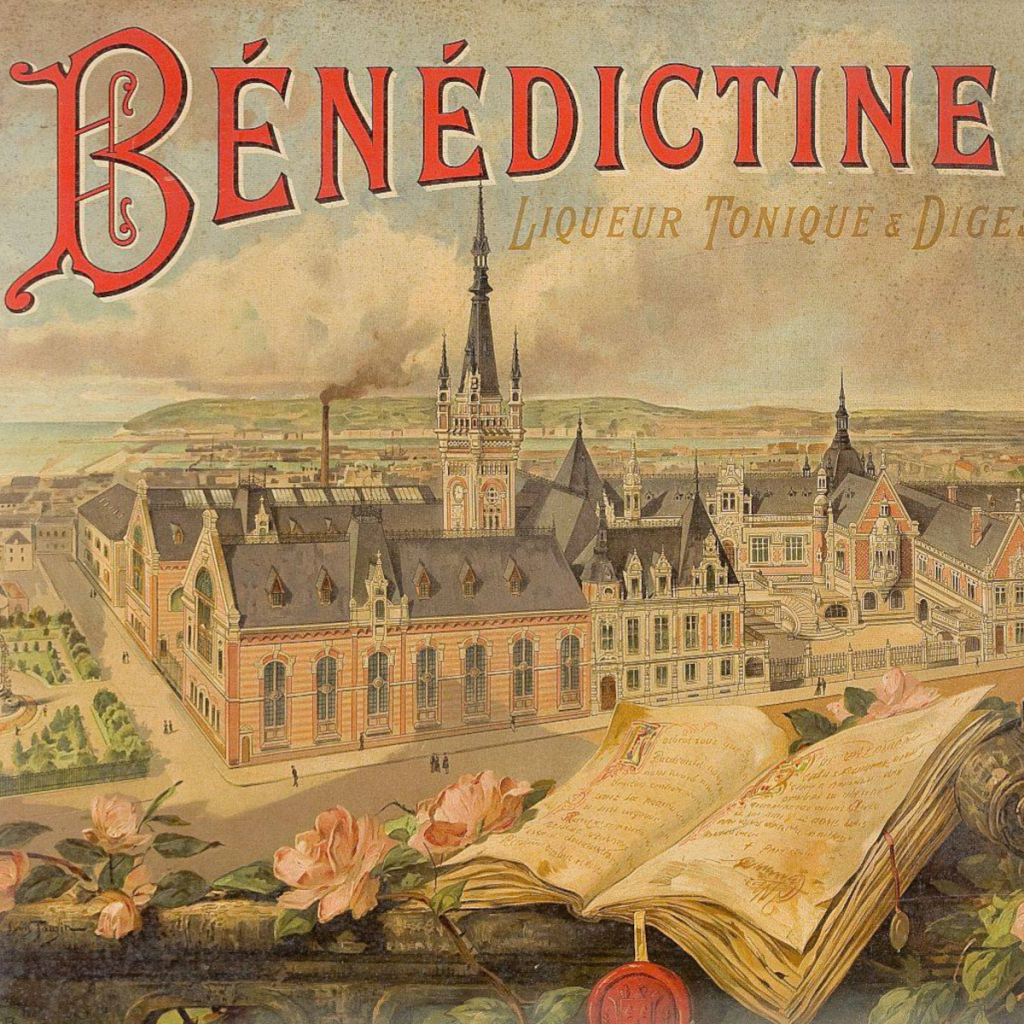
This religious window-dressing worked well as by the 1880s Bénédictine was a growing hit especially in America and Britain. Le Grand snowballed this popularity by becoming a patron of arts and collecting various paintings, sculptures, etc and turning his distillery into a tourist attraction.
Reviews