New + Back in Stock: February 24th, 2023
Wine. Spirits. Beer. Cider. RTD. Whatever you prefer, we always have something interesting for you to discover.
Browse our NEW products this week, plus best sellers that are back in stock:
Wine. Spirits. Beer. Cider. RTD. Whatever you prefer, we always have something interesting for you to discover.
Browse our NEW products this week, plus best sellers that are back in stock:

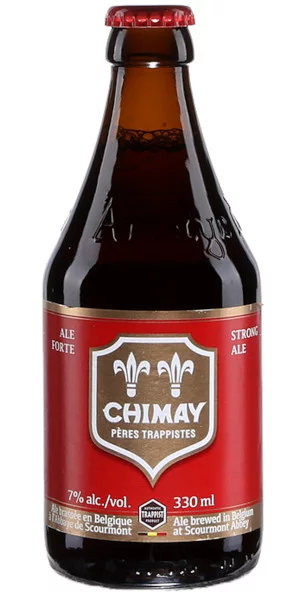
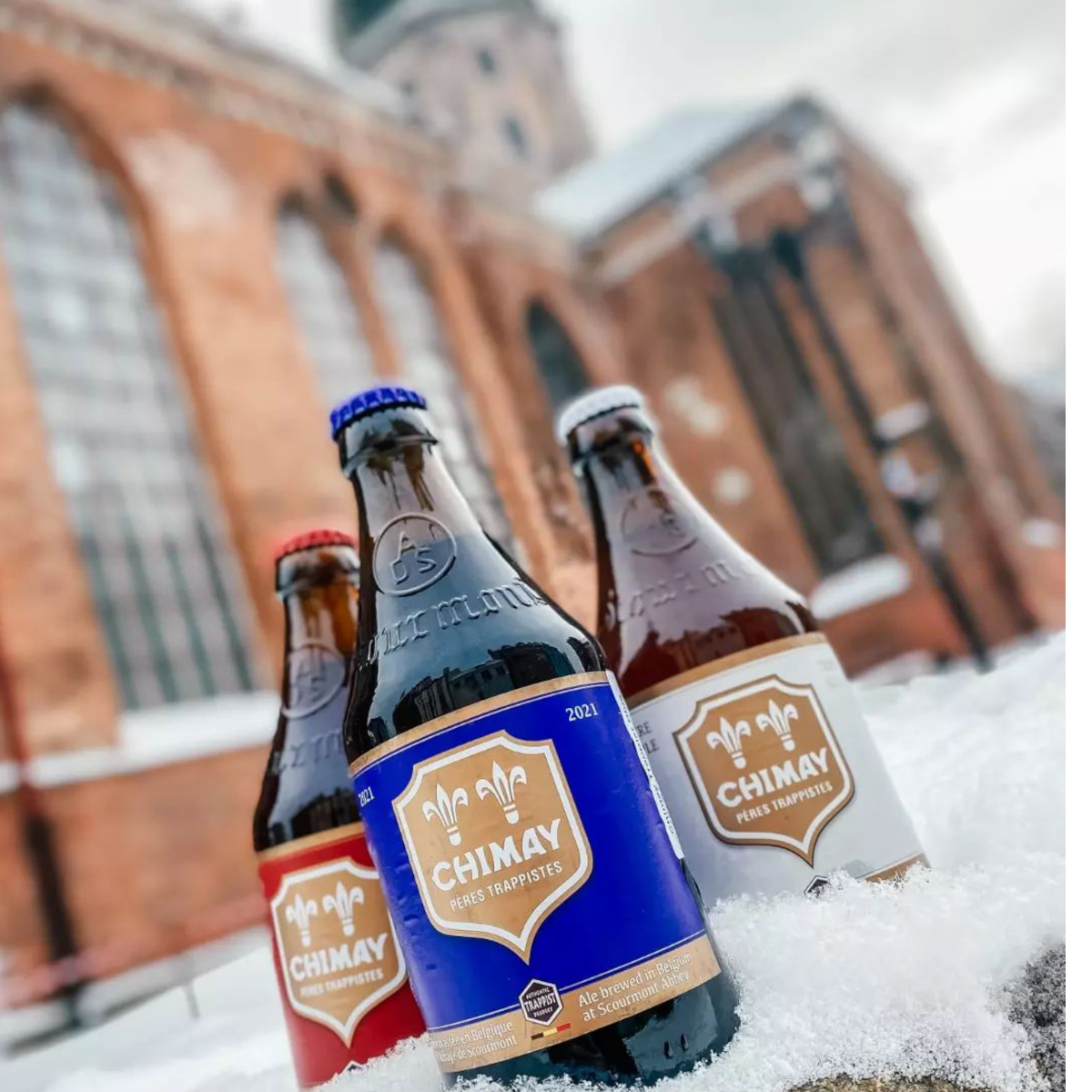
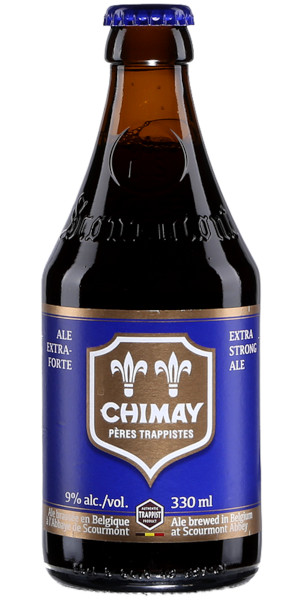
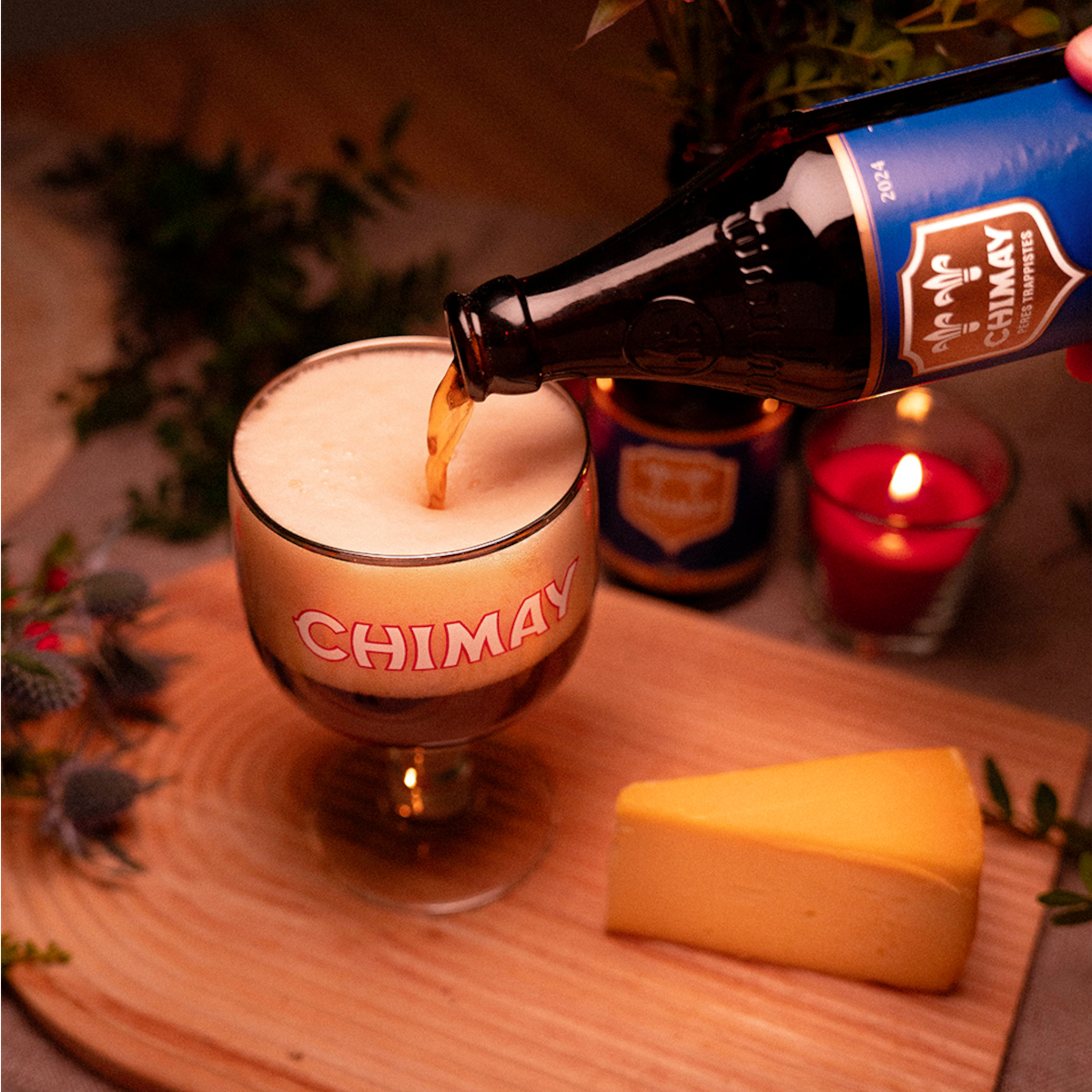
Chimay is the name of the Trappist brewery* that produces beer within the Scourmont abbey, 1km from the French border, and they have been brewing beer since 1862. Losing their copper brewing kettles to the Nazis during the war, the brewery had to restart over, but have since become arguably the most well-known Trappist brewery in the world. Like most Trappist breweries, Chimay has a house yeast culture, some may call a “super-yeast” that can produce exceptionally complex, and elegant styles of beer.
*The term Trappist Brewery relates to beer made within the walls of a Trappist abbey, where the brewing is performed by, or under the supervision of Cistercian monks. There are only a handful of legally defined Trappist breweries in the world.
Chimay is the name of the Trappist brewery* that produces beer within the Scourmont abbey, 1km from the French border, and they have been brewing beer since 1862. Losing their copper brewing kettles to the Nazis during the war, the brewery had to restart over, but have since become arguably the most well-known Trappist brewery in the world. Like most Trappist breweries, Chimay has a house yeast culture, some may call a “super-yeast” that can produce exceptionally complex, and elegant styles of beer.
*The term Trappist Brewery relates to beer made within the walls of a Trappist abbey, where the brewing is performed by, or under the supervision of Cistercian monks. There are only a handful of legally defined Trappist breweries in the world.
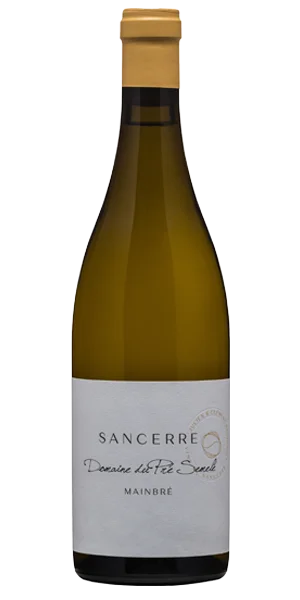
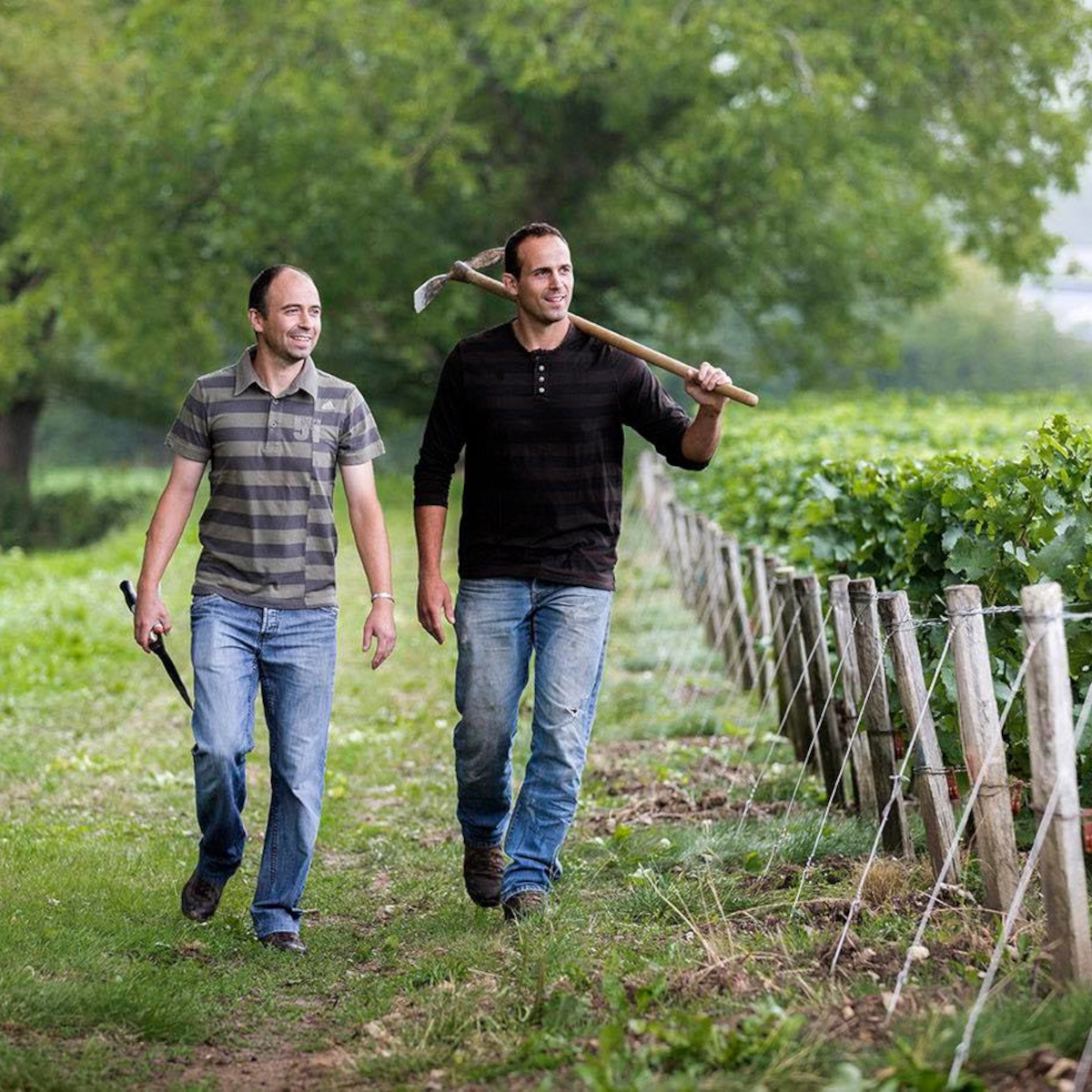
Domaine du Pré Semelé is located in a tiny valley a few miles northwest of the hilltop town of Sancerre. Three generations of the family Raimbault have grown grapes and made wine. Grandfather Maurice worked the vineyards, 3ha, with his brother Camille. Maurice’s sons Claude and Rémy followed suit in 1988 expanding the holdings to 12ha. In 2001 Rémy’s son Julien stepped in as vigneron and the three created a new name, Domaine du Pré Semelé (pronounced pray sem-ill-ay, it is the name of the plot of land on which the winery sits.) Claude retired in 2009 and Remy’s son Clément became the winemaker. Rémy still helps out at the domaine, but it is the new generation that is taking the estate and its wines to the next level . Today Julien and Clément manage the 18 hectares of vines across 45 different parcels, three quarters Sauvignon Blanc and the rest Pinot Noir. Their farming practices are “lutte raisonée” though most would call their methods practicing organic, or non certified organic. He uses no insecticides or pesticides in the vineyards. 90% of the vineyard rows are grassed to encourage a natural and healthy environment for the vines.
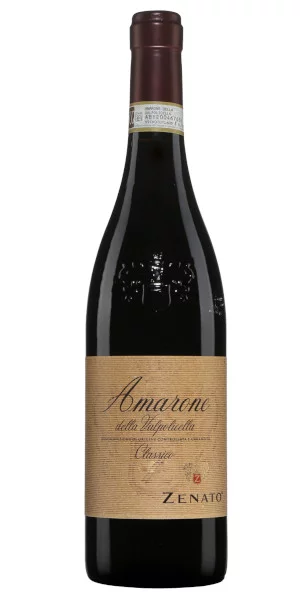
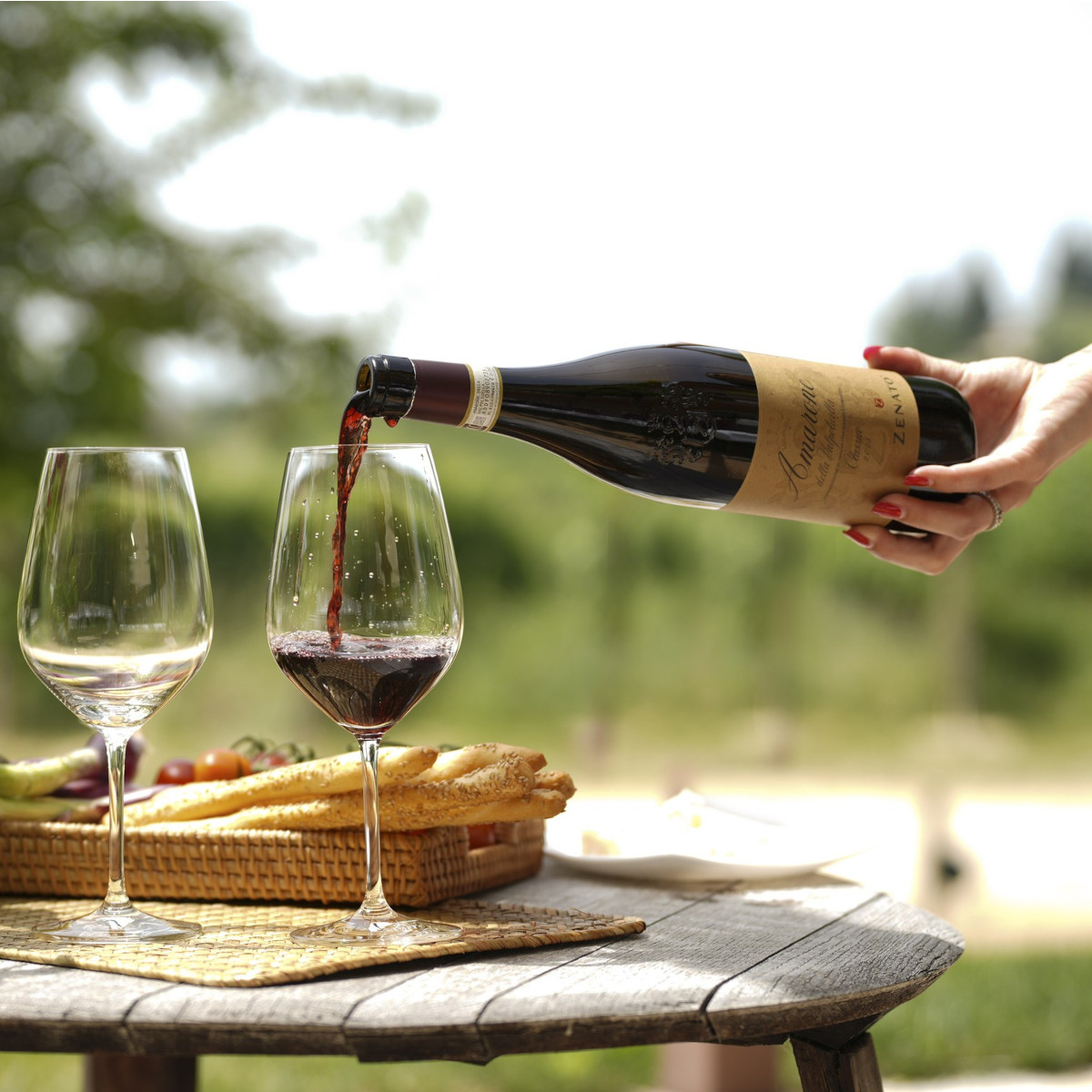
Zenato is a historic and well respected name in Northern Italy’s Veneto region. Sergio Zenato started the winery in 1960 and today the family tradition in winemaking is carried on by his children Alberto and Nadia. The estate produces a range of white and red wines.
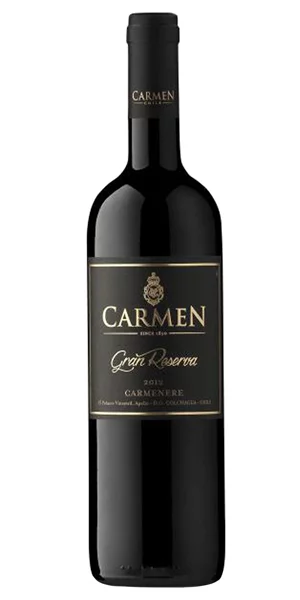
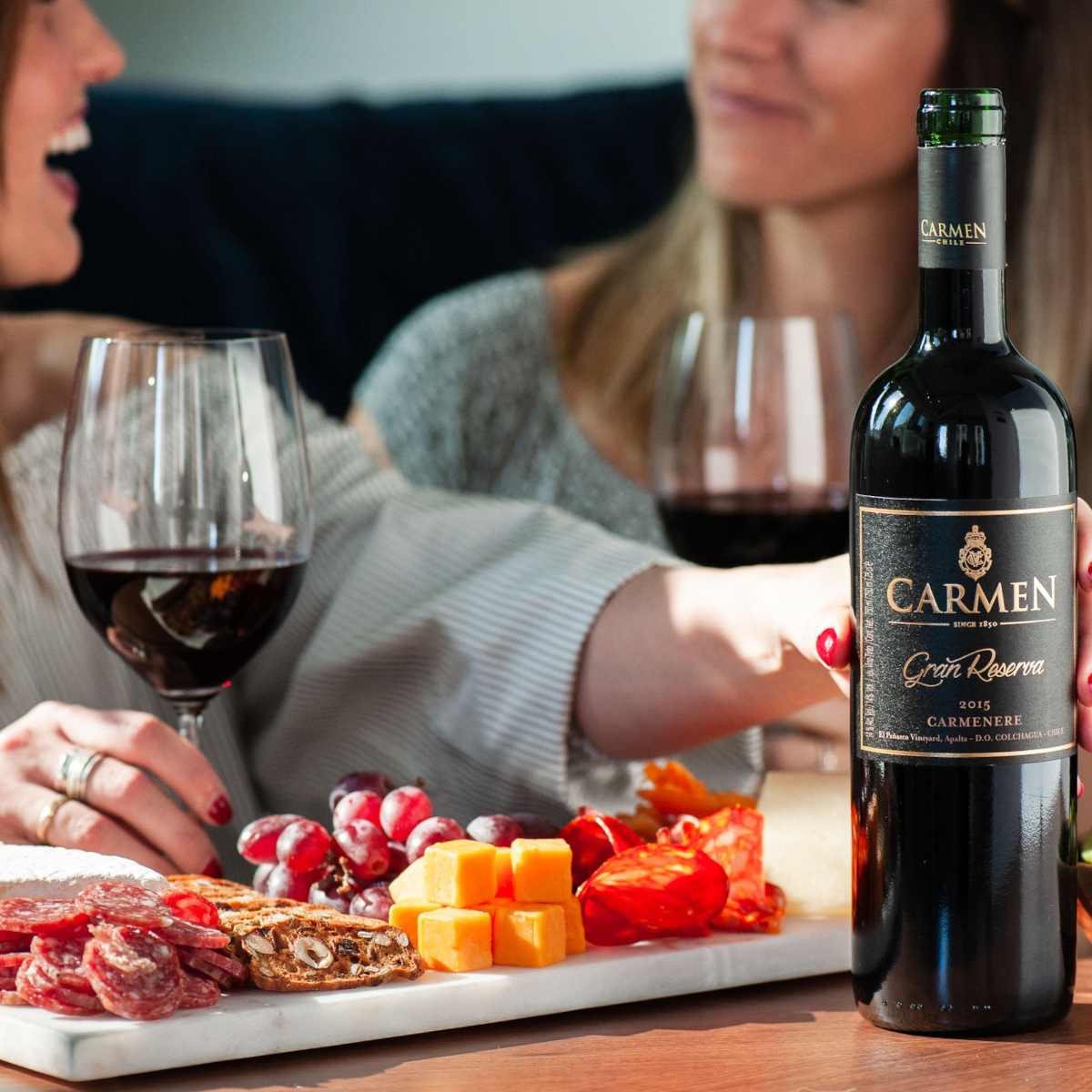
Viña Carmen was founded by Christian Lanz in 1850 and named in honor of his beloved wife. The winery now has more than 160 years of history marked by milestones and successes earned through its experience, enological heritage, and tireless search for quality and excellence.
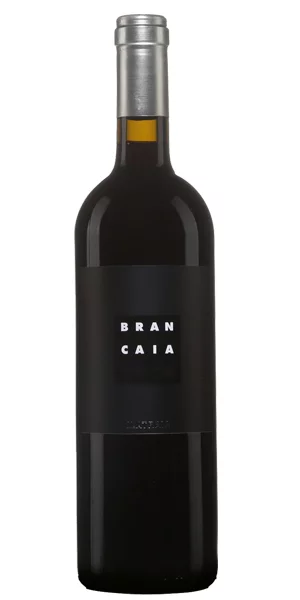
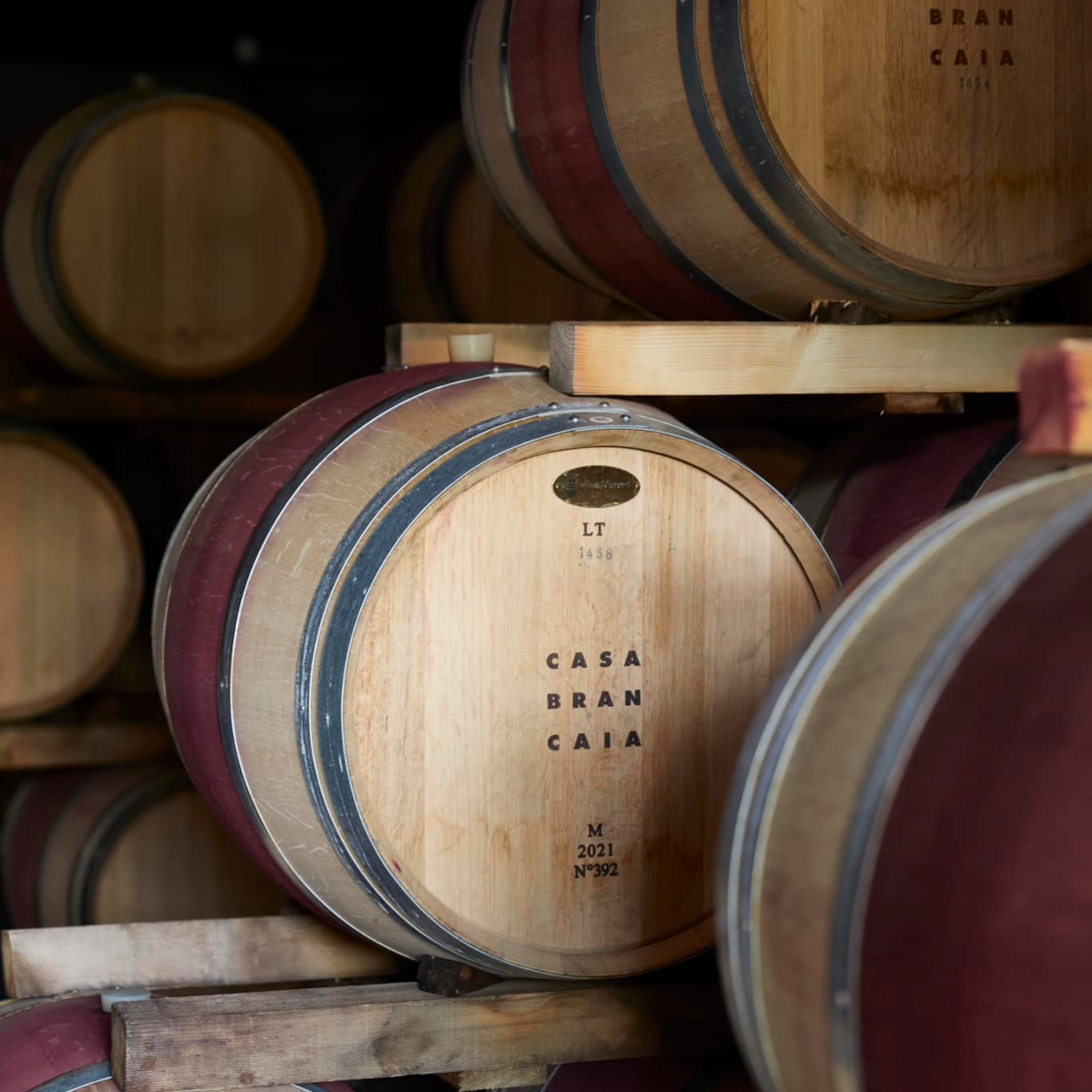
Purchased in 1981 by Swiss couple Brigitte and Bruno Widmer, the original estate sitting atop the Brancaia hill, it was initially a place for their family to visit on holiday. The 20 ha site sported a house in desperate need of renovations and 4 ha of vineyards; a well-protected plot surrounding by deep woods, free from any neighbouring vineyards that have been sprayed with chemicals.
After their Chianti Classico (1983) won a blind tasting in 1986, it wasn’t soon after that the Widmer’s bought 53 ha more, located in Radda. During that time, their famous Il Blu was produced- a blend of Sangiovese, Cabernet Sauvignon, and Merlot. This blend didn’t meet the requirements and/or guidelines to be classified as Chianti Classico and the Widmer family found themselves part of the Super Tuscan movement, a label eventually granted by the Italian government in 1992 known as: Toscana IGT.