New + Back in Stock: April 22, 2022
New products this week, plus best sellers that are back in stock:
Browse all of our new products
New products this week, plus best sellers that are back in stock:
Browse all of our new products
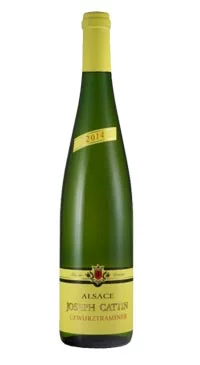
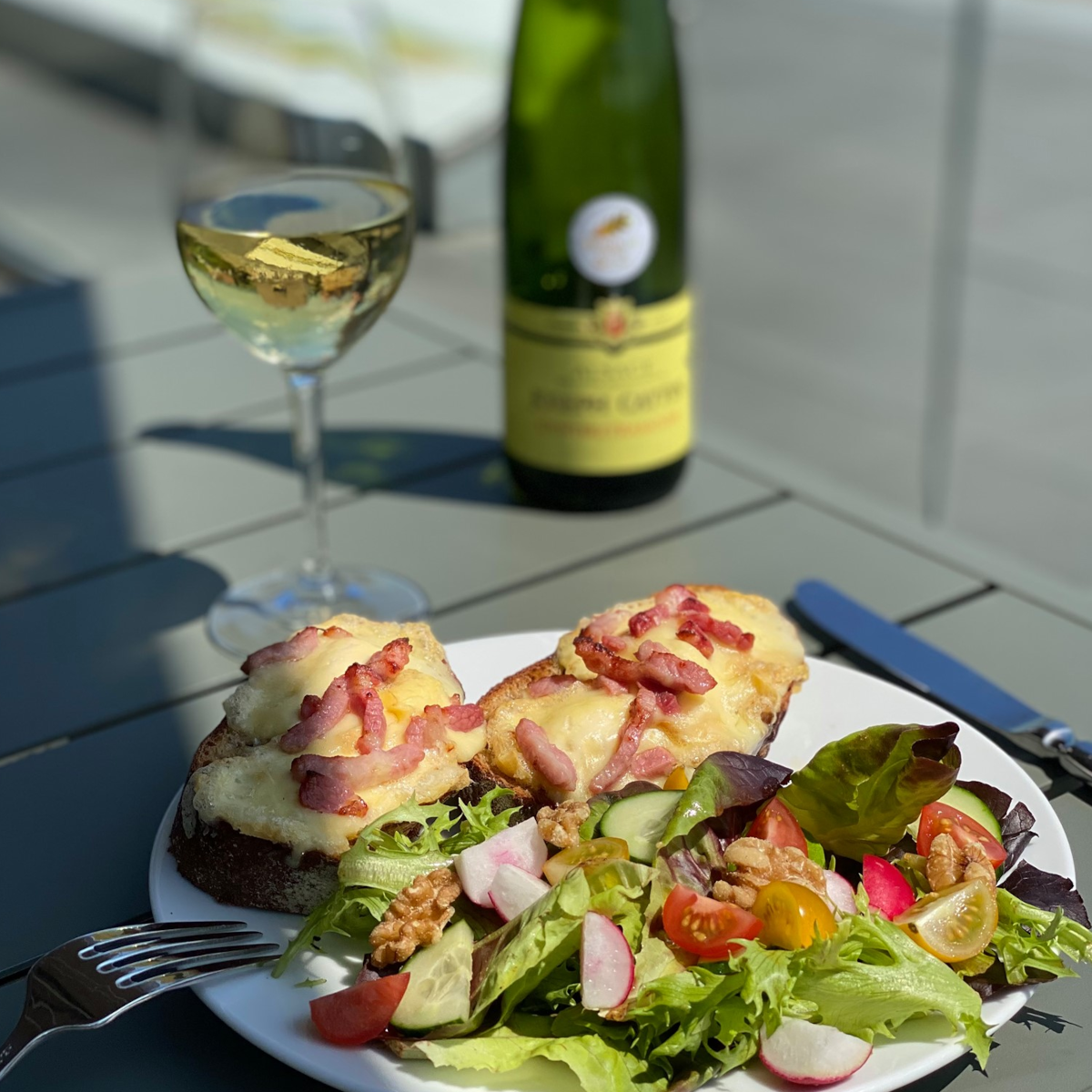
In the late 17th century, François Cattin, born in Porrentruy, Switzerland, came to settle in this small Alsatian village of Voegtlinshoffen located 10 kilometers south of Colmar. In 1720, François Cattin decided to become a winemaker in addition to his job as a builder. The next 11 generations continued his legacy and this is how the family business started! Around 1850, Antoine Cattin decided to focus exclusively on the profession of winemaking. He marked the beginning of specialization that was carried on by all his descendents. One of his sons, Joseph took over the family-owned Estate. At the end of the 19th century, the phylloxera plague seriously damaged Alsatian vineyards. Joseph Cattin dedicated his time fighting against this plague. He became one of the pioneers of the Alsatian viticulture by being rewarded with the diploma of « Vignoble modèle ». His brother, Théodore, established the restaurant La Cigogne in Paris. This place, renowned for its famous Alsatian gastronomy, was well frequented with the Parisian upper class as well as many foreign guests and became an excellent shop front to promote Joseph’s Alsatian wines. Hence the Joseph Cattin as a brand was born!
Today Joseph’s great great grandson, Jacques Cattin Junior, an engineer, agronomist and winemaker, and he and his wife Anaïs head the estate. They craft varietal wines that are pure expressions of the Alsatian style.
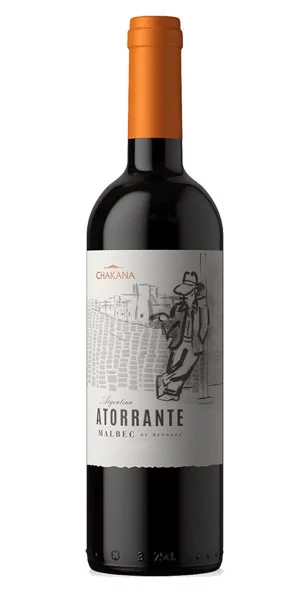
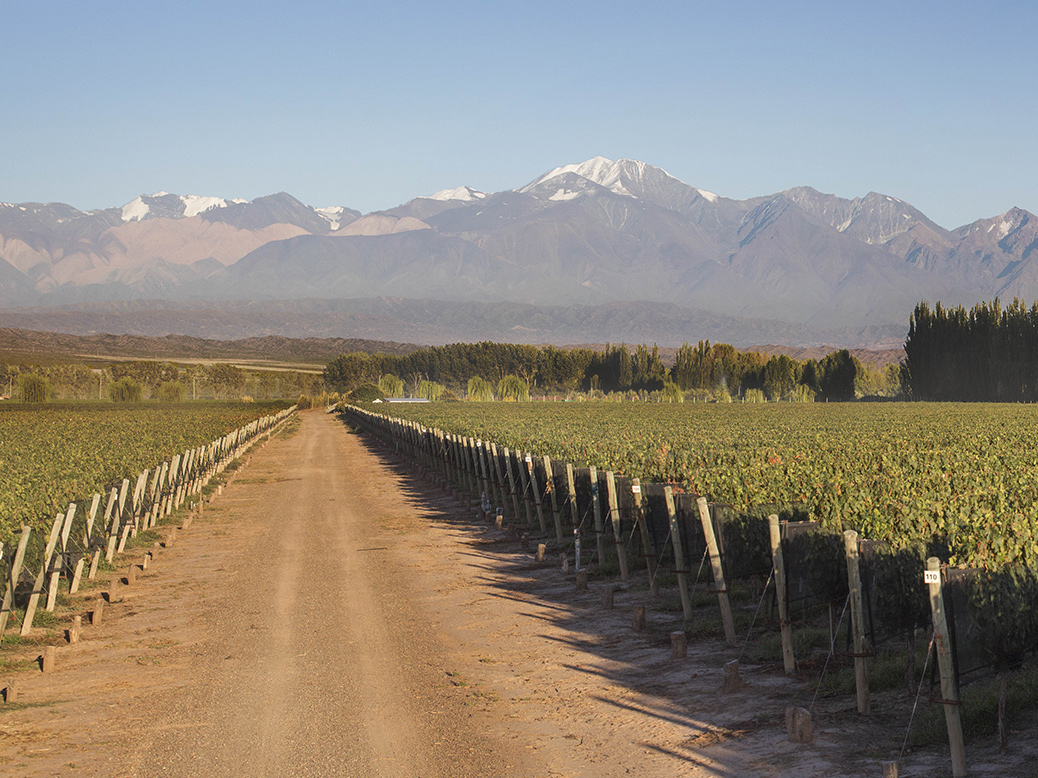
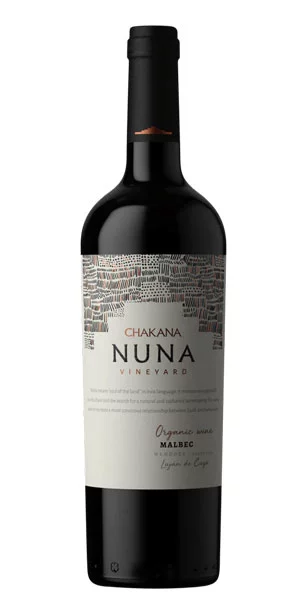
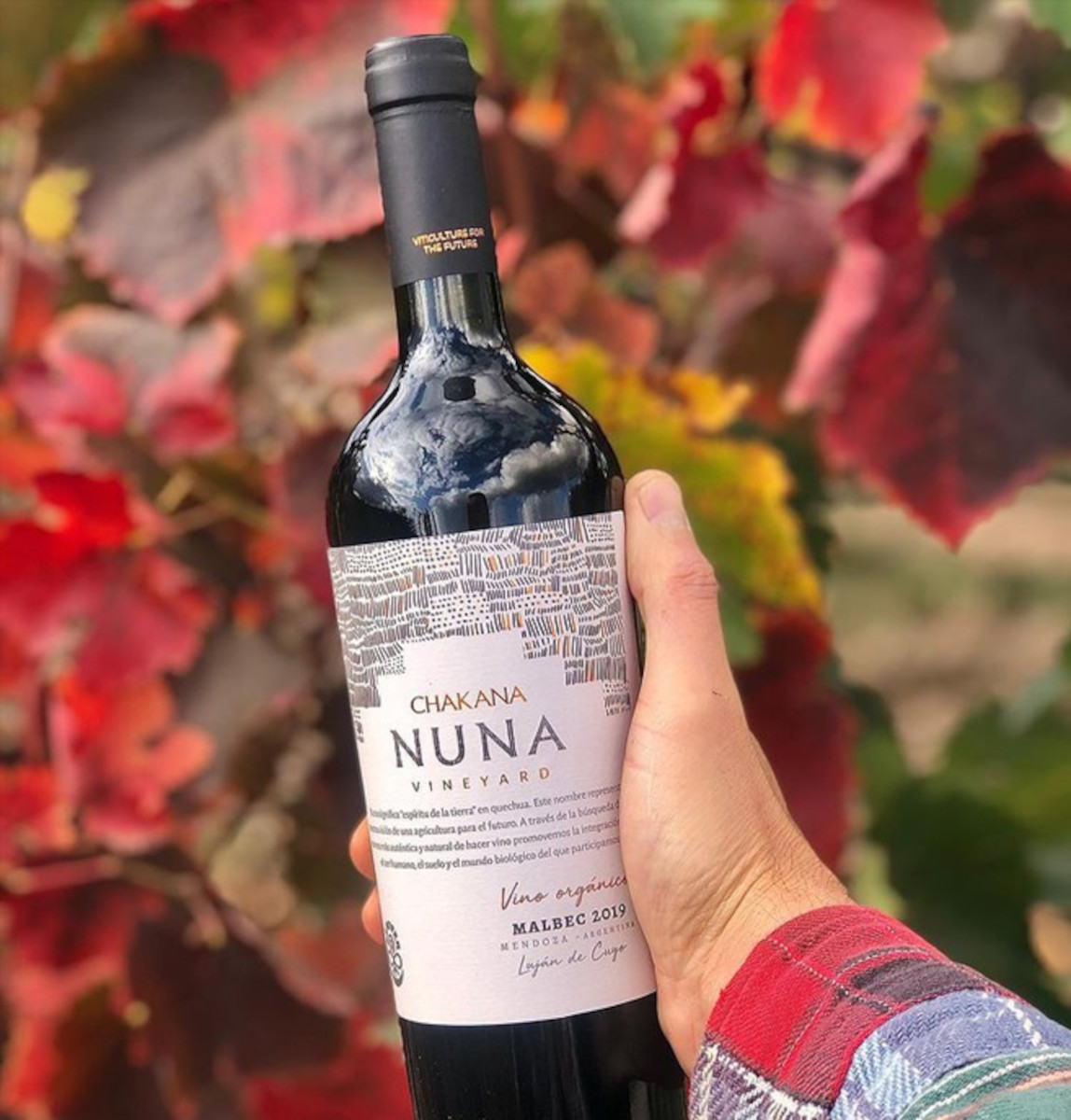
Chakana winery was founded by Juan Pelizzatti in 2002. Juan was driven by his passion for wine and the desire to invest his time and money into agriculture. Juan unknowingly founded the winery on the same day that Chakana was celebrated on the Andes highlands: that is, the day the Southern Cross (Chakana for the Inca people) becomes vertical in the night Andean sky. Juan’s wanted to introduce consumers abroad to the taste and culture of the Andes. He worked with Italian Wine consultant, Alberto Antonini (a key personage in the development of the Super-Tuscan movement in Italy) to realize his dream.
Wine is currently produced in four different levels at Chakana, by winemaker Gabriel Bloise who has over 20 years of experience in winemaking and is known for his expertise in creating premium Malbec wines. He works closely with the vineyard team to ensure that only the highest-quality grapes are used in the winemaking process, and uses a combination of traditional and modern techniques. The winemaking philosophy is one of minimal intervention that allows the purest expression of the place. Chakana operates with great respect for their local communityand endorses the fair trade standards of the international organization Fair For Life. They practice organic and biodynamic farming.
Chakana winery was founded by Juan Pelizzatti in 2002. Juan was driven by his passion for wine and the desire to invest his time and money into agriculture. Juan unknowingly founded the winery on the same day that Chakana was celebrated on the Andes highlands: that is, the day the Southern Cross (Chakana for the Inca people) becomes vertical in the night Andean sky. Juan’s wanted to introduce consumers abroad to the taste and culture of the Andes. He worked with Italian Wine consultant, Alberto Antonini (a key personage in the development of the Super-Tuscan movement in Italy) to realize his dream.
Wine is currently produced in four different levels at Chakana, by winemaker Gabriel Bloise who has over 20 years of experience in winemaking and is known for his expertise in creating premium Malbec wines. He works closely with the vineyard team to ensure that only the highest-quality grapes are used in the winemaking process, and uses a combination of traditional and modern techniques. The winemaking philosophy is one of minimal intervention that allows the purest expression of the place. Chakana operates with great respect for their local communityand endorses the fair trade standards of the international organization Fair For Life. They practice organic and biodynamic farming.
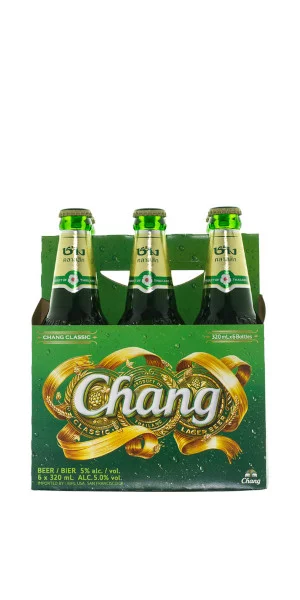
Launched in 1995 Chang Beer instantly became a Thailand favourite. Over the years it has become one of the most famous brands in Thailand and is globally recognized as a symbol of the land of smiles. Sourced, brewed and bottled in Thailand, it is the perfect companion to all things Thai, from beach football to the spicy dishes it compliments.
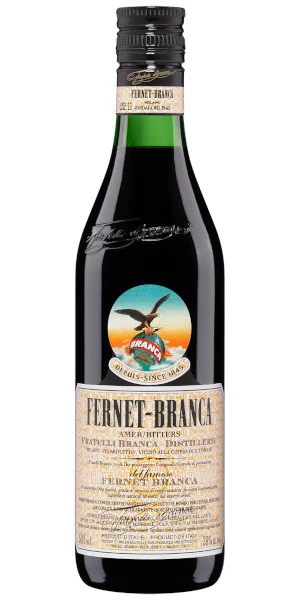
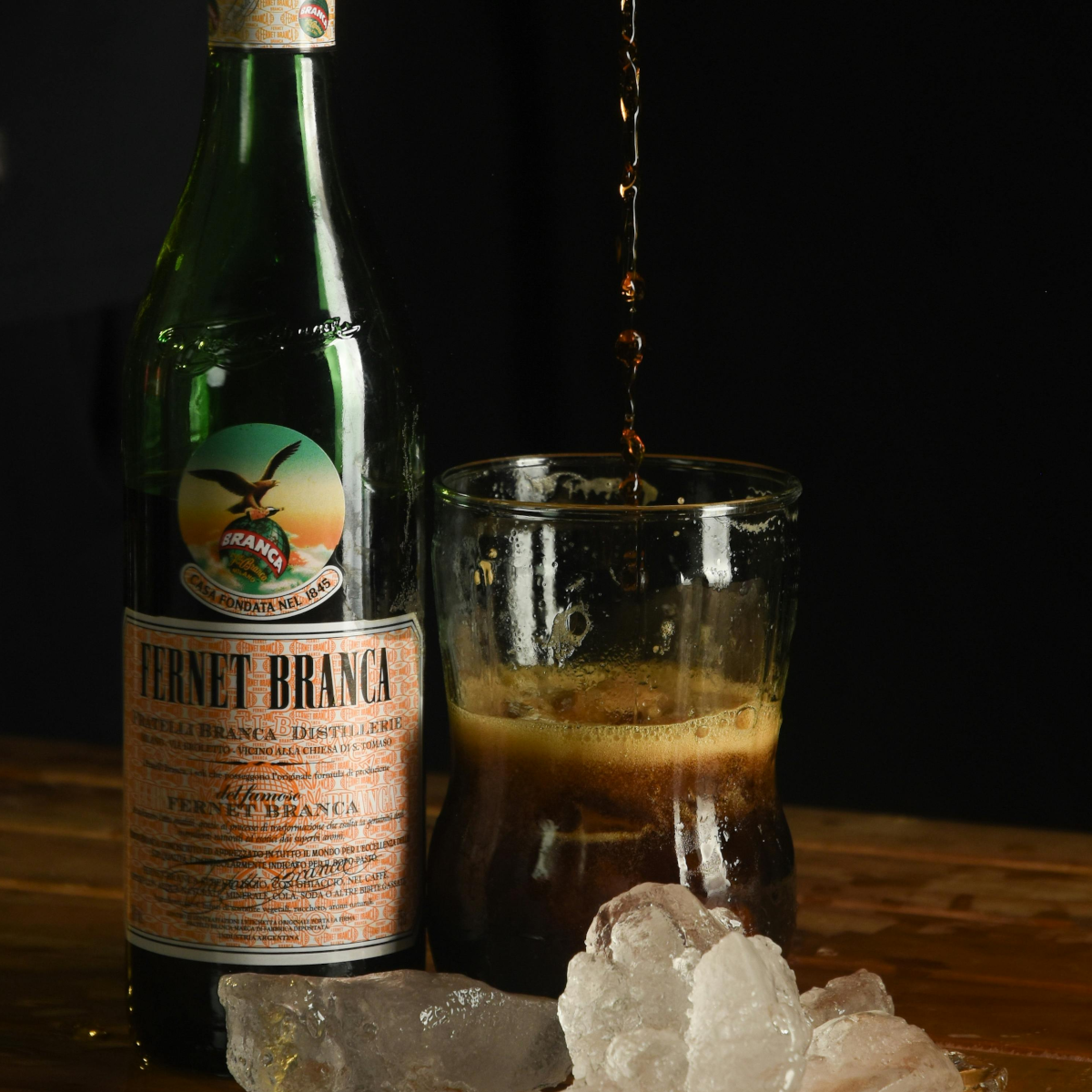
Fernet-Branca isn’t only a digestive bitter, it’s a true legend. It’s formula is one of the world’s best kept secrets, so tightly kept, that since its origin even those who collect the spices do not know the exact quantities needed.Today, the only custodian of the Fernet-Branca secret formula is the President, Niccolò Branca, who personally measures out the spices during the production process. Fernet-Branca was also notoriously able to evade prohibition by billing itself as a medicinal tonic rather than a recreational drink and this greatly helped to popularize the drink in America.
Despite the formula being held secret, it is common knowledge that the following ingredients provide the unique and distinct characters found in Fernet Branca chammomile, cinnamon, saffron, galangal and bitter orange.
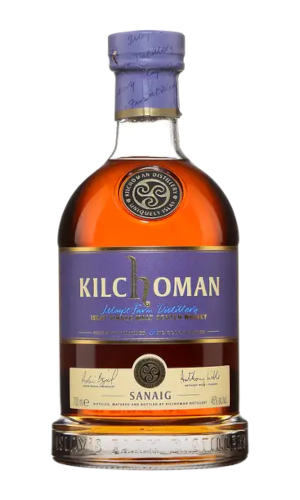
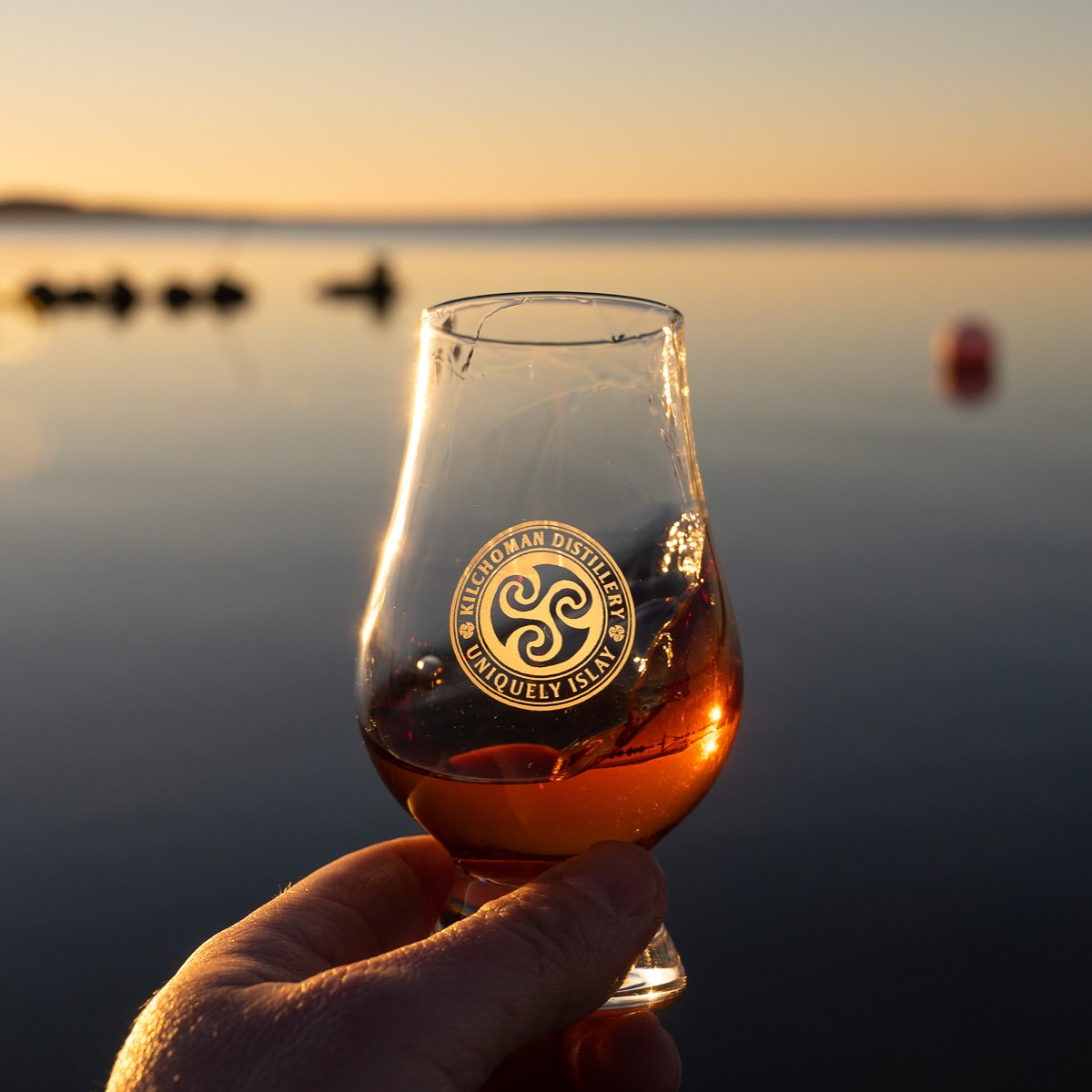
Anthony Wills founded the Kilchoman Distillery after decades learning the importance of blending, wood management, and cask selection as an independent bottler. Anthony dreamed of opening a distillery that paid homage to the rich history of Scottish farm distilling and offered a counterpoint to the industrial distilleries pumping out 10 million liters a year. In 2005, that dream was realized when the Kilchoman distillery finished its inaugural batch making it the first new distillery on Islay in over 120 years.
The picturesque Kilchoman Distillery sits nestled amongst the traditional buildings of Rockside Farm on the north-west coast of Islay. Famous as Islay’s Farm Distillery, their barley fields stretch west to the shores of Machir Bay and the Atlantic Ocean. Through their “barley to bottle” philosophy, this family-run project has built itself quite a following over the past 15 years.
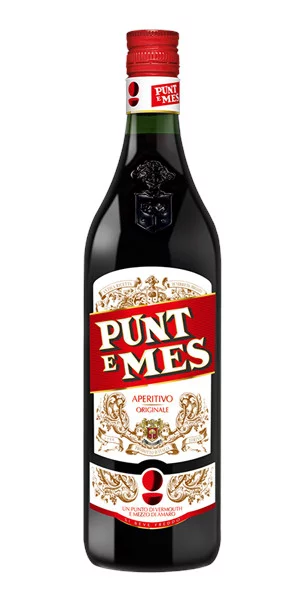
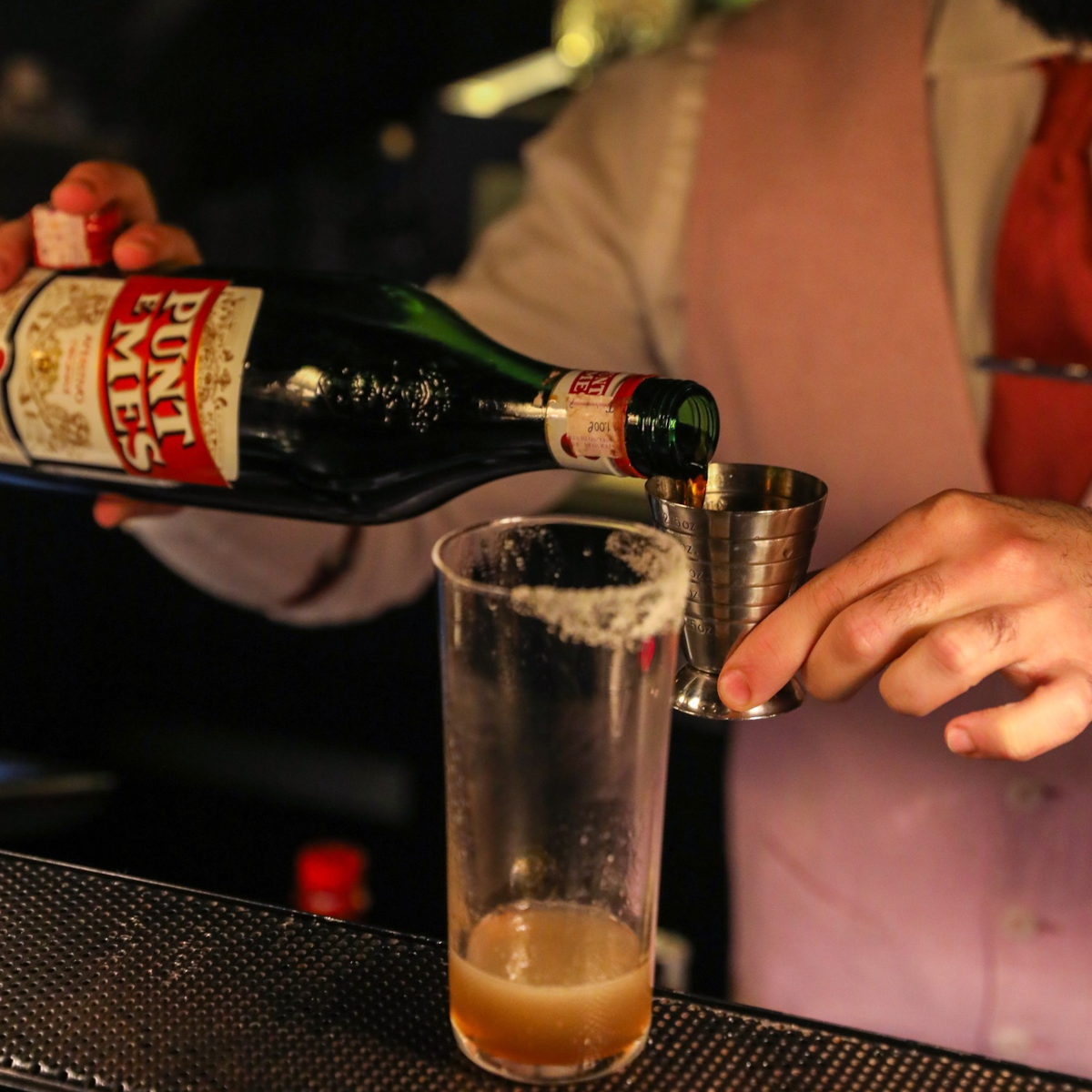
Pronounced “poont-eh-mess” in the Piemontese dialect, it means a point and a half. The story goes that on 19 April 1870 , a stockbroker, caught up in a discussion with colleagues whilst in the Carpano wine shop about the increase in share prices on that day – one and a half points – ordered his usual Carpano vermouth but asked for the barman to add half a measure of bitter, using the regional expression “Punt e Mes”. The drink immediately became popular as an aperitif before lunch, as recalled by the barman of the time Maurizio Boeris.
The bizzarre origin of this new name came into common use not long after, with “regulars” of the wine shop ordering Punt e Mes with a gesture.