New + Back in Stock: September 25, 2021
Missed out on last week’s products, find the New+ Back in Stock listings here:
Missed out on last week’s products, find the New+ Back in Stock listings here:
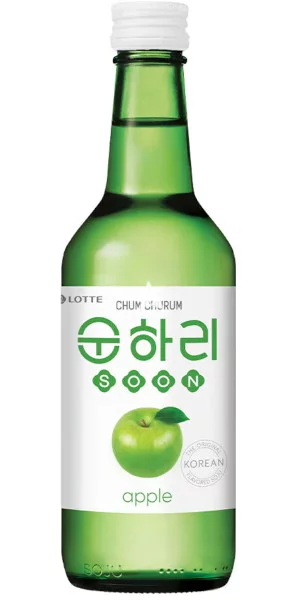
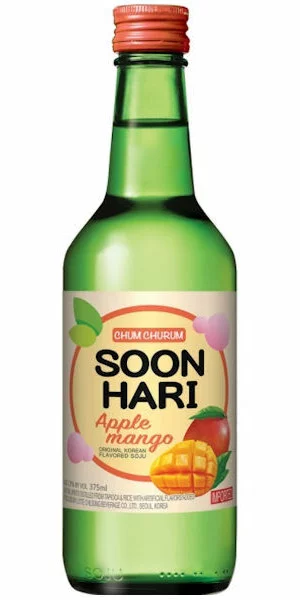
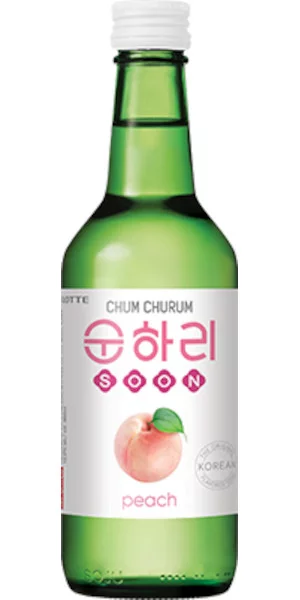
Soju is a very popular spirit sold in Korea that is traditionally made by distilling rice and other cereal grains. However, since the 1960s to alleviate rice shortages, most soju has been produced by diluting high strength neutral alcohol from distilled sweet potatoes or tapioca.
One of the most trendy brands in South Korea, Chum Churum (which translates as “like the first tme”) is popular because of the added alkaline water, higher sweetness, and relatively lower alcohol content. This smoother and softer profile has been extremely successful and is especially popular among younger drinkers in South Korea.
Soju is a very popular spirit sold in Korea that is traditionally made by distilling rice and other cereal grains. However, since the 1960s to alleviate rice shortages, most soju has been produced by diluting high strength neutral alcohol from distilled sweet potatoes or tapioca.
One of the most trendy brands in South Korea, Chum Churum (which translates as “like the first tme”) is popular because of the added alkaline water, higher sweetness, and relatively lower alcohol content. This smoother and softer profile has been extremely successful and is especially popular among younger drinkers in South Korea.
Soju is a very popular spirit sold in Korea that is traditionally made by distilling rice and other cereal grains. However, since the 1960s to alleviate rice shortages, most soju has been produced by diluting high strength neutral alcohol from distilled sweet potatoes or tapioca.
One of the most trendy brands in South Korea, Chum Churum (which translates as “like the first tme”) is popular because of the added alkaline water, higher sweetness, and relatively lower alcohol content. This smoother and softer profile has been extremely successful and is especially popular among younger drinkers in South Korea.
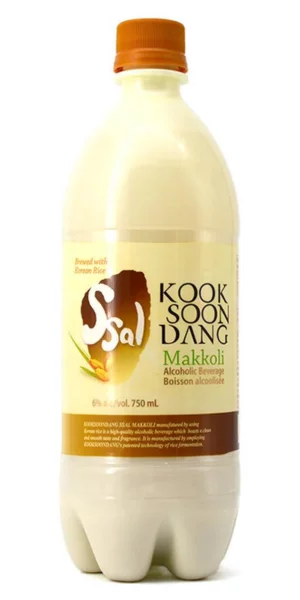
Makgeolli is an alcoholic drink made and mostly enjoyed in Korea. Made from a mixture of wheat and rice, is it sweet and milky with a clean and smooth taste. Classified and described as a ‘sparkling rice wine.’ Very traditional! Low alcohol (3%), serve chilled, and gently shake before drinking for better taste and richer flavor.
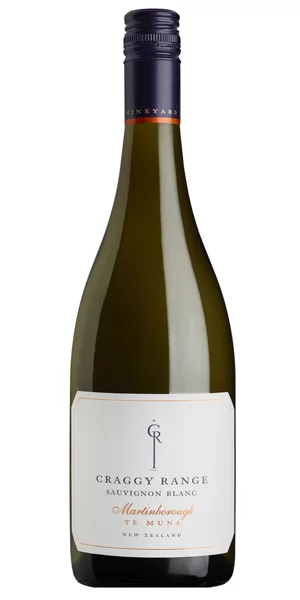
Founded by Terry and Mary Peabody in 1998, their journey into winemaking originally started in 1993 when they began looking for land to create a wine estate that could be passed down to future generations. Although they began looking in France and the United States, they eventually settled on New Zealand given its temperate maritime climate and (at the time) unrealized potential. Keeping to the North Island, the Peabodys setup vineyards on the Gimblett Gravels Wine Growing district, on Ngaruroro River, Hawkes Bay- ideal to produce high quality reds including Syrah, Merlot, and Cabernet Sauvignon, and in Te Muna Road in Martinborough, perfect for Pinot Noir and Sauvignon Blanc.
A proud member of Sustainable Winegrowing New Zealand (SWNZ), the winery has also begun the largest biodiversity project in the New Zealand wine industry; planting 150,000 native trees, plants, and around their Te Muna Road vineyards in Martinborough. With this project, they’re also focusing more on farming organically as well as investing in water storage to capture water during the winter months, when rivers flow at their peak. Craggy Range has started to incorporate organic practices in both the vineyard and the winery.
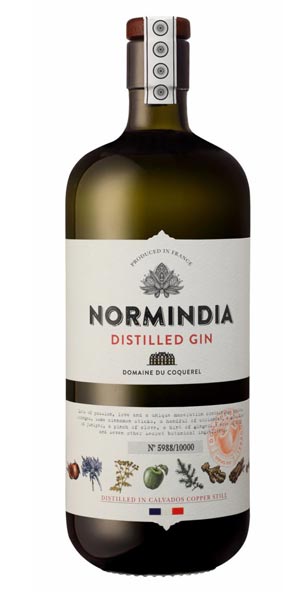
At the early part of the 20th century, after spending months discovering new flavors while travelling around India, Pierre, the third generation of Domaine du Coquerel family, returned to business school but couldn’t forget the unqiue flavours and experiences he had while travelling. After years of working in France and in the United States where he explored hundreds of different spirits he fell in love with the versatile canvas that is gin.
He later joined the family distillery producing Calvados, Pommeau and Cidre but he was still thinking about the exotic flavours of his travels and his desire to produce a gin. In 1937 the family began developing their own signature gin and found inspiration in an old family book dated from 1765 called “La Chymie du Goût et de l’Odorat” containing a recipe for a juniper distillate which was loved by Louis XV – King of France. By fusing the experiences from his travels with his family’s rich history in distilling, Pierre had created a truly one of a kind gin: Normindia.