New + Back in Stock: October 9, 2021
Missed out on last week’s products, find the New+ Back in Stock listings here:
Missed out on last week’s products, find the New+ Back in Stock listings here:
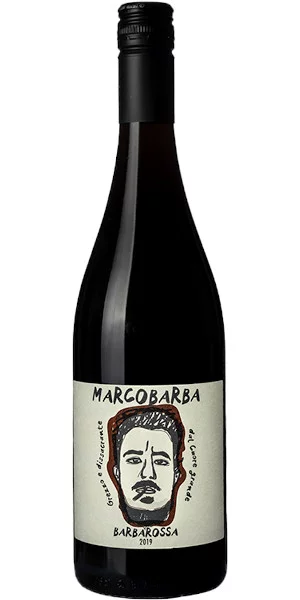
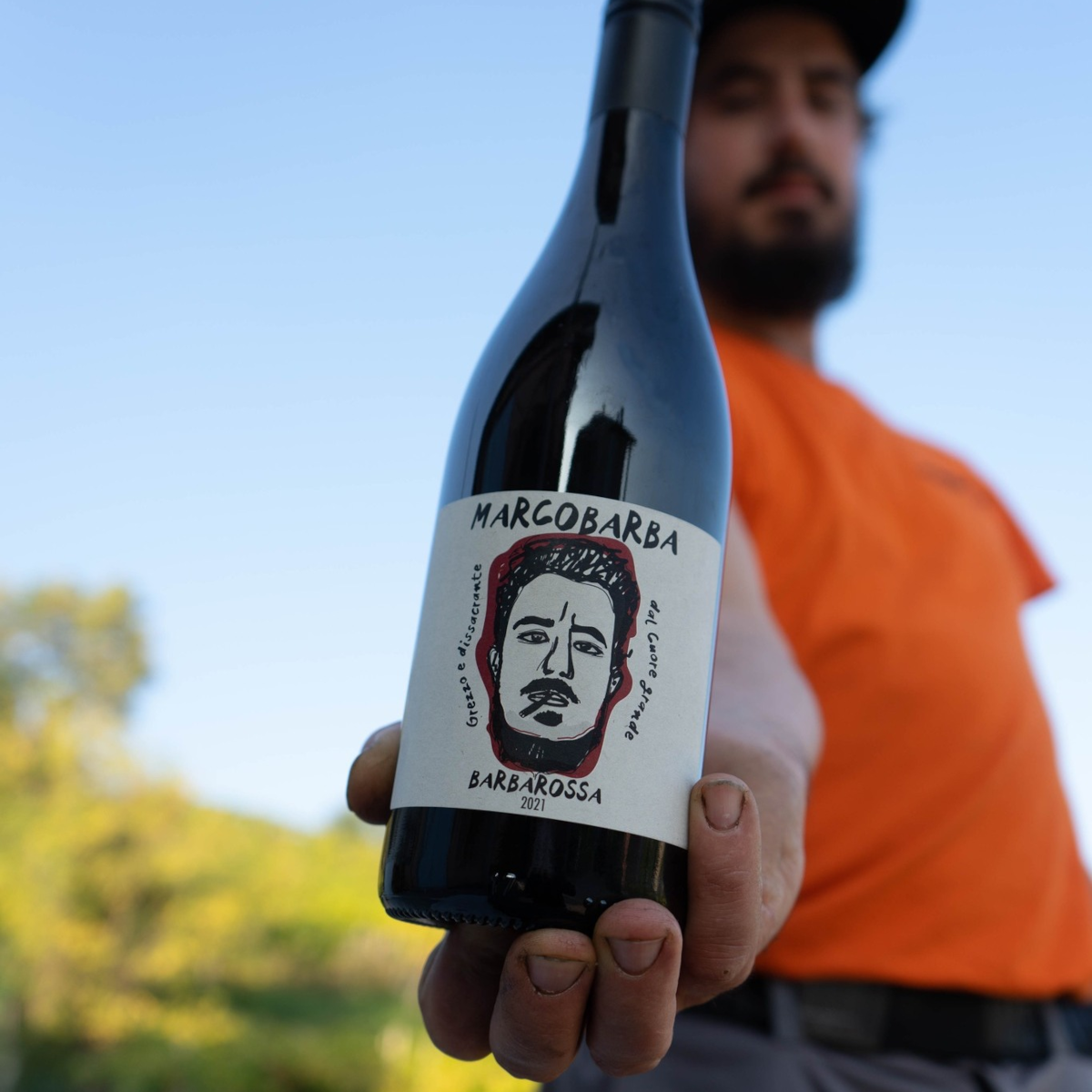
Marco “Barba”, grew up in Madonna di Lonigo, near Vicenza. He is the heart (and the face, if you check the label closely) of the Marcobarba project. Marco took an interest in organic and biodynamic farming from an early age. “Marcobarba” started as a social project carried on by Marco and friends he met working with another Venetian natural winemaker, Stefano Menti. Today the “Barbaboyz” take care of small plots of abandoned vineyards owned by some elderly widows, between the white sedimentary terrains of the Berici Hills and the dark and volcanic soils of Gambellara. From the grapes they grow with biodynamic practices, Marco produces about 40,000 bottles a year: a fizzy white wine, a still white and a red wine. Marco and the Barbaboyz’ winemaking and bottling is done in the Menti Giovanni Winery.
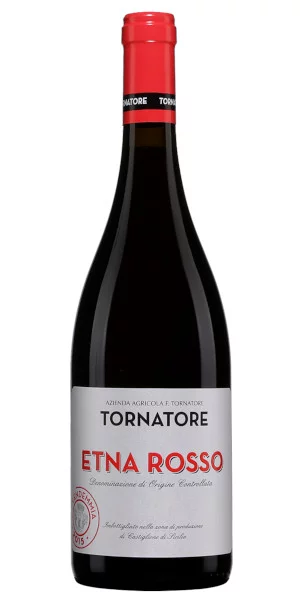
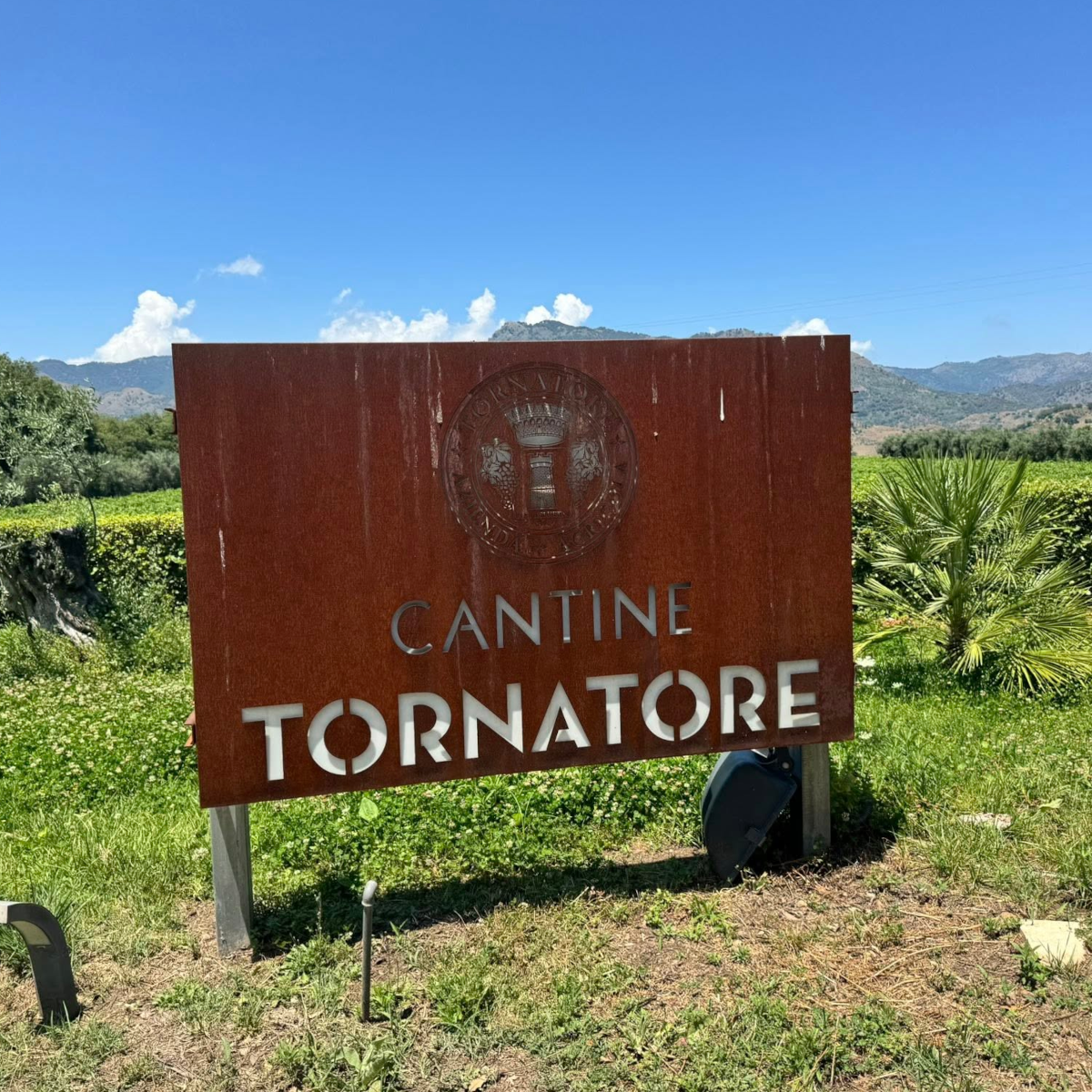
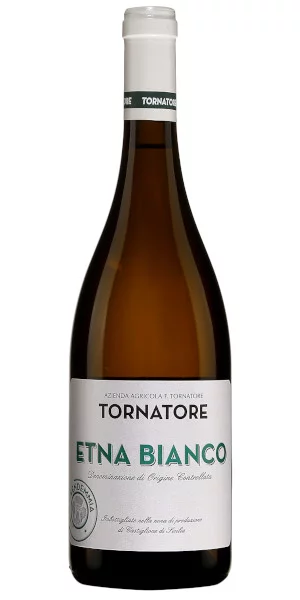
A rising star in the Etna region, Tornatore is becoming one of the region’s biggest and most respected wineries. Their vineyards are located at an altitude of 1,000 meters above sea level on the north side of this active volcano.
Out of a Sicilian family heritage that traces back to the 17th century, the Tornatore’s Mount Etna wine ventures began in 1865. Today the family’s operations are headed by Giuseppe Tornatore, a businessman whose expertise led to the acquisition of some of the region’s finest north-facing vineyards in the early 2000’s. That heritage and the Tornatore’s profound respect and understanding of the land is showcased in wines that capture the essence of Etna, deftly balancing concentrated flavors, complexity, freshness and refinement.
The company lies in the northern side of Mount Etna, the highest active volcano in Europe. The soils have volcanic origin and were created through the disintegration of lava, ash and stones from previous volcanic eruptions. The climate on the northern side of the Etna is characterized by mild temperatures, and more rain fall reflecting the influence of the Volcano. The combination of soil, climate and the skill of the winemakers, have made the northern slope of Etna an ideal area for the production of high-quality wines. “Our vineyards and our winery are only a few kilometers from our family home. Our entire family is rooted there. We have the greatest respect for this region, and we believe we have a responsibility to be stewards of Etna and to reflect its distinct character in our wines.” – Giuseppe Tornatore
A rising star in the Etna region, Tornatore is becoming one of the region’s biggest and most respected wineries. Their vineyards are located at an altitude of 1,000 meters above sea level on the north side of this active volcano.
Out of a Sicilian family heritage that traces back to the 17th century, the Tornatore’s Mount Etna wine ventures began in 1865. Today the family’s operations are headed by Giuseppe Tornatore, a businessman whose expertise led to the acquisition of some of the region’s finest north-facing vineyards in the early 2000’s. That heritage and the Tornatore’s profound respect and understanding of the land is showcased in wines that capture the essence of Etna, deftly balancing concentrated flavors, complexity, freshness and refinement.
The company lies in the northern side of Mount Etna, the highest active volcano in Europe. The soils have volcanic origin and were created through the disintegration of lava, ash and stones from previous volcanic eruptions. The climate on the northern side of the Etna is characterized by mild temperatures, and more rain fall reflecting the influence of the Volcano. The combination of soil, climate and the skill of the winemakers, have made the northern slope of Etna an ideal area for the production of high-quality wines. “Our vineyards and our winery are only a few kilometers from our family home. Our entire family is rooted there. We have the greatest respect for this region, and we believe we have a responsibility to be stewards of Etna and to reflect its distinct character in our wines.” – Giuseppe Tornatore
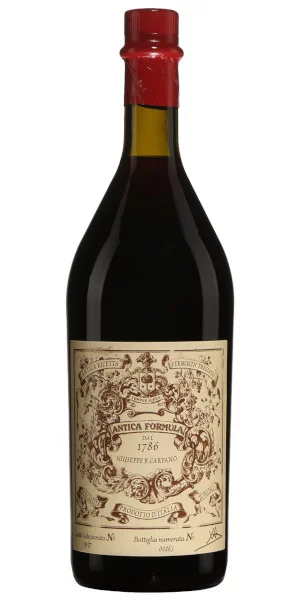
Carpano Antica Formula is the gold standard for sweet vermouth. Antica Formula is a recreation of Antonio Benedetto Carpano’s recipe from 1786 and uses only the highest quality ingredients. Each hand-blown and individually-numbered bottle looks just as good as it tastes. This vermouth will change the way you think about vermouth as a beverage.
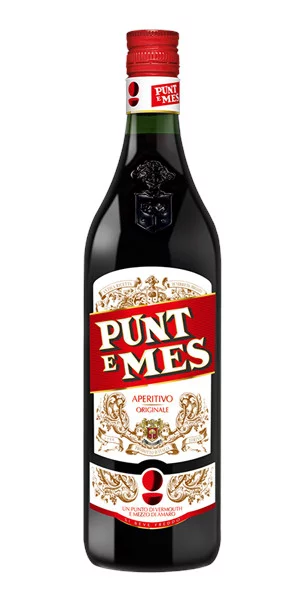
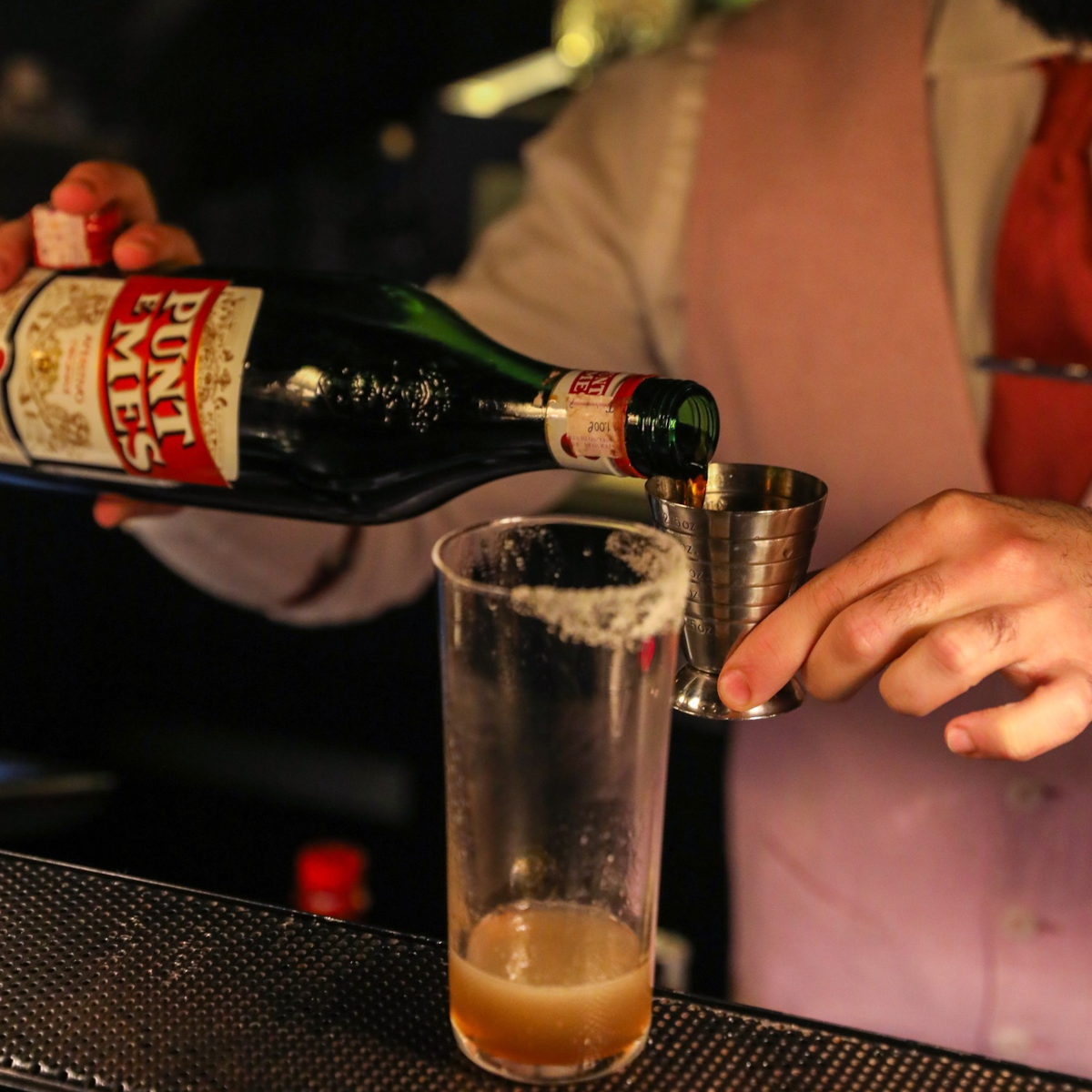
Pronounced “poont-eh-mess” in the Piemontese dialect, it means a point and a half. The story goes that on 19 April 1870 , a stockbroker, caught up in a discussion with colleagues whilst in the Carpano wine shop about the increase in share prices on that day – one and a half points – ordered his usual Carpano vermouth but asked for the barman to add half a measure of bitter, using the regional expression “Punt e Mes”. The drink immediately became popular as an aperitif before lunch, as recalled by the barman of the time Maurizio Boeris.
The bizzarre origin of this new name came into common use not long after, with “regulars” of the wine shop ordering Punt e Mes with a gesture.
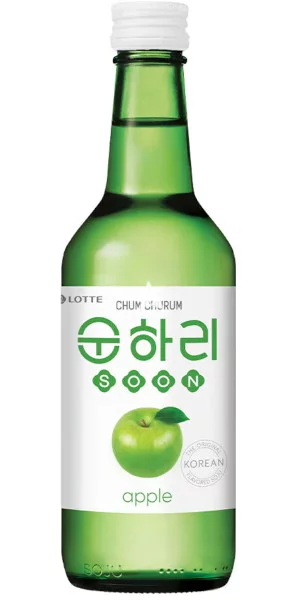
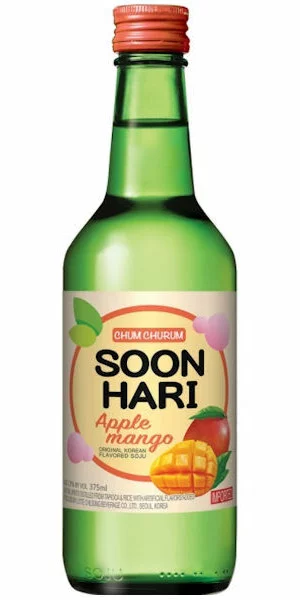
Soju is a very popular spirit sold in Korea that is traditionally made by distilling rice and other cereal grains. However, since the 1960s to alleviate rice shortages, most soju has been produced by diluting high strength neutral alcohol from distilled sweet potatoes or tapioca.
One of the most trendy brands in South Korea, Chum Churum (which translates as “like the first tme”) is popular because of the added alkaline water, higher sweetness, and relatively lower alcohol content. This smoother and softer profile has been extremely successful and is especially popular among younger drinkers in South Korea.
Soju is a very popular spirit sold in Korea that is traditionally made by distilling rice and other cereal grains. However, since the 1960s to alleviate rice shortages, most soju has been produced by diluting high strength neutral alcohol from distilled sweet potatoes or tapioca.
One of the most trendy brands in South Korea, Chum Churum (which translates as “like the first tme”) is popular because of the added alkaline water, higher sweetness, and relatively lower alcohol content. This smoother and softer profile has been extremely successful and is especially popular among younger drinkers in South Korea.