New + Back in Stock: November 27, 2021
New products this week, plus best sellers that are back in stock
Missed out on last week’s products, find them here:
November 20, 2021
New products this week, plus best sellers that are back in stock
Missed out on last week’s products, find them here:
November 20, 2021
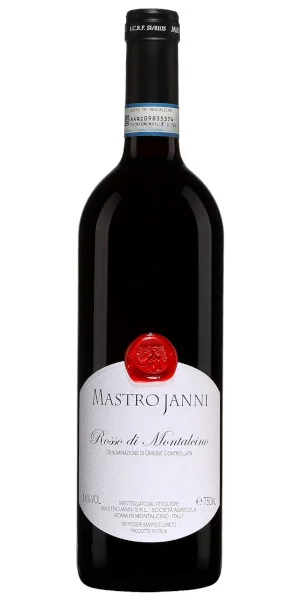
Historically the land of Montalcino was poorly populated and hardly cultivated; it was a land of sheep farmers. It was here in 1975 that lawyer, Gabriele Mastrojanni bought the San Pio and Loreto estates and decided to plant his first vineyards, of which part are still producing Mastrojanni wines today. In the early years, only a few entered the wine-making adventure in Montalcino. Today, thanks to an exceptional terroir and the pioneers who believed in its winemaking potential for decades, Mastrojanni finds itself amongst the most respected Montalcino producers. It is here that the singular Sangiovese Grosso grape is at its best. Today Andrea Machetti is the head of the estate and works alongside winemaker Maurizio Castelli. They oversee all production processes and take a minimal interventionist approach in their winemaking; striving to showcase the Montalcino terroir as it is best expressed through the Sangiovese Grosso grape.
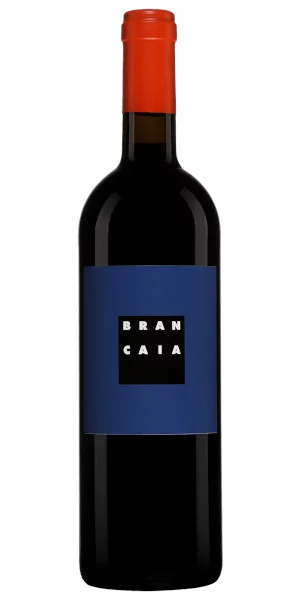
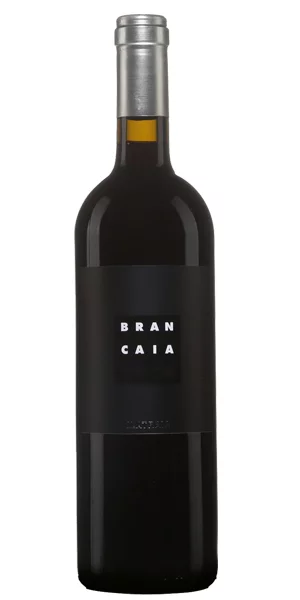
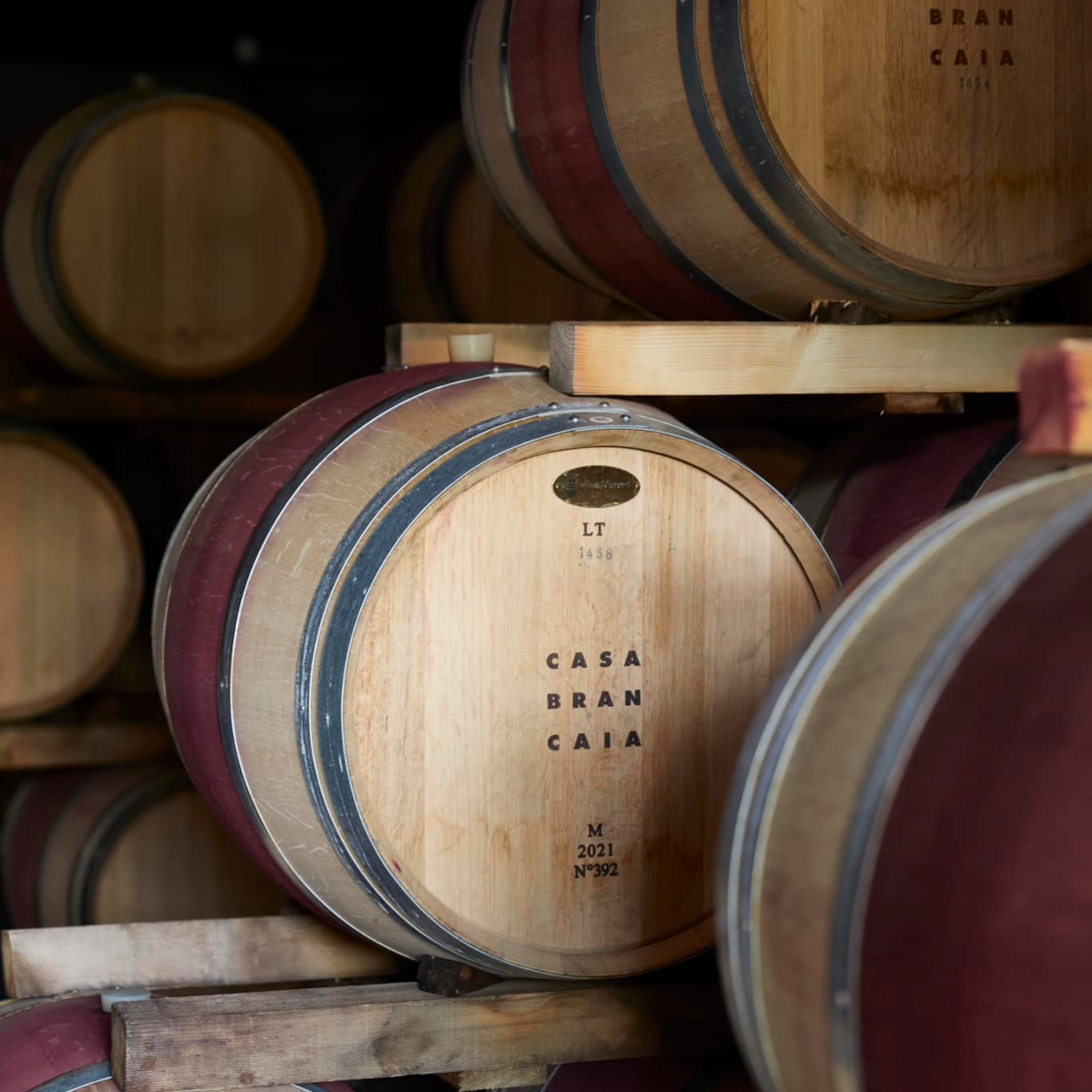
Purchased in 1981 by Swiss couple Brigitte and Bruno Widmer, the original estate sitting atop the Brancaia hill, it was initially a place for their family to visit on holiday. The 20 ha site sported a house in desperate need of renovations and 4 ha of vineyards; a well-protected plot surrounding by deep woods, free from any neighbouring vineyards that have been sprayed with chemicals.
After their Chianti Classico (1983) won a blind tasting in 1986, it wasn’t soon after that the Widmer’s bought 53 ha more, located in Radda. During that time, their famous Il Blu was produced- a blend of Sangiovese, Cabernet Sauvignon, and Merlot. This blend didn’t meet the requirements and/or guidelines to be classified as Chianti Classico and the Widmer family found themselves part of the Super Tuscan movement, a label eventually granted by the Italian government in 1992 known as: Toscana IGT.
Purchased in 1981 by Swiss couple Brigitte and Bruno Widmer, the original estate sitting atop the Brancaia hill, it was initially a place for their family to visit on holiday. The 20 ha site sported a house in desperate need of renovations and 4 ha of vineyards; a well-protected plot surrounding by deep woods, free from any neighbouring vineyards that have been sprayed with chemicals.
After their Chianti Classico (1983) won a blind tasting in 1986, it wasn’t soon after that the Widmer’s bought 53 ha more, located in Radda. During that time, their famous Il Blu was produced- a blend of Sangiovese, Cabernet Sauvignon, and Merlot. This blend didn’t meet the requirements and/or guidelines to be classified as Chianti Classico and the Widmer family found themselves part of the Super Tuscan movement, a label eventually granted by the Italian government in 1992 known as: Toscana IGT.
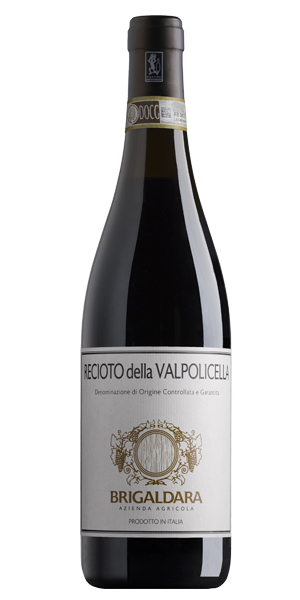
Purchased by Renzo Cesari in 1928, his passion was viticulture. That passion stretched across generations when the winery changed hands; it was passed down to his grandson Stefano, who built a relationship with Roberto Ferrarini- former oenologist and professor of oenology at University of Verona, considered by many as one of the most important innovators in the history of Amarone and Valpolicella.
Stefano, former President of the Valpolicella Region Growers Association, dedicated his time during his presidency to improving Valpolicella through low yields, improved viticultural practices, careful clone selection, and modern winemaking techniques. His focus is on farming traditional grapes of Valpolicella Classico DOC, while emphasizing high-quality Corvina over Rondinella and Molinara, on his 47 ha (120 ha in total, the rest mainly consisting of olive groves, crops, pastures, and woods) of estate vineyards near the village of San Floriano- the heart of the region.
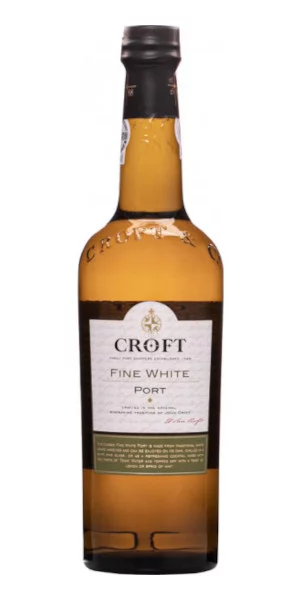
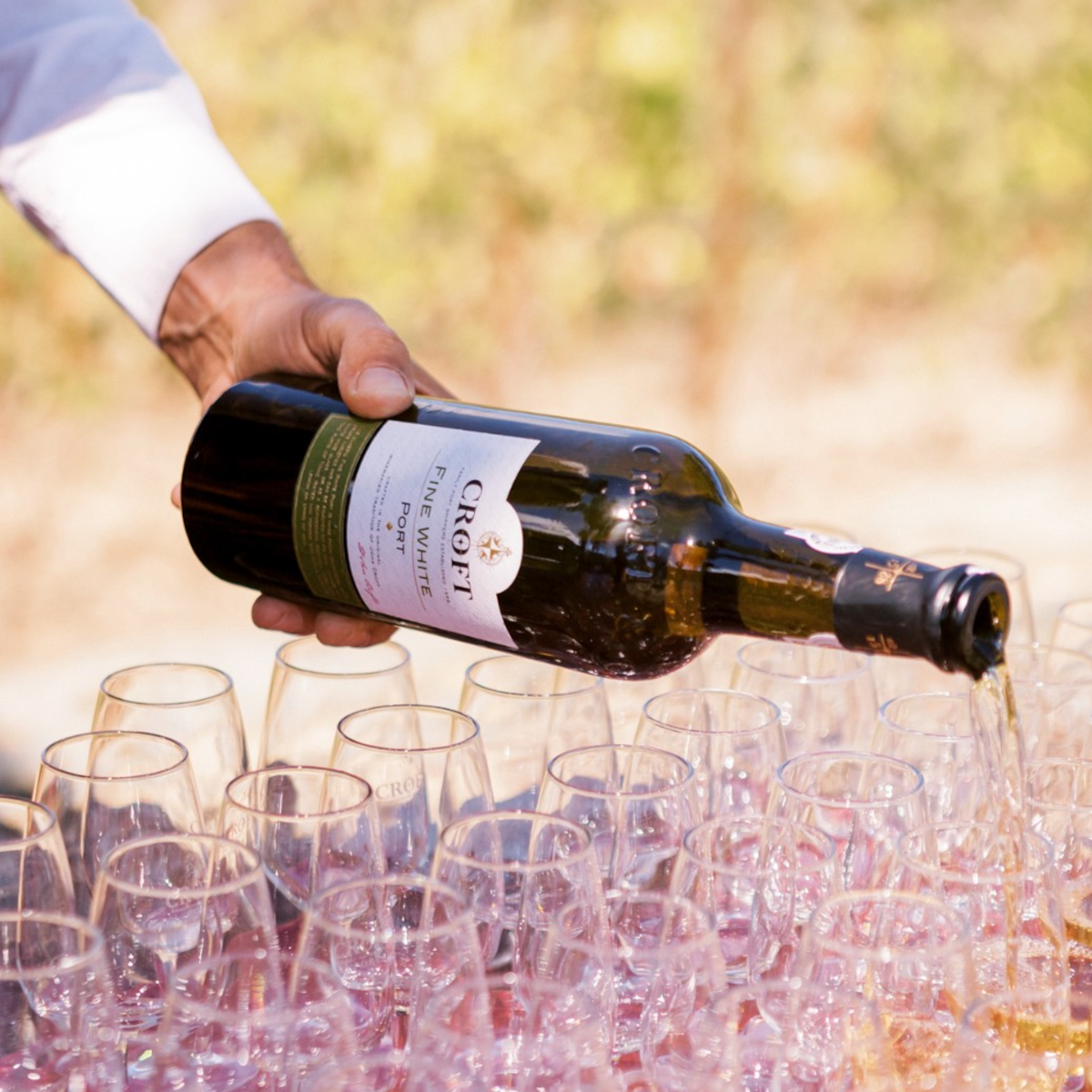
Croft is one of the most distinguished of all Port houses. Founded in 1588, it is the oldest firm still active today as a Port wine producer. The company is a family run winery renowned above all for its Vintage Ports as well as for its range of wood aged reserves and tawnies, time-honoured styles refined by skill and experience passed down through the generations.
In spite of its rich heritage and history spanning over four centuries, Croft has never been constrained by tradition. Behind every great wine producer is a great vineyard. The cornerstone of Croft’s distinctive house style is the famous Quinta da Roêda, described as the jewel of Port wine estates. The wines of this magnificent property, which contains some of the oldest vineyards in the Douro Valley, are the heart of Croft’s Vintage Port blend.
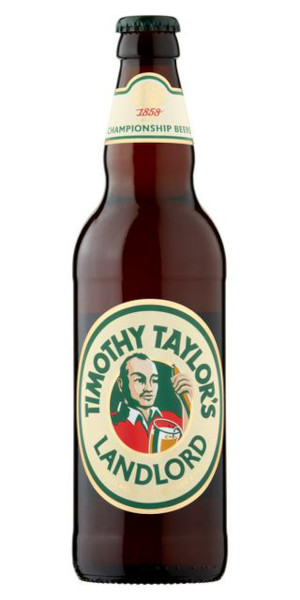
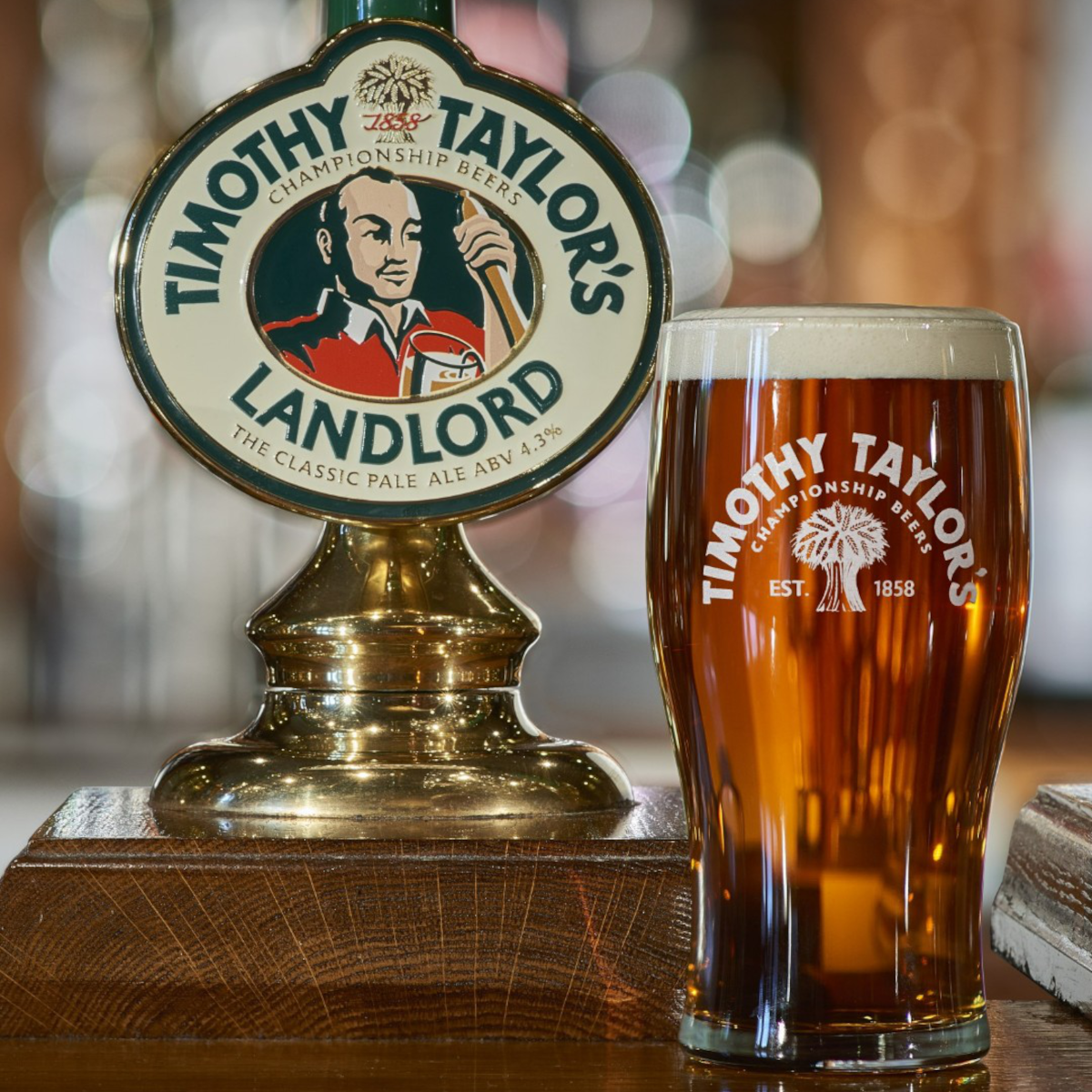
In 1858, Timothy Taylor established his brewery in the center of Keighley and only 5 years later moved to today’s brewing site in The Knowle Spring where he was able to tap into the best natural resource he could have asked for: the naturally soft and very pure Knowle Spring water.
One fundamental principle stands above all at Timothy Taylor: “Do not accept the second best.” Following these words, only the best possible ingredients are used to brew, which may be a little more complex and more expensive, but at the end of the day well worth it!
The Timothy Taylor brewery has become one of the most iconic, tenured, and quality brewers of traditional beer in the UK.
Luxardo is a family-owned company founded in Zara, a port city on the Dalmatian coast of what is now Croatia. Girolamo Luxardo, a Genovese businessman, and his wife, Maria Canevari, moved to Zara in 1817. It was Maria who began perfecting “rosolio maraschino,” a liqueur produced in Dalmatian convents since medieval times from special maraschino cherries. In 1913, Michelangelo Luxardo built the most modern and massive distillery in the Austro-Hungarian Empire, but it was destroyed in World War II by Anglo-American bombings. Only one member of the fourth generation, Giorgio Luxardo, survived the World War II invasion and fled to Italy. Escaping with only a cherry sapling, Giorgio crossed the Adriatic Sea to the Veneto region of northeast Italy and reconnected with a colleague who had saved the Luxardo recipe book. Armed with the surviving tools and a desire to reestablish his family’s legacy, Giorgio chose the small Veneto city of Torreglia to rebuild the distillery in 1946. At this new home, Luxardo restored its extensive product line of Italian liqueurs and continued to export the products to markets around the world. Luxardo continues to produce Maraschino to Maria Canevari’s original recipe, as it was written down in 1821. Today, Luxardo is operated by Franco Luxardo of the family’s fifth generation, along with members of the sixth.
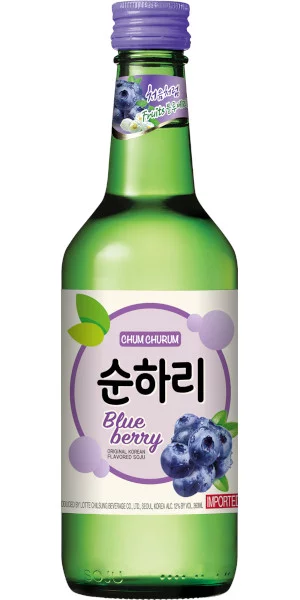
Soju is a very popular spirit sold in Korea that is traditionally made by distilling rice and other cereal grains. However, since the 1960s to alleviate rice shortages, most soju has been produced by diluting high strength neutral alcohol from distilled sweet potatoes or tapioca.
One of the most trendy brands in South Korea, Chum Churum (which translates as “like the first time”) is popular because of the added alkaline water, higher sweetness, and relatively lower alcohol content. This smoother and softer profile has been extremely successful and is especially popular among younger drinkers in South Korea.