New + Back in Stock: June 23rd, 2023
Wine. Spirits. Beer. Cider. RTD. Whatever you prefer, we always have something interesting for you to discover.
Browse our NEW products this week, plus best sellers that are back in stock:
Wine. Spirits. Beer. Cider. RTD. Whatever you prefer, we always have something interesting for you to discover.
Browse our NEW products this week, plus best sellers that are back in stock:

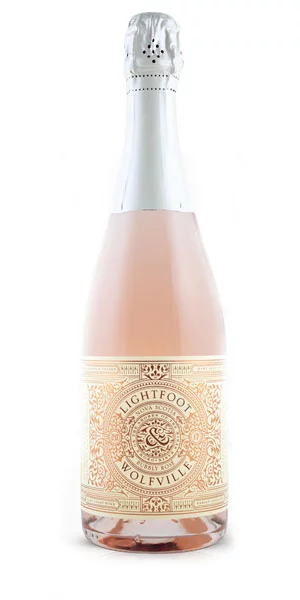
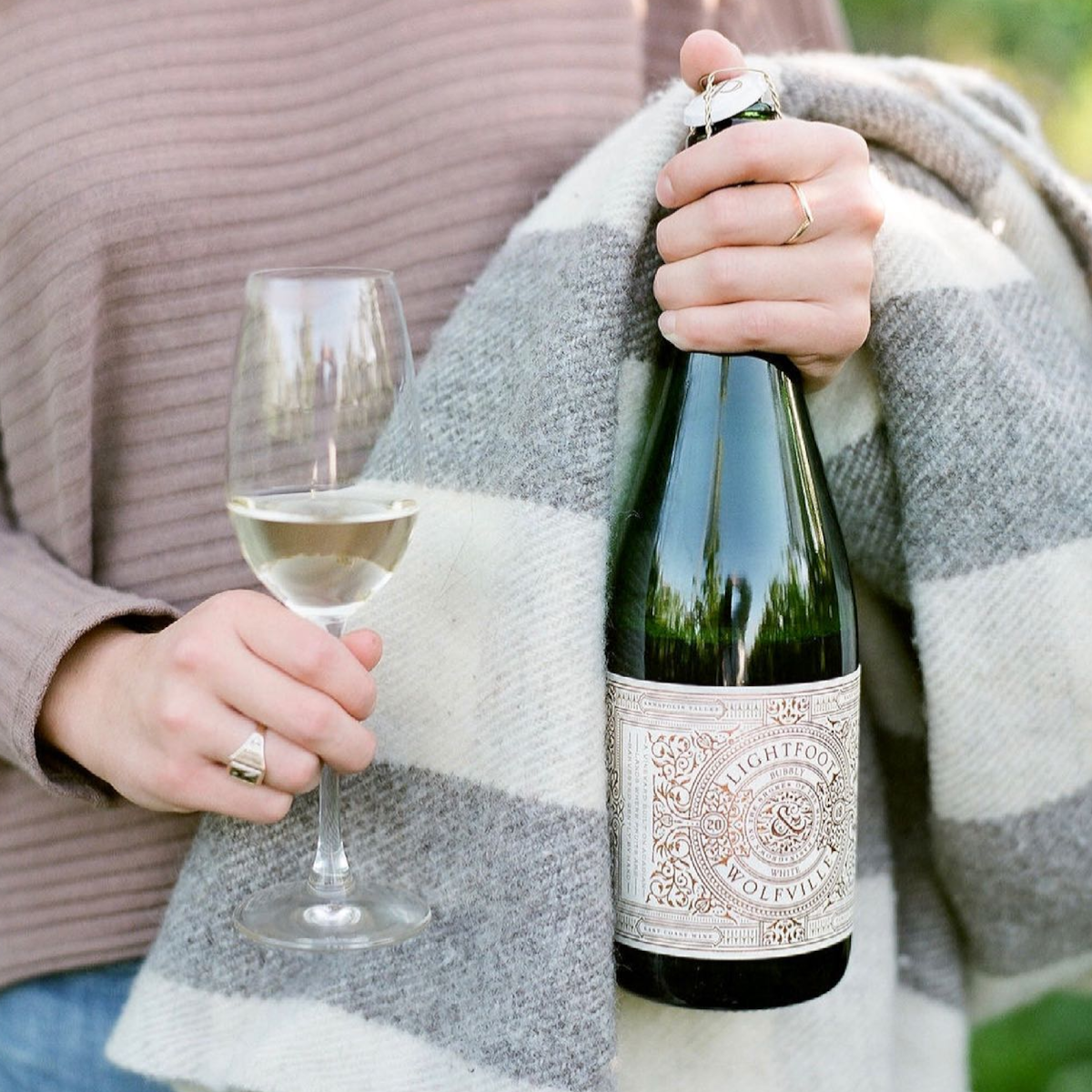
Lightfoot & Wolfville is owned and operated by the Lightfoot family who have been farming in the Annapolis Valley for eight generations. Lightfoot & Wolfville brings a light touch and enlightened approach to both the agricultural and artisanal aspects of viticulture and winemaking. They work in harmony with nature and letting the land offer up its innate best, without subjecting it to aggressive inputs. The winery is located on the home farm site, this land has been in Michael’s family for four generations.
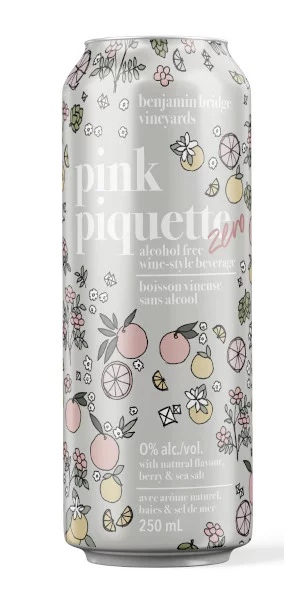
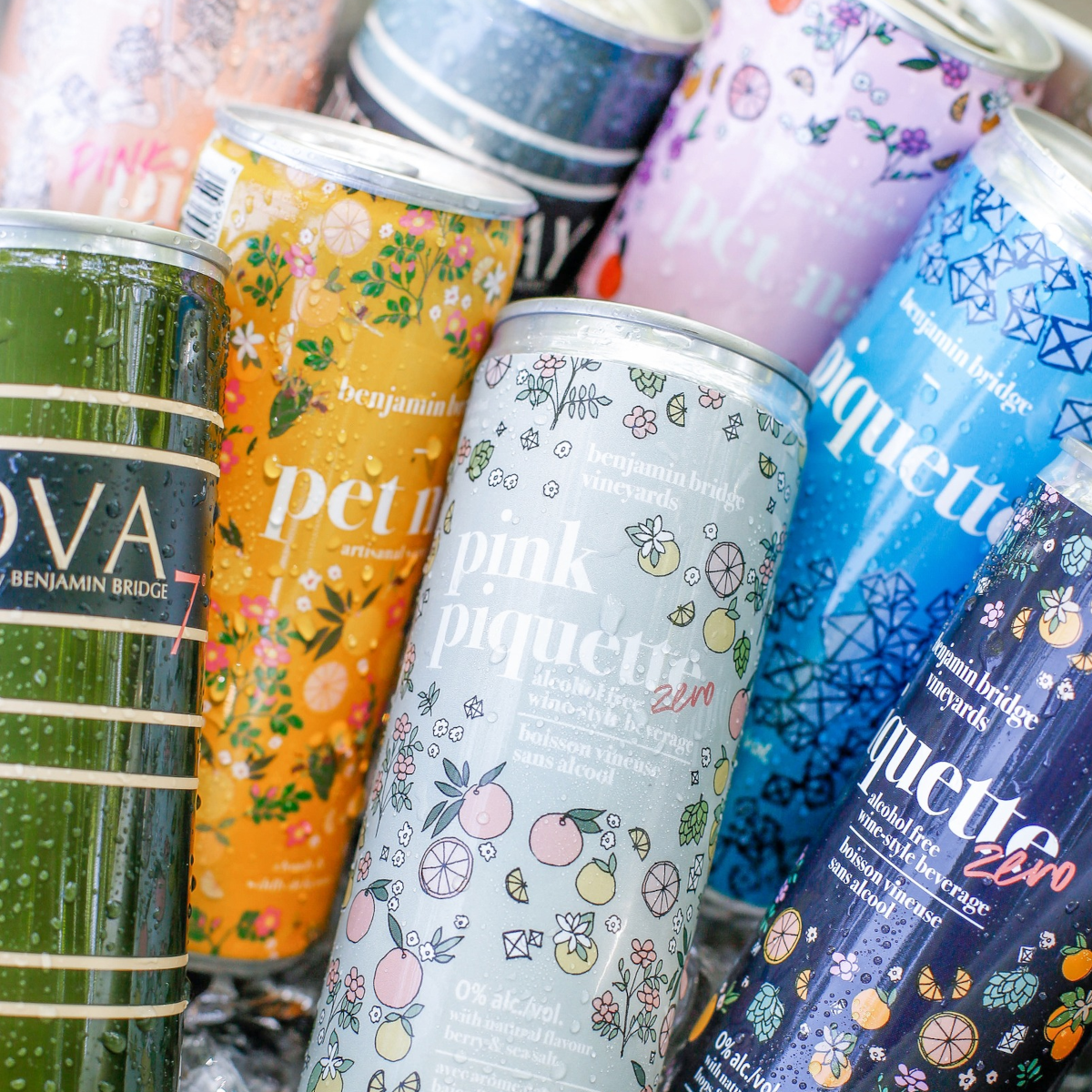
Benjamin Bridge vineyards are located in the heart of the Gaspereau Valley on the Bay of Fundy, where the cool climate bears an uncanny affinity with the Champagne region of France. The estate makes a range of wines;sparkling, white, red, rose, dry and sweet. Though the focus is on making world-class Méthode Classique sparkling wines that have been compared in tastings to Champagne. The hand crafted wines of Benjamin Bridge have helped raise the profile of the Nova Scotian wine industry.
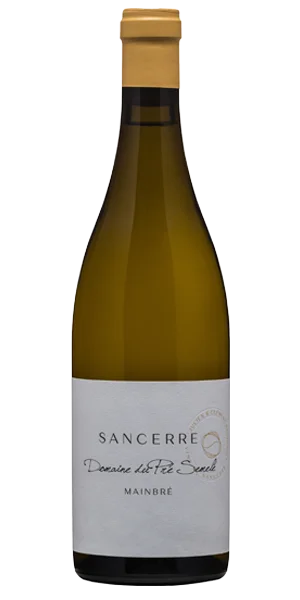
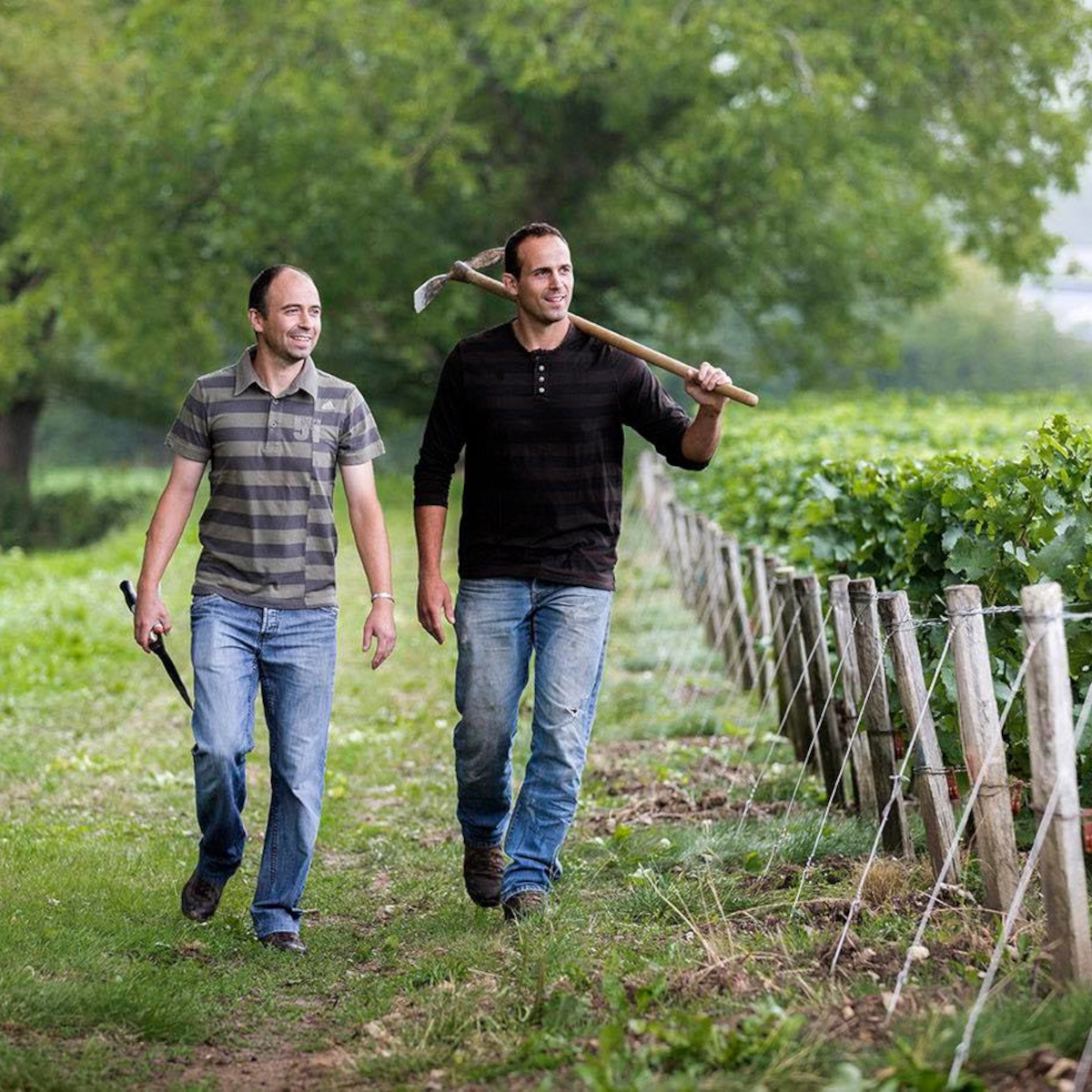
Domaine du Pré Semelé is located in a tiny valley a few miles northwest of the hilltop town of Sancerre. Three generations of the family Raimbault have grown grapes and made wine. Grandfather Maurice worked the vineyards, 3ha, with his brother Camille. Maurice’s sons Claude and Rémy followed suit in 1988 expanding the holdings to 12ha. In 2001 Rémy’s son Julien stepped in as vigneron and the three created a new name, Domaine du Pré Semelé (pronounced pray sem-ill-ay, it is the name of the plot of land on which the winery sits.) Claude retired in 2009 and Remy’s son Clément became the winemaker. Rémy still helps out at the domaine, but it is the new generation that is taking the estate and its wines to the next level . Today Julien and Clément manage the 18 hectares of vines across 45 different parcels, three quarters Sauvignon Blanc and the rest Pinot Noir. Their farming practices are “lutte raisonée” though most would call their methods practicing organic, or non certified organic. He uses no insecticides or pesticides in the vineyards. 90% of the vineyard rows are grassed to encourage a natural and healthy environment for the vines.
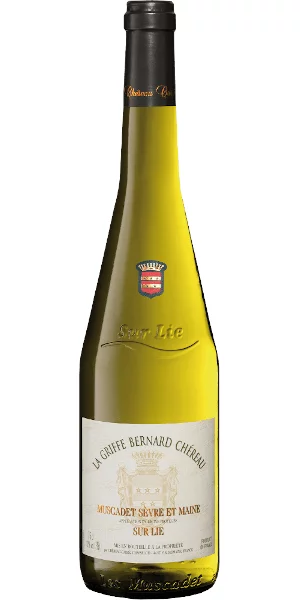
Chéreau-Carré is one of the leading Muscadet producers with substantial family owned vineyards in some of the best locations in the region. Their vineyard area totals 135 hectares of the highest quality soil, making them one of the largest producers of Muscadet. The wide variety of ‘terroirs’ available within the estate enables Bernard Chéreau to offer a comprehensive selection of styles.
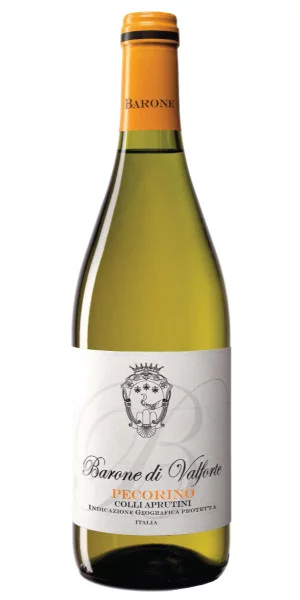
The vineyards of Tenute Barone di Valforte have belonged to the Sorrrichio family since the 14th century; today, their estate encompasses 300 ha- 52 of which are dedicated to vineyards, in the Abruzzo region. Their focus has been cultivating grapes indigenous to the region- Montepulciano d’Abruzzo, Trebbiano, Pecorino, and Passerina. With this, the winery has also made sustainable practices a focal point, implementing processes in accordance with what they refer to as an ‘organic agricultural system.’
Barone di Valforte is currently managed by brothers Francesco, Guido, and Guido’s daughter Annamaria. Nestled in between Gran Sasso and the Mariella mountains, these three have taken it upon themselves to keep up the rich tradition of their land and family’s heritage.
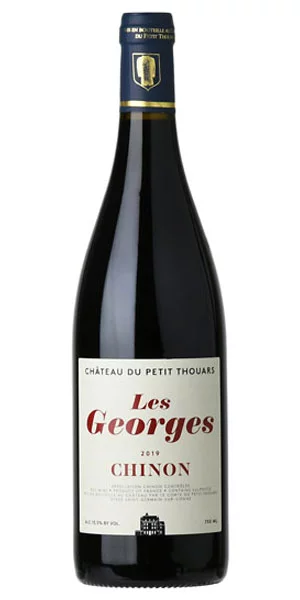
Chateau du Petit Thouars is a family run estate nestled in corridors of natural limestone caves in the Chinon appellation of the Loire Valley. The property was deeded to the family by Cardinal Richelieu in 1636 and vineyards that surround the farm house were planted in 1975. Today the 150 hectare estate is run by Sebastien du Petit Thouars (12th generation to dwell here since his ancestor George purchased the property in 1636) and his wife d’Arcy.
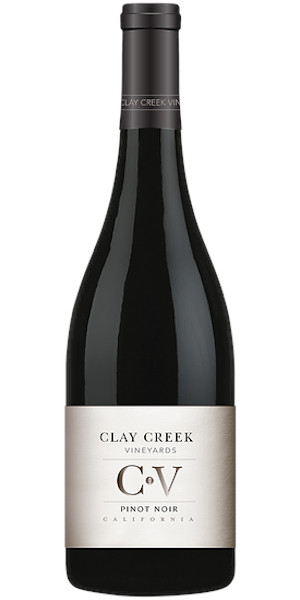
Clay Creek Vineyards is part of a family-owned winery who has been growing grapes since 1924. Sustainable farming practices are central to the family’s firmly held belief that they are responsible for tending the earth using environmentally sensitive farming techniques. Their wines are made with grapes from some fine California vineyards and are bottled at their family sustainable winery.
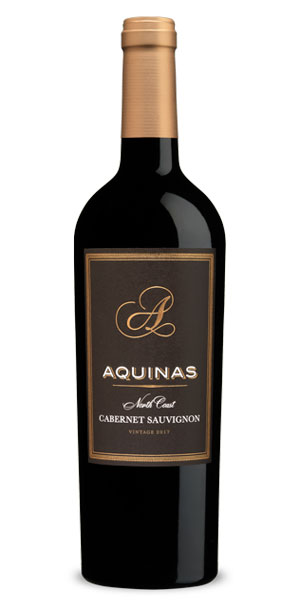
Don Sebastiani & Sons is a family-owned company with roots in Sonoma for over a hundred years. Aquinas is a line of wines within the Don Sebastiani porfolio. They make luxurious wines from pre-eminent appellations a bit more accessible to all. The team meticulously scours the North Coast, to source the perfect fruit.
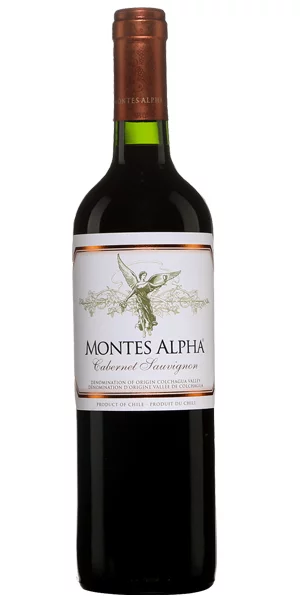
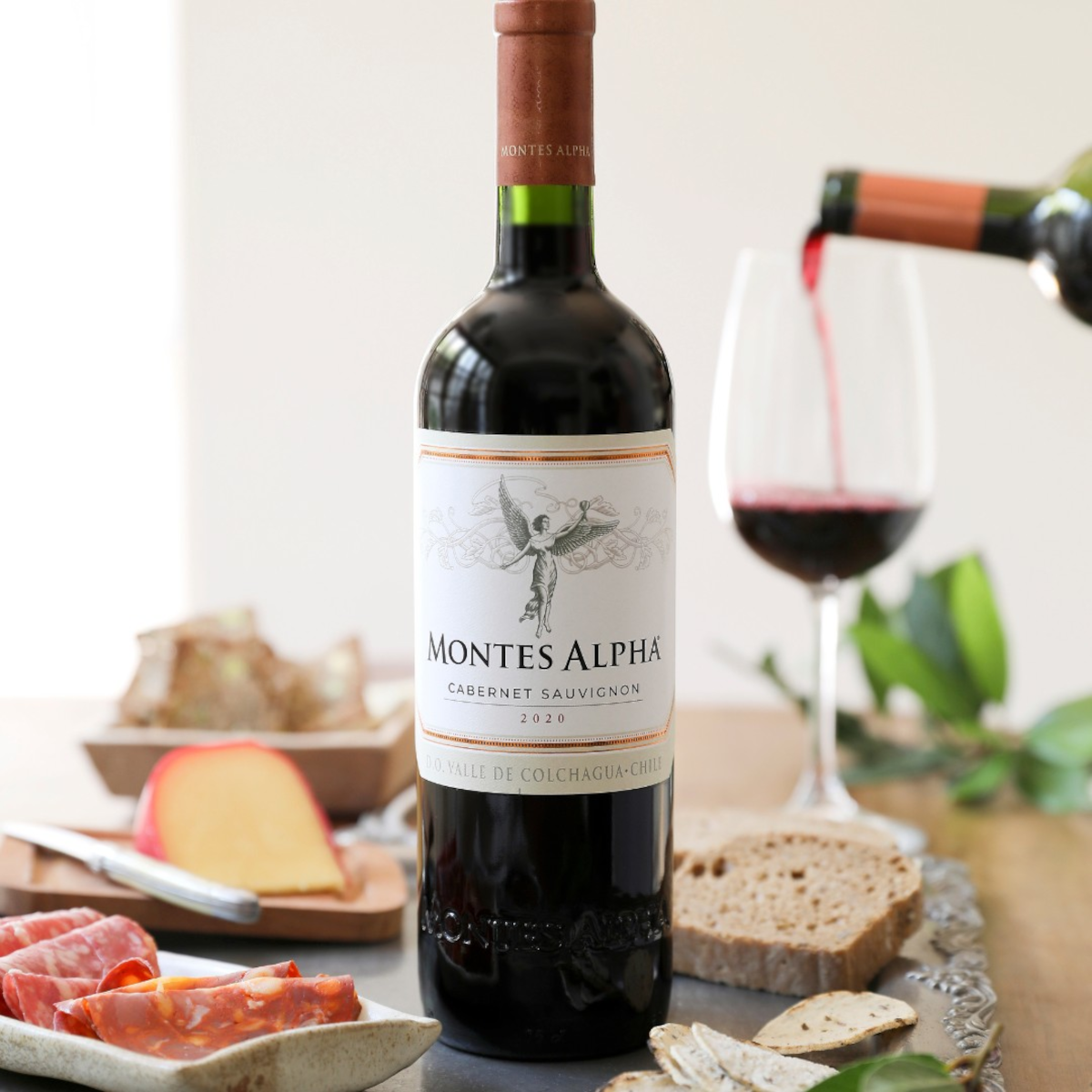
In 1987, Aurelio Montes and Douglas Murray, both highly experienced wine professionals, wanted to realize their dream of producing Chilean wines a quantum-leap higher in quality than the standards of the time and were the first winery to officially make a premium wine with their 1987 Montes Alpha Cabernet Sauvignon. In 1988, they joined up with the other two founders, Alfredo Vidaurre and Pedro Grand, who brought their own complementary skills and expertise to the venture. Montes is a pioneer in the Chilean wine industry and today produces a range of wines in various category levels, from entry level easy drinking wines to premium and ultra premium wines.
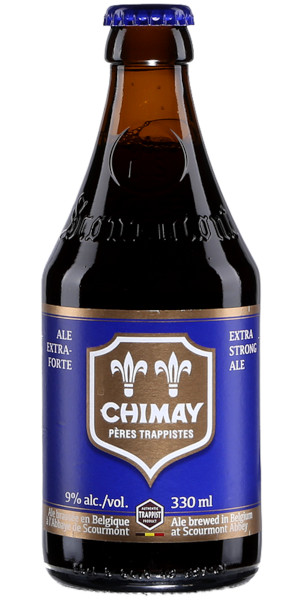
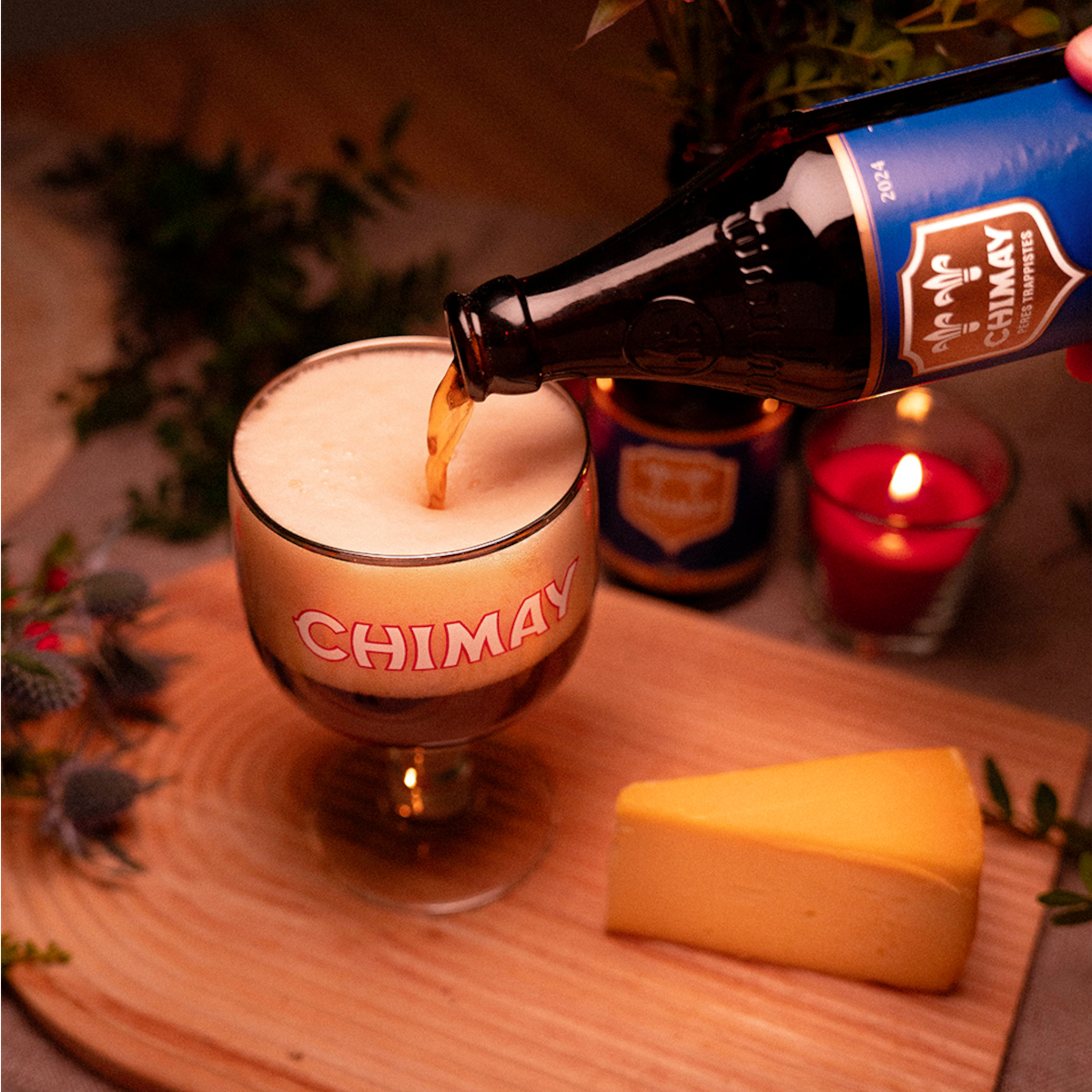
Chimay is the name of the Trappist brewery* that produces beer within the Scourmont abbey, 1km from the French border, and they have been brewing beer since 1862. Losing their copper brewing kettles to the Nazis during the war, the brewery had to restart over, but have since become arguably the most well-known Trappist brewery in the world. Like most Trappist breweries, Chimay has a house yeast culture, some may call a “super-yeast” that can produce exceptionally complex, and elegant styles of beer.
*The term Trappist Brewery relates to beer made within the walls of a Trappist abbey, where the brewing is performed by, or under the supervision of Cistercian monks. There are only a handful of legally defined Trappist breweries in the world.
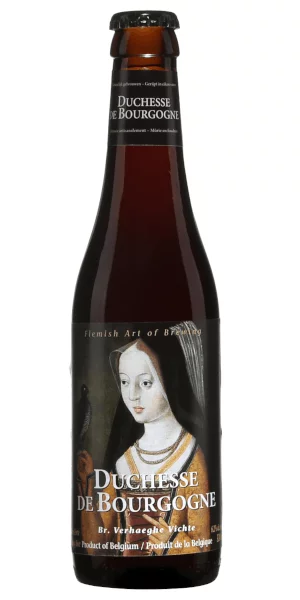
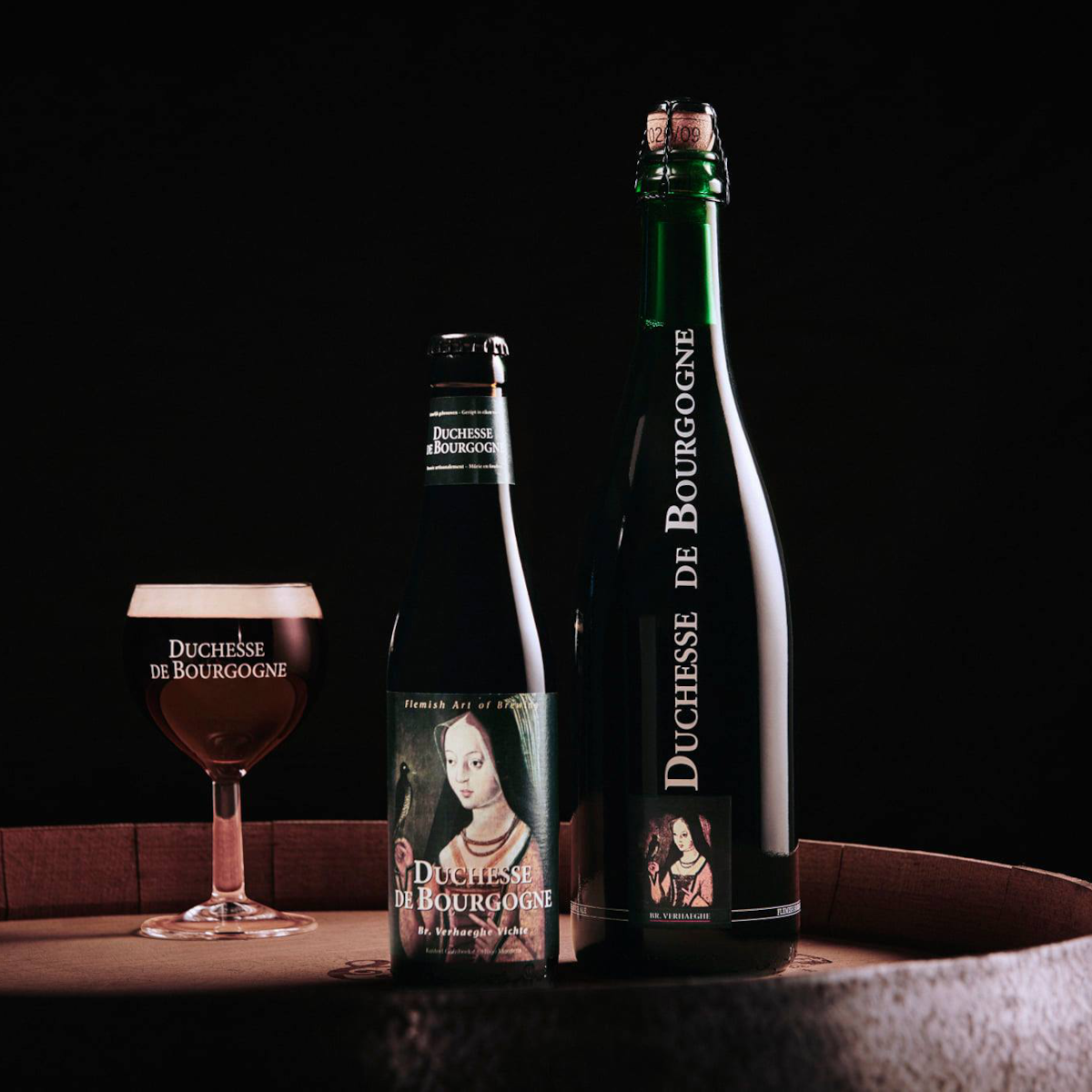
Brewery Verhaeghe is the brewery that produces Duchesse de Bourgogne. They are a small family-owned brewery in the southwest of West Flanders, Belgium. The history of the brewery dates back to 1885.
The Verhaeghe brewery follows one simple rule: do a little less, but do it better. At home in Belgium but also across the globe, beer consumers tend to gravitate more and more towards high quality, unique beers. The flagship beer ‘Duchesse de Bourgogne’ is living proof of this philosophy. This popular red-brown west-flemish ale is brewed according to traditional wild yeast fermentation that this region in Belgium is famous for and additionally matured in oak casks for 8-18 months to ensure the unmistakable full flavour of ‘the Duchesse’.
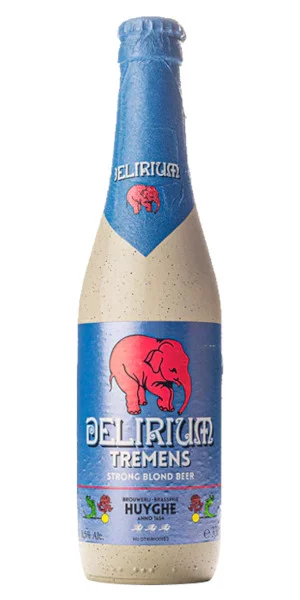
The Huyghe Brewery in Melle, Belgium is under it’s 4th generation of family ownership, and one of Belgium’s largest. They have a large range of beers they produce, as well as a partnership with the monastery that brews Averbode beer. They are most known for Delirum Tremens. Next time you’re in Brussels, be sure to check out their world famous Cafe, with over 3000 bottles in the cellar!
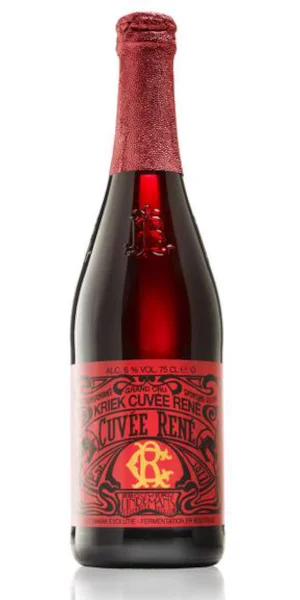
Southwest of Brussels, in the quiet Belgian town of Vlezenbeek, the Lindemans family has been farming and homebrewing as long as anyone can remember. Commercial brewing started in 1822.
Lambic, or spontaneously fermented beers, are the beers of this region and are among the world’s rarest: they are the only beers fermented via wild, airborne yeast – no yeast is added by the brewers. Lambics come only from the Senne River valley, near Brussels – a region about 15 by 75 miles in size. The unusual, demanding, and unique flavors that come from multiple yeast strains are unmatched in the world of beer.
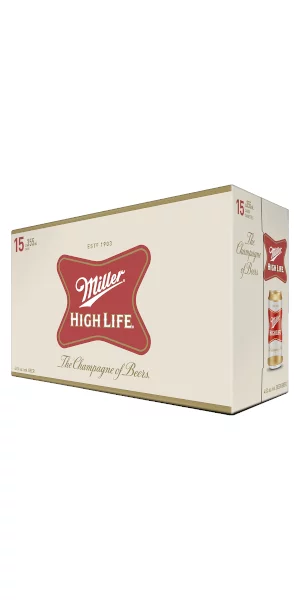
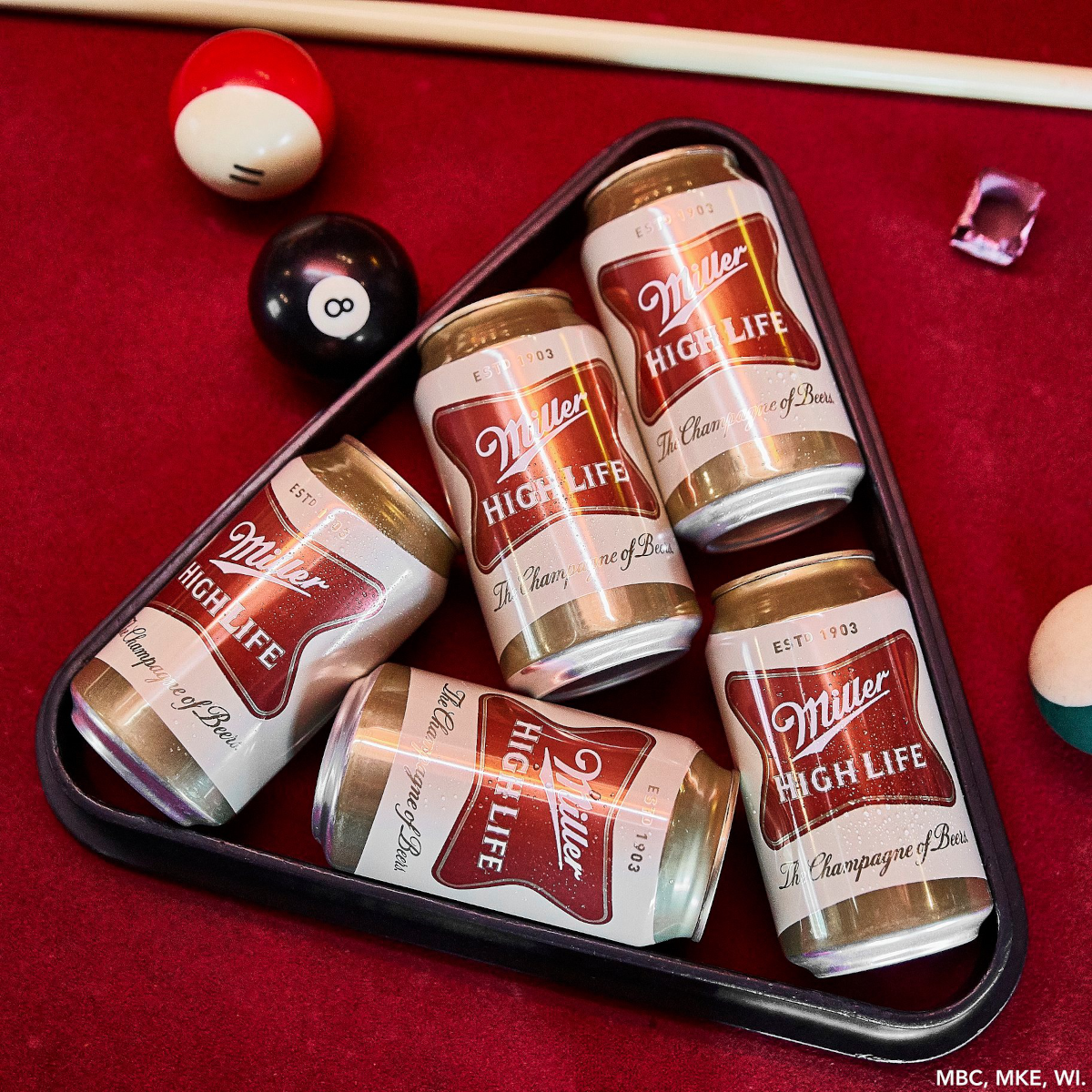
The Miller Brewing Company was founded in 1855, in Milwaukee, Wisconsin by Frederick Miller – one of many German immigrants to America in the mid-1800s. This initial wave of German immigrants also coincided with the new Pilsner beer that was gaining intense popularity in continental Europe. These original families like Miller, Busch, and Pabst (sound familiar?) helped bring the original Pilsner style to America, where since then it has become the worlds most popular selling style of beer.
Miller has since been bought and sold, and currently is owned by the Molson/Coors group. Our Miller High Life is brewed in Canada.
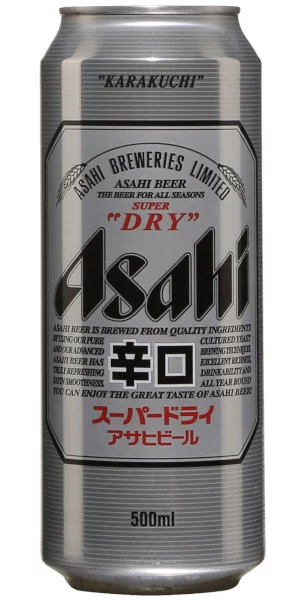
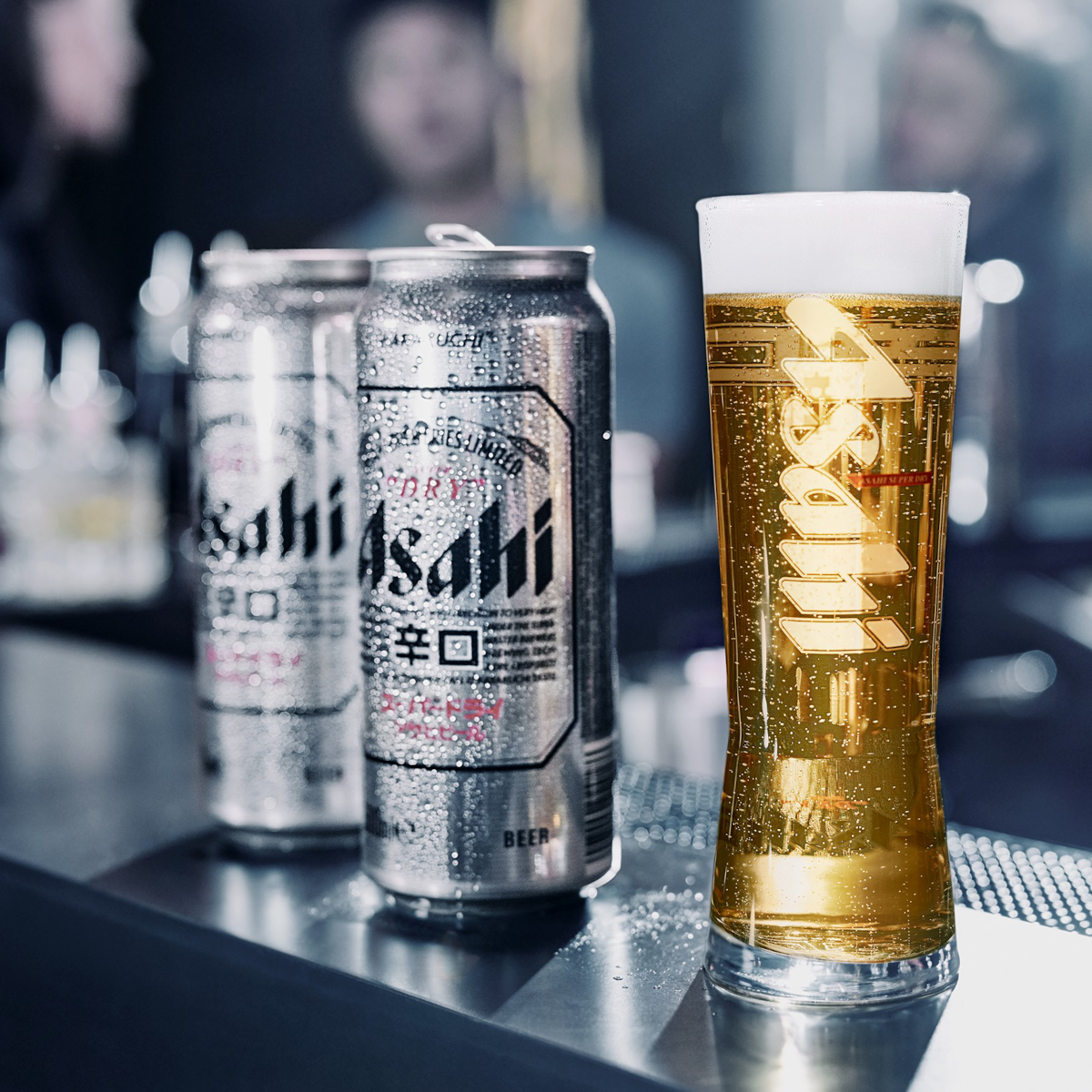
Originally founded in 1889, Asahi has become Japan’s number one selling beer brand. Asahi, pronounced ‘A-Sa-Hee’, means ‘rising sun’ and is found all over the world. They are not owned by any other larger parent company.