January 9: New + Back In Stock
The wait is over! Here are the new products that have hit our shelves this week, plus the best sellers that are back in stock.
CYBER MONDAY DEALS ARE LIVE -- OFFERS VALID UNTIL MIDNIGHT -- Dismiss
The wait is over! Here are the new products that have hit our shelves this week, plus the best sellers that are back in stock.
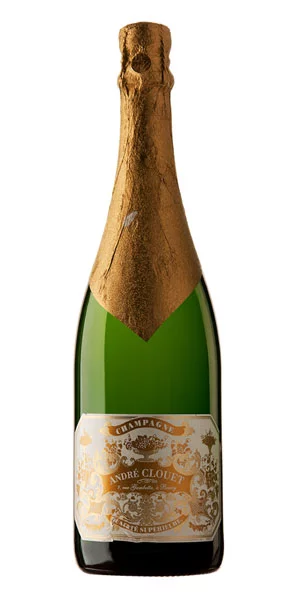
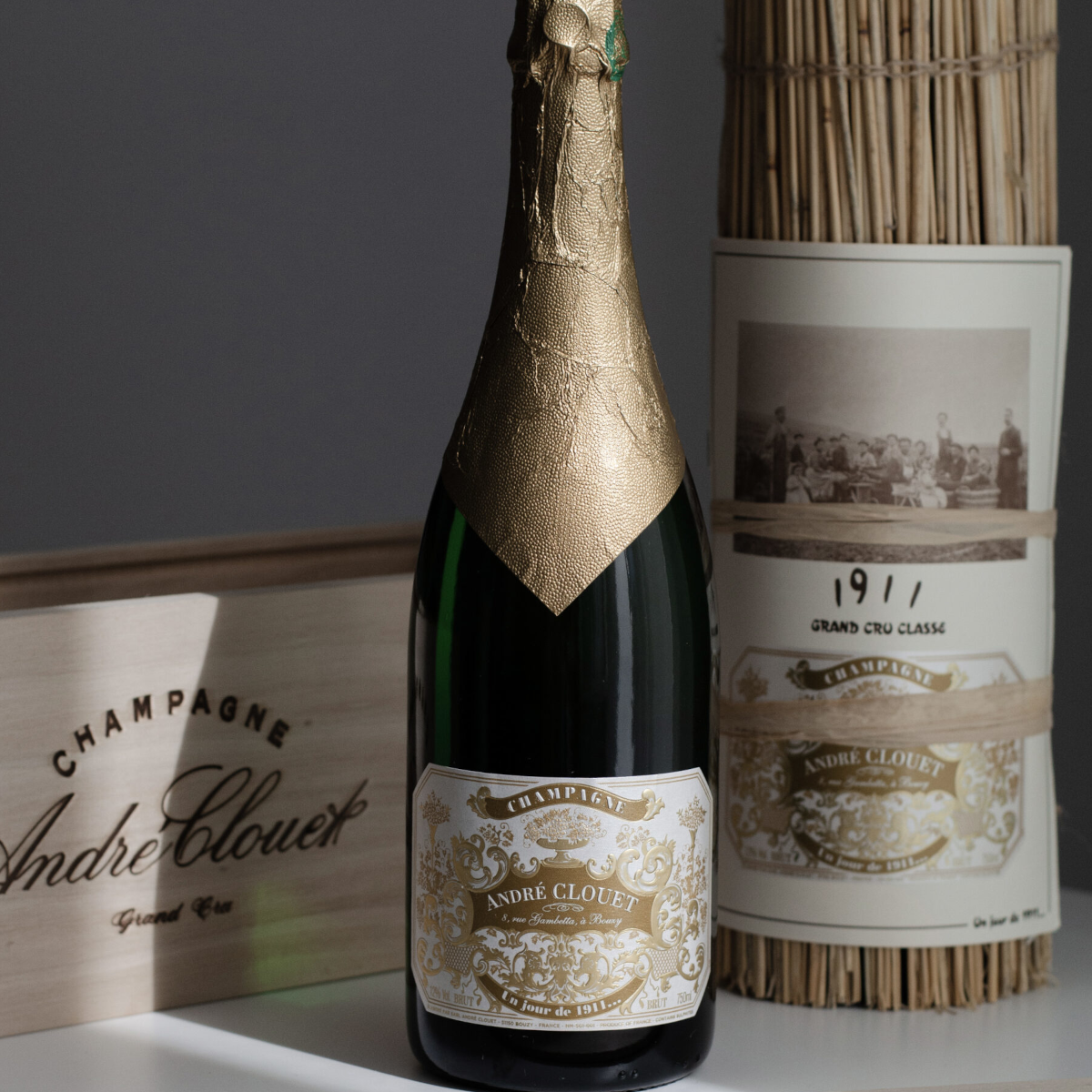
The Champagne house of Andre Clouet was established in 1741 in Bouzy within La Montagne de Reims territory. Even before this, the ancestral branch of the Clouet family were well known as the official printers of the King of France, their name was Seneuze. There is a document dating back to 1680 which is a request for a deed for the purchase of land in Champagne. Today, Clouet farms about 20 acres of vines in this area that is the most famous Grand Cru village in Champagne for Pinot Noir. The house of Clouet is a grower/producer house crafting limited amounts of a few different cuvées made exclusively from Pinot Noir.
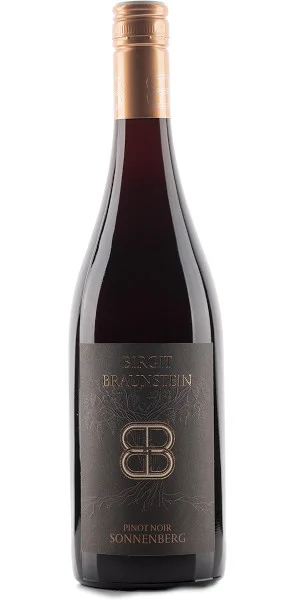
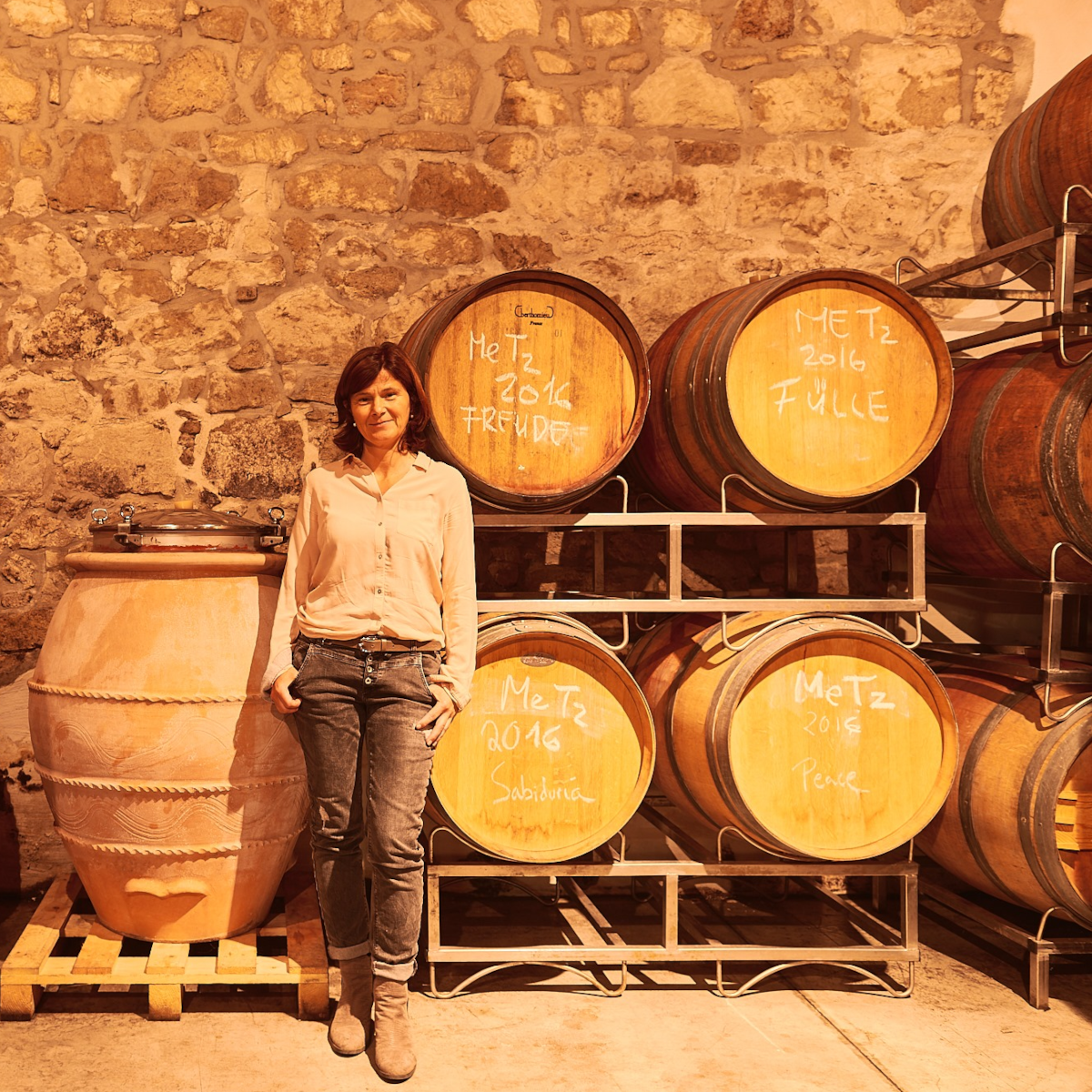
Birgit Braunstein’s family has been growing vines in Austria next to lake Neusiedl for 400 years. She works organically and biodynamically across a wide range of terroirs, her wines are elegant and balanced. She farms 22 hectares in the Burgenland, where she grows a range of Austrian and international varietals, following biodynamic principles since 2009.
Despite all the developments at the winery, one thing remains the same in her life as a vintner: the place and the soil in which her vines root and ripen their grapes. The schist, shell limestone, and crystalline quartz of the Leitha Mountains and the unique microclimate near Lake Neusiedl provide the wines of Purbach a special, natural ripeness and terror-specific minerality. The crisp, cool night air on the Leitha Mountain slopes lends Birgit Braunstein’s wines fruitiness, finesse, and vitality. It is with great joy and dedication that she follows her life’s calling. All her wines are naturally fermented and bottled unfined and unfiltered with small sulphur additions.
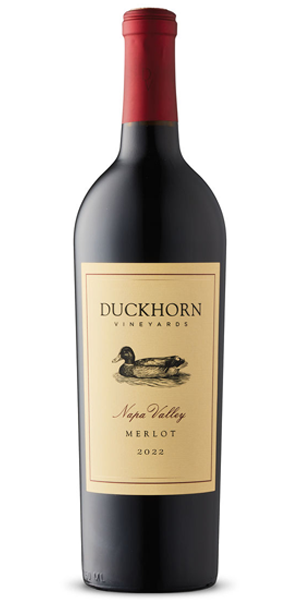
Co-founded by Dan and Margaret Duckhorn in 1976, Duckhorn Vineyards has spent forty years establishing itself as one of North America’s premier producers of Napa Valley wines. From its modest inaugural vintage of 800 cases of Cabernet Sauvignon and 800 cases of Merlot in 1978, to its addition of Sauvignon Blanc in 1982, Duckhorn Vineyards has crafted a tradition of quality and excellence that continues today.The winery’s seven estate vineyards are located in alluvial fans of Napa Valley and the much sought after Howell Mountain slopes.
Winemaker Renee Ary works with each vineyard block separately and harvests when flavours are optimal and tannins are their softest. She approaches winemaking in an artisinal manner, by tasting and blending from close to 200 lots, separately barrel ageing each lot in oak from various cooperages. The result are wines of great finesse, personality and depth.
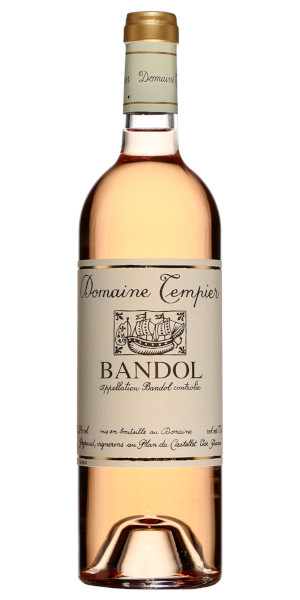
The iconic Domaine Tempier has been an active family run farm since 1834 and was given to “Lulu” Tempier and Lucien Peyraud in 1936 as a gift from Lucien’s father. Thanks to Lucien’s dedication in helping revive the Mourvedre grape, Bandol is often cited as being a “grand cru of Provence”. The terroir of Domaine Tempier is varied and complex. The land is made up of a patchwork of geologically diverse plots spreading on over a 60 hectare area. Domaine Tempier has always been respectful and faithful to mother nature. The entire farming process is aligned to the rhythm of the seasons and the lunar calendar; they are an organic and biodynamic wine estate.
Domaine Tempier’s iconic and much anticipated rosé is one of the last rosés to hit the shelves at Bishop’s Cellar during the calendar year. This wine arrives at the end of summer and is a perfect wine to enjoy the transition from summer to fall which is always such a glorious season in Nova Scotia!
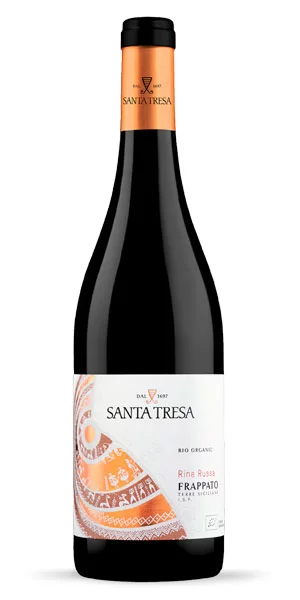
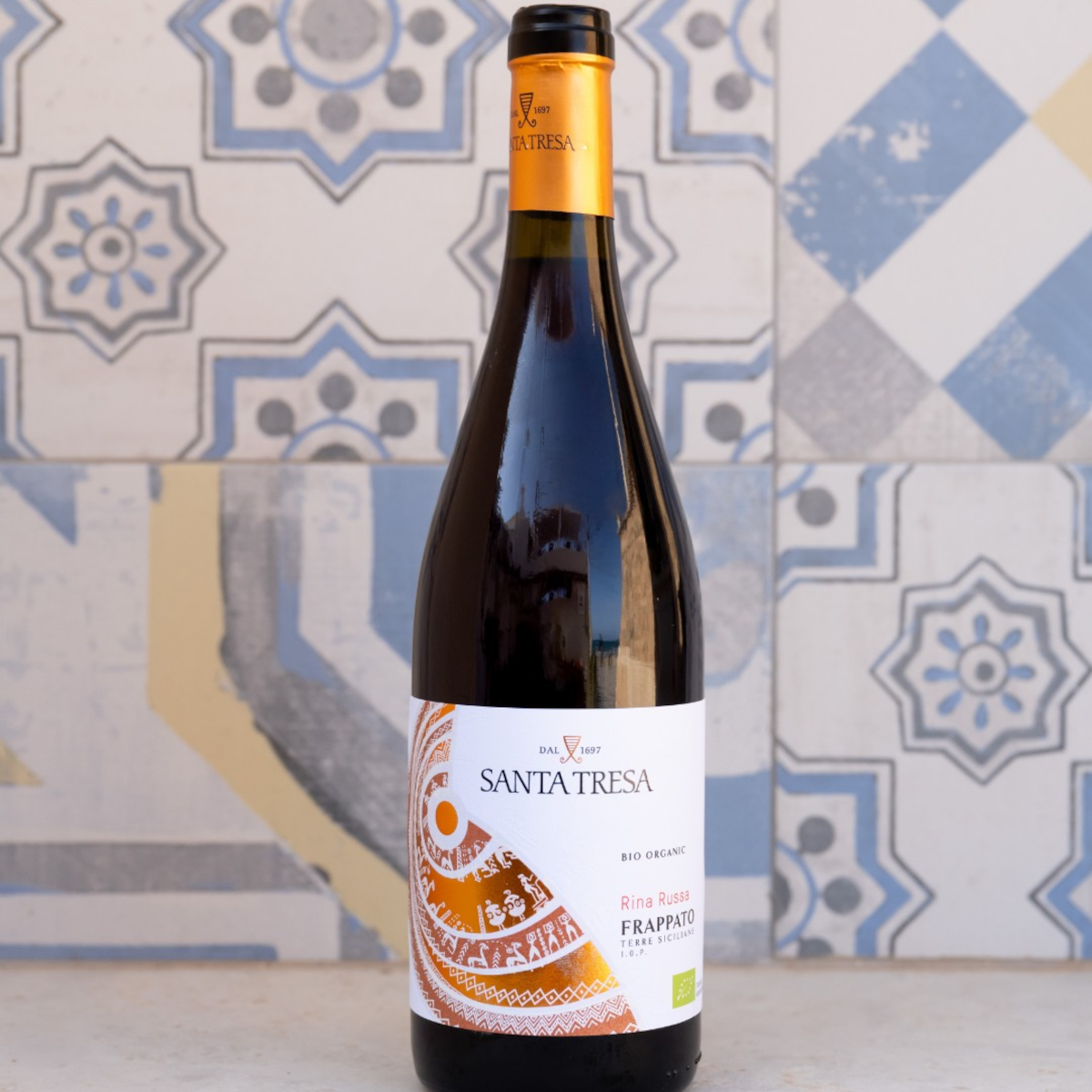
Brother and sister Stefano and Marina Girelli, wine entrepreneurs from Trentino, discovered the winemaking region of Sicily and purchased Santa Tresa in 2001.
Santa Tresa (Sicilian dialect for Santa Teresa) is nestled in Vittoria, in the south east of Sicily; their estate encompasses 50 ha of land, 39 ha dedicated to vineyards. When the winery and properties were acquired in 2001, indigenous clones of Frappato, Nero d’Avola, and Grillo were discovered, planted across the existing vineyards. Aside from the abundance of indigenous varieties they already cultivate, an organic, experimental vineyard is used to rediscover other indigenous grapes, with their traditional vines. Within this experimental plot, Albanello and Orisi are grown- ancient varietals that date back to nearly the beginning of winemaking in the region. More recently, the winery has decide to source all their water from a local reservoir, using only natural rainwater for any irrigation. On top of that, green beans are grown and used to make natural fertilizer.
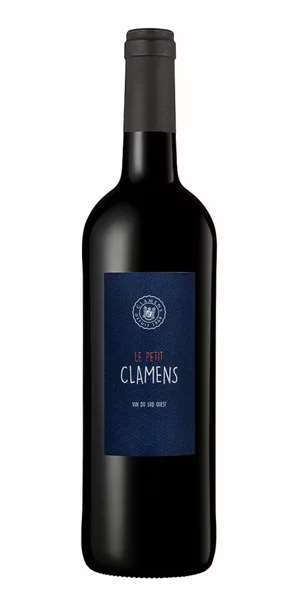
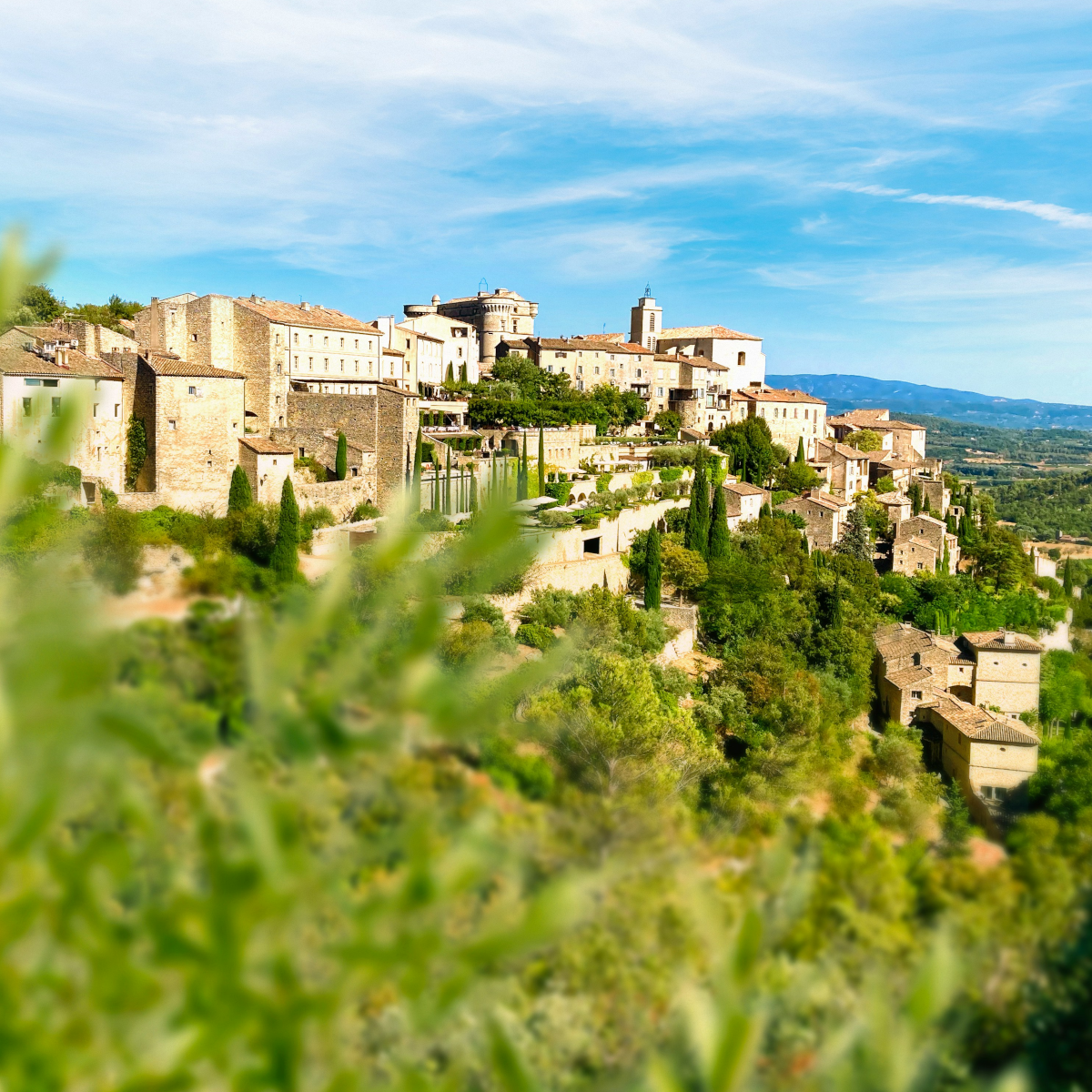
The vineyards of Chateau Clamens are located at the entrance to Toulouse, on the sandy loam and clay soil of the old terraces of the river Tarn which offers good heat retention. Coupled with a favourable climate – over 2,000 hours of sunshine a year, fairly cool nights and little but regular rainfall.
Want to learn more about Chateau Clamens? Read our blog post here.
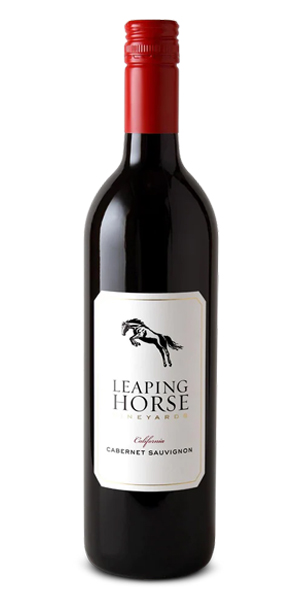
Ironstone Vineyards, the producer of Leaping Horse, is known for owning and operating several leading US wine brands. In addition to vineyards in the Sierra Foothills, Ironstone draws on the production from its Lodi appellation vineyards—some 4,500 acres (18 km2) in all.
Born from a love of horses, Leaping Horse is aptly named. The Kautz family have been involved in many generations of riders and are passionate about their equine friends and partners. From an artist rendition to today’s look, Leaping Horse is about unpretentious and contemporary wine styles.
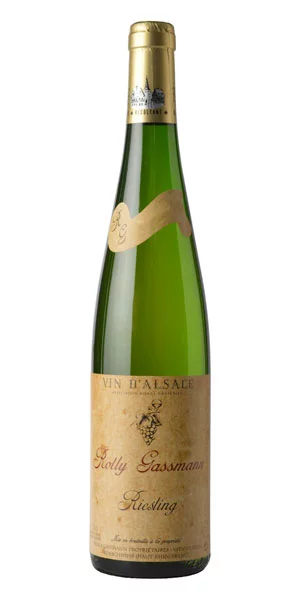
The Gassmann family has been making wine in the village of Rorschwihr since 1661. The current domaine name dates to the 1967 marriage of Marie-Therese Rolly and Louis Gassmann. Today the estate is largely managed by their son Pierre Gassmann. With 126 acres under vine and vast cellars extending six stories deep under their hillside and capable of holding a million bottles of wine, Domaine Rolly-Gassman makes some of the most compelling wines in Alsace. In 1997 they added a biodynamic philosophy to their traditional ongoing approach of minimal interference with the vines. Pierre has an in-depth knowledge of estate’s terroir (a complex mosaic of limestone and marls), focuses on low yields and rigorously selects grapes.
Each plot is vinified separately using a very slow fermentation with wild natural yeasts. Fermentations generally stop in winter in their cool, deep cellars, leaving significant residual sweetness in many of the wines. The result is lush and balanced style and a certain velvety sweetness that characterizes the wines. It is only as wines are tasted and deemed appropriately aged that the wines are released to the market, sometimes as many as 20 years after bottling. Pierre Gassmann insists on late harvesting and lengthy cellaring after bottling, creating luscious yet balanced styles.
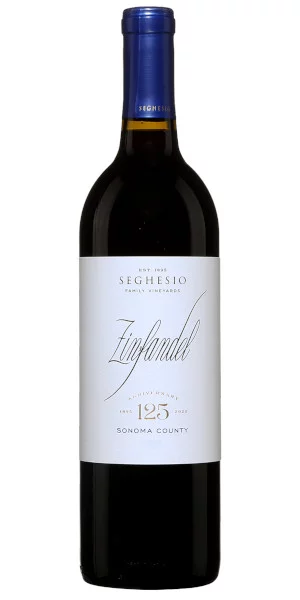
Seghesio Family Vineyards is a historically significant winery in Sonoma County. Edoardo Seghesio, immigrated from Piedmont Italy and planted his first Zinfandel vines in Sonoma County’s Alexander Valley in 1895. He started out as a vigneron, supplying grapes to other winemakers, then eventually began making his own wine. The family’s land holdings expanded throughout the valley and today Seghesio has some of the oldest vineyards and clones in their possession. Seghesio farms 300 acres of certified sustainable estate vineyards and also sourced premium grapes from growers in Sonoma County.
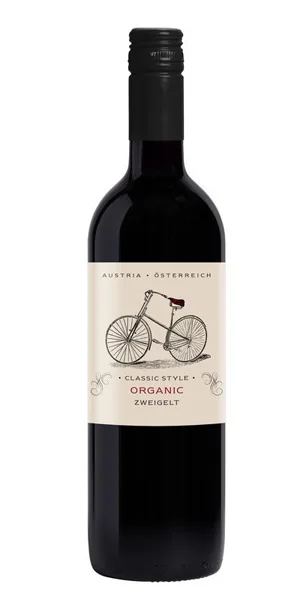
The Moser family is one of Austria’s viticultural dynasties. In 1848, Anton Moser started his own wine estate in the village of Rohrendorf. The most famous descendant of the family is the viticulture pioneer Dr. Lenz Moser who, in the 1950’s, developed the high training system for vines. Sepp Moser founded today’s estate in 1987 with vineyards in the Austrian wine-growing areas Kremstal and Neusiedlersee. He ambitiously dedicated himself to creating exquisite wines full of character from best sites. Sepp’s son Nikolaus took over the estate in 2000- quickly becoming one of the first wine-growers in Austria to convert his vineyards to biodynamics.
Want to learn more about the wines of Sepp Moser? Read our blog post here.
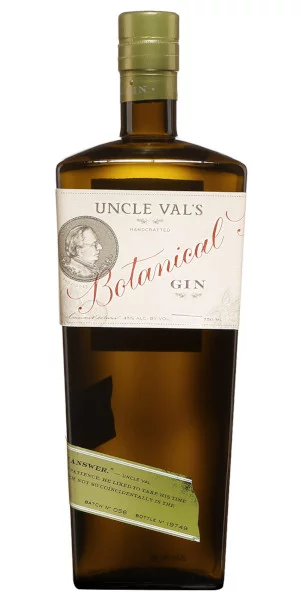
Uncle Val’s is a small-batch botanical gin inspired by Zio Valerio’s (Uncle Val) love of gardening and native Tuscan cuisine. The botanicals are not only Uncle Val’s favourite cooking ingredients, but also happen to make an exceptionally unique and smooth delicious gin. Val’s is a perfect marriage of juniper, cucumber, lemon, sage, and lavender.
CYBER MONDAY DEALS ARE LIVE -- OFFERS VALID UNTIL MIDNIGHT -- Dismiss