New + Back in Stock: January 12th, 2024
Wine. Spirits. Beer. Cider. RTD. We always have something interesting for you to discover.
Browse our NEW products this week, plus best sellers that are back in stock:
Wine. Spirits. Beer. Cider. RTD. We always have something interesting for you to discover.
Browse our NEW products this week, plus best sellers that are back in stock:

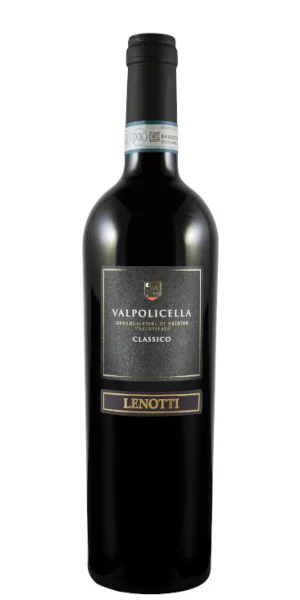
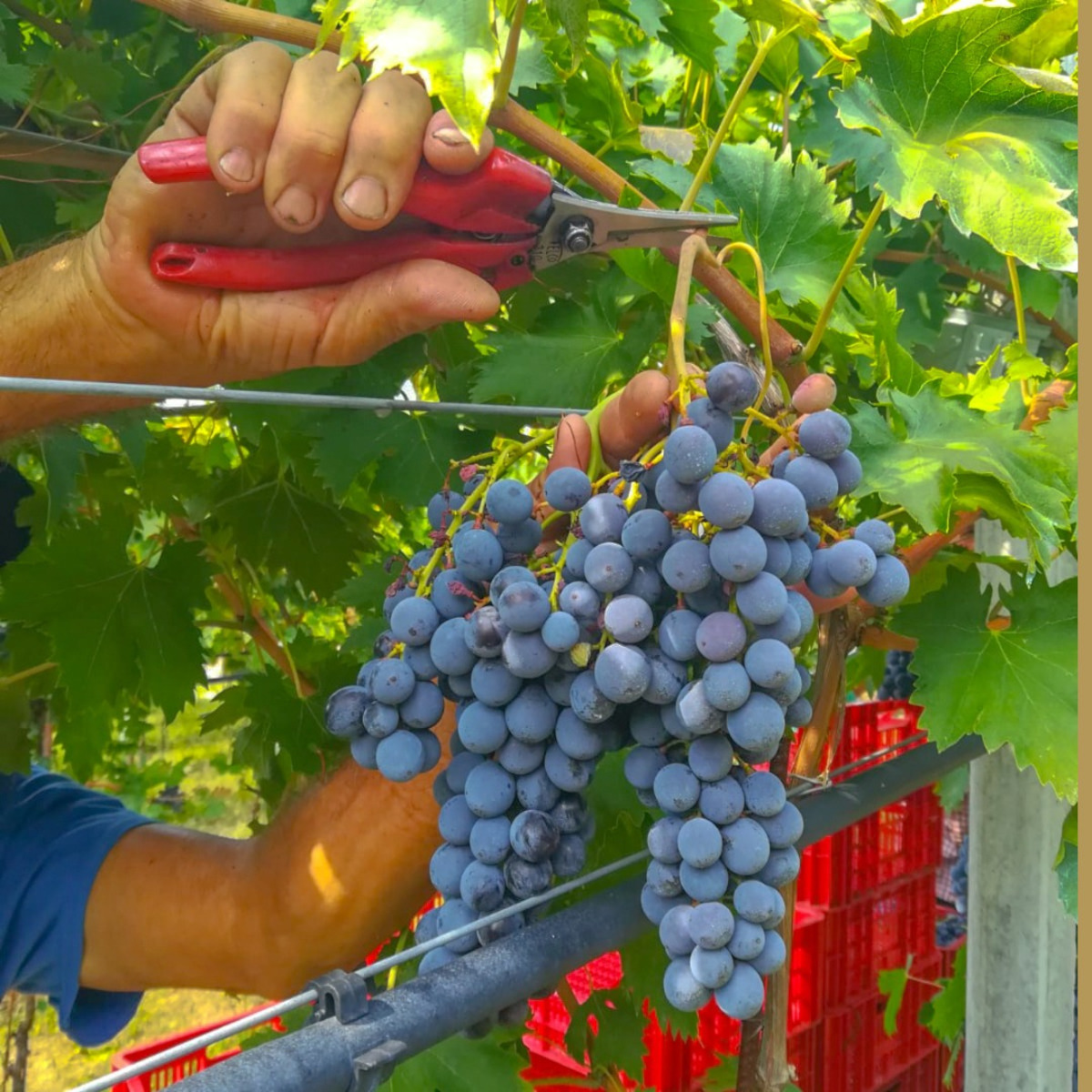
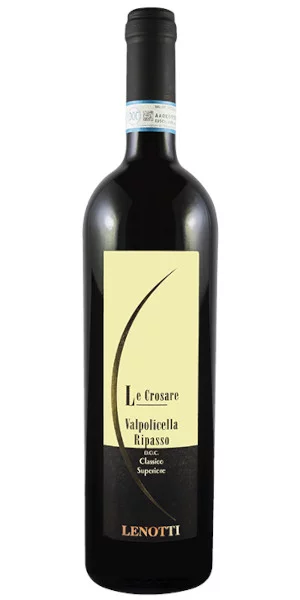
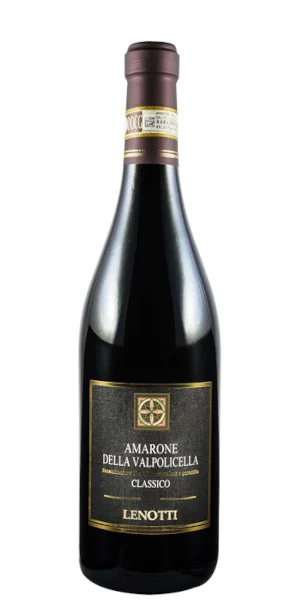
The Lenotti family has been producing wines in the Veneto since 1906 in Bardolino, the area around Verona and Lake Garda. Since 1968, the farm has been bottling and selling the wines directly with the main goal of supplying clients with high quality products at competitive prices. At present the estate is run by the Giancarlo Lenotti (oenologist , production manager and facilities supervisor), Marina Lenotti (sales manager for the home market), and their son Claudio (export manager). They export 90% of their production.
The Lenotti family has been producing wines in the Veneto since 1906 in Bardolino, the area around Verona and Lake Garda. Since 1968, the farm has been bottling and selling the wines directly with the main goal of supplying clients with high quality products at competitive prices. At present the estate is run by the Giancarlo Lenotti (oenologist , production manager and facilities supervisor), Marina Lenotti (sales manager for the home market), and their son Claudio (export manager). They export 90% of their production.
The Lenotti family has been producing wines in the Veneto since 1906 in Bardolino, the area around Verona and Lake Garda. Since 1968, the farm has been bottling and selling the wines directly with the main goal of supplying clients with high quality products at competitive prices. At present the estate is run by the Giancarlo Lenotti (oenologist , production manager and facilities supervisor), Marina Lenotti (sales manager for the home market), and their son Claudio (export manager). They export 90% of their production.
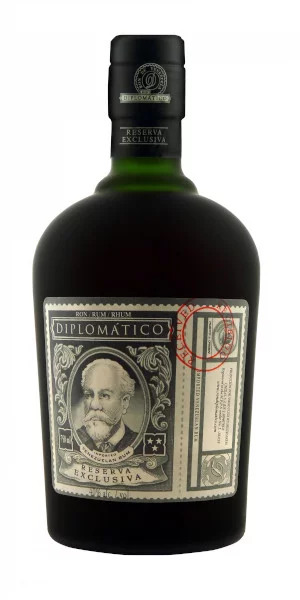
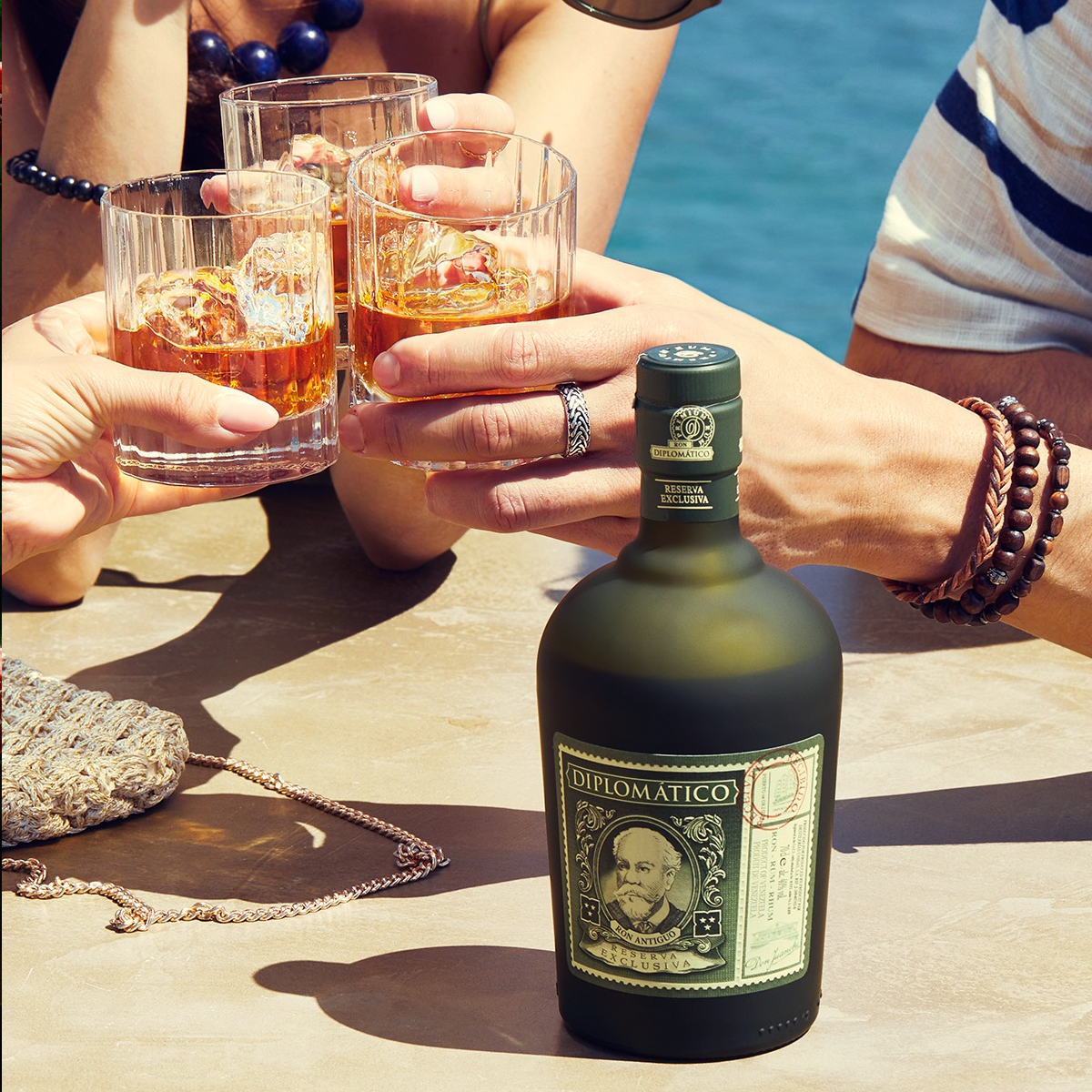
Situated in a town called La Miel near the Andes in Venezuela, Distilerias Unidas produces a variety of distillates but is certainly best-known internationally for their phenomenal rum. Ron Diplomatico Exclusiva has become something of a standard-bearer for modern Venezuelan rum as it is one of the most awarded rums in the world and frequently tops both tasting panels and consumer reviews. Diplomatico is made entirely from molasses and sugar cane honey from local sugar processing plants and has a much higher concentration of sugar than most rum producers have available to them. The result is an exceptionally rich and sweet rum that never fails to turn heads.
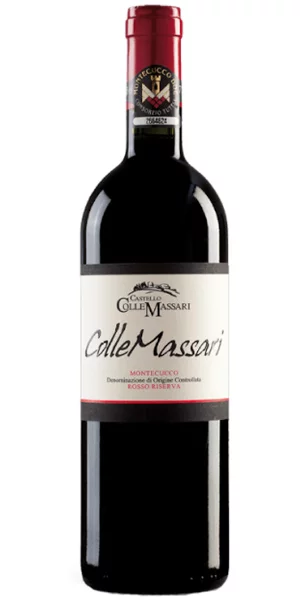
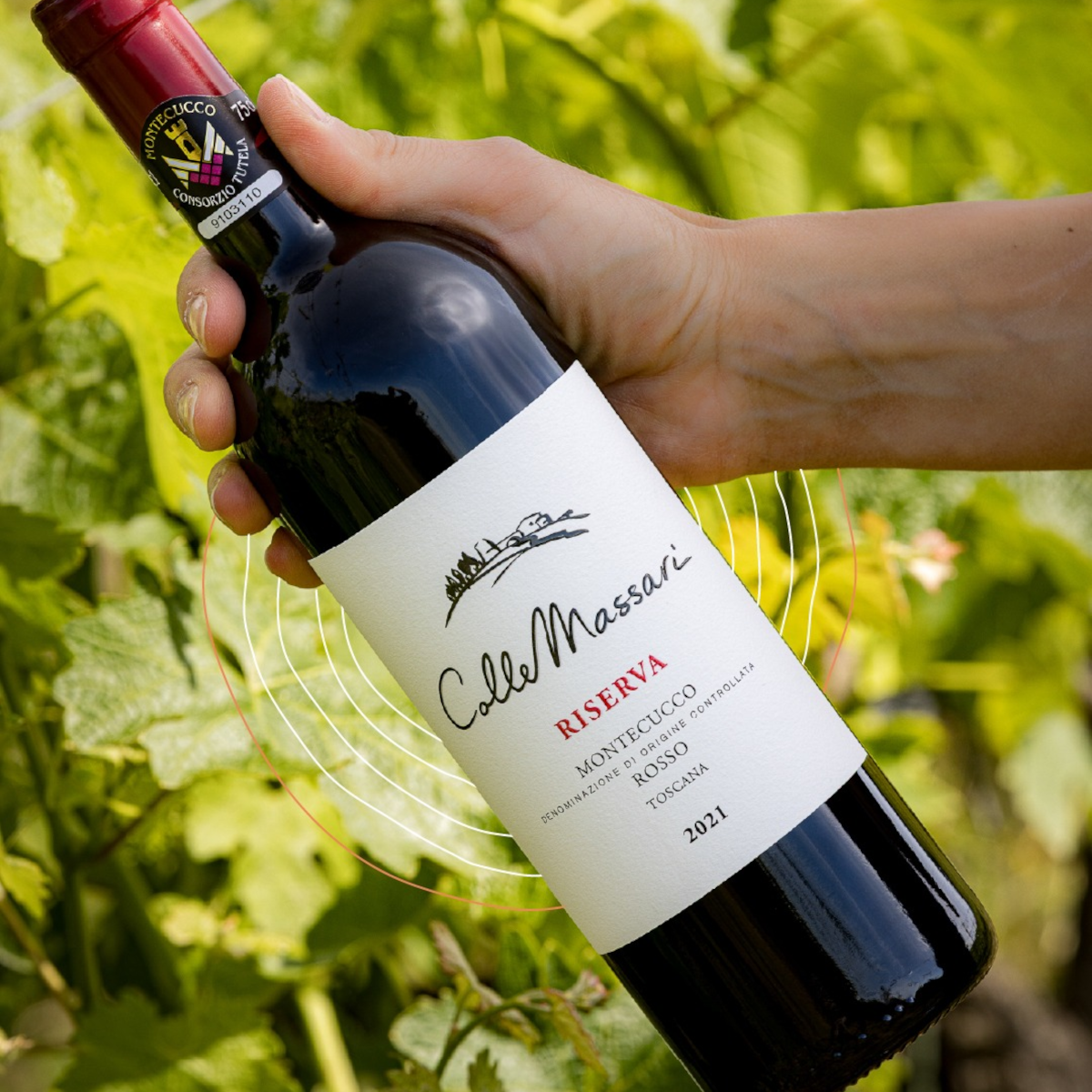
Sister and brother team Maria Iris and Claudio Tipa brought together their shared passion for nature and great wine with a vision to build a wine business in Tuscany; ColleMassari Wine Estates. ColleMassari comprises some of the most prestigious wineries in Tuscany; Castello Collemassari, in Montecucco, (established in 1998; 120 hectares of vineyards), Grattamacco (2002; 34 hectares of vineyards), one of Bolgheri’s historical wineries, Poggio di Sotto (2011; 20 hectares of vineyards), San Giorgio (2017; 26 hectares of vineyards) in the land of Brunello di Montalcino.
It all began with Castello ColleMassari in 1998. This is part of the Montecucco DOC area in Upper Maremma, a territory which is ideal for the growing of Sangiovese, and situated between the DOCG areas of Brunello di Montalcino and Morellino di Scansano. The first vintage produced was 2000. Over the years, the company’s vineyards and winery holdings expanded to include the above mentioned Tuscan estates.
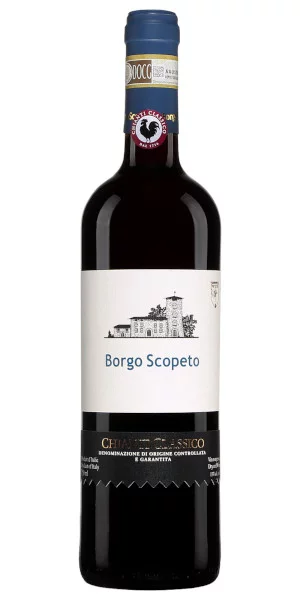
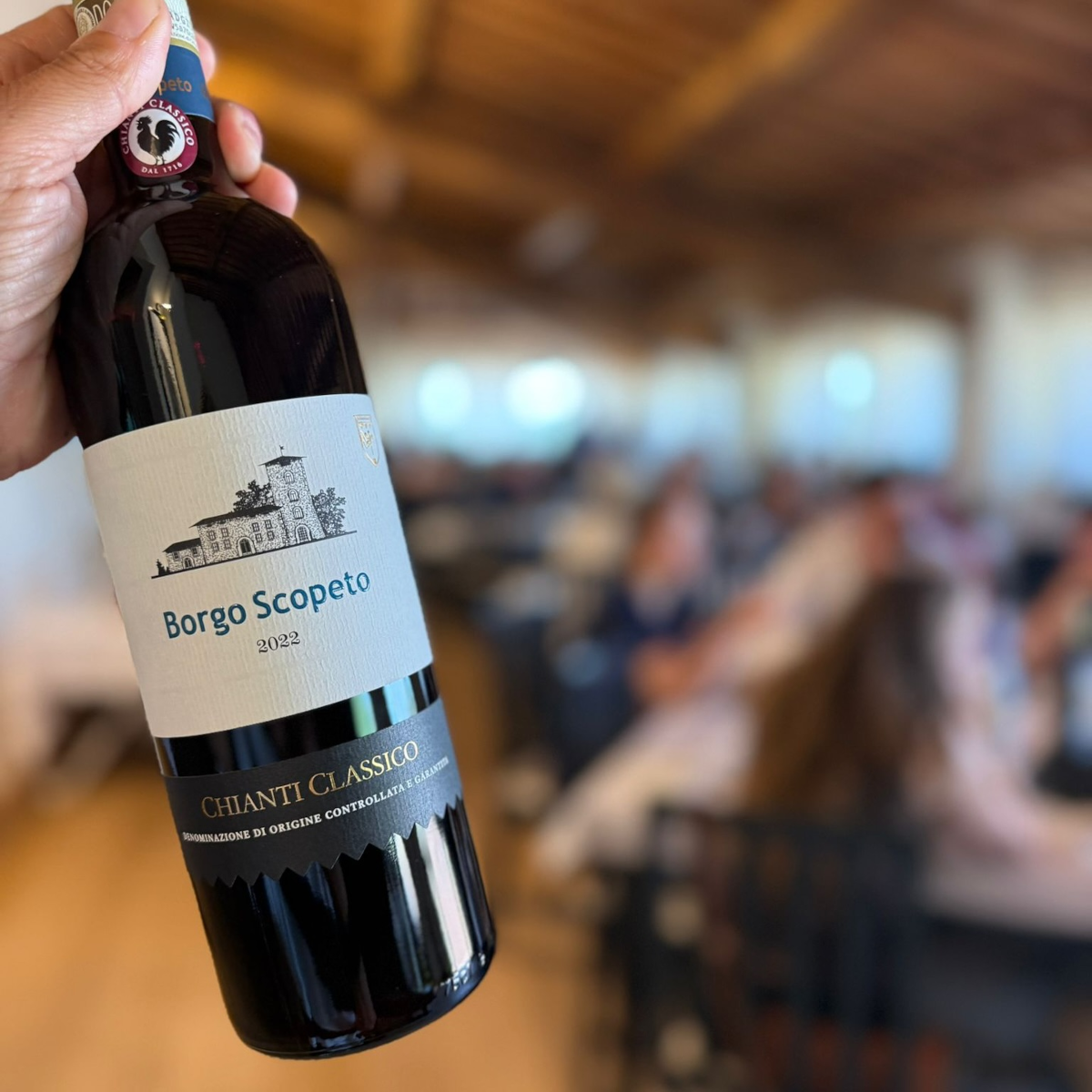
In 1997, the Borgo Scopeto estate was sold to Elisabetta Gnudi Angelini and Alessandra Angelini, it was their first wine purchase in Tuscany. In 1999, Elisabetta purchased more land in Morellino di Scansano DOCG where she planted vines for Doga delle Clavule; two other estates- Caparzo and Altesino of Montalcino, were both purchased in 2002 and 2003, respectively. Borgo Scopeto covers 503 ha in Castelnuovo Berardenga- 6 ha are dedicated to the buildings of the Borgo and 350 ha are woodlands; 70 ha are vineyards and 50 ha are planted with olive trees. Within their vineyard plantings, 40 ha are Chianti in Classico with plantings of Sangiovese, Cabernet Sauvignon, Syrah, and Merlot.
The Sozzini family, which kept the property until the mid-nineteenth century (it dates back to around 1000, though), developed the estate’s wine program to a certain extent but it wasn’t until more recently that Borgo Scopeto improved the quality and begin to bottle its own wines. 1990’s vintage was the first time “Chianti Classico” and Borgo Scopeto appeared on the same label.
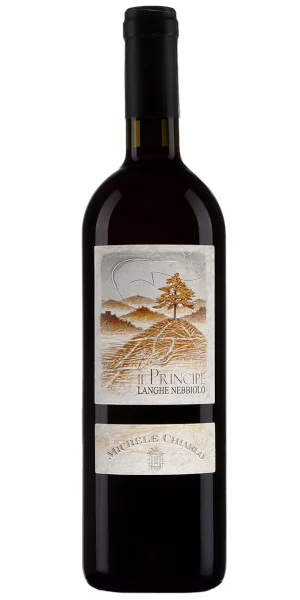
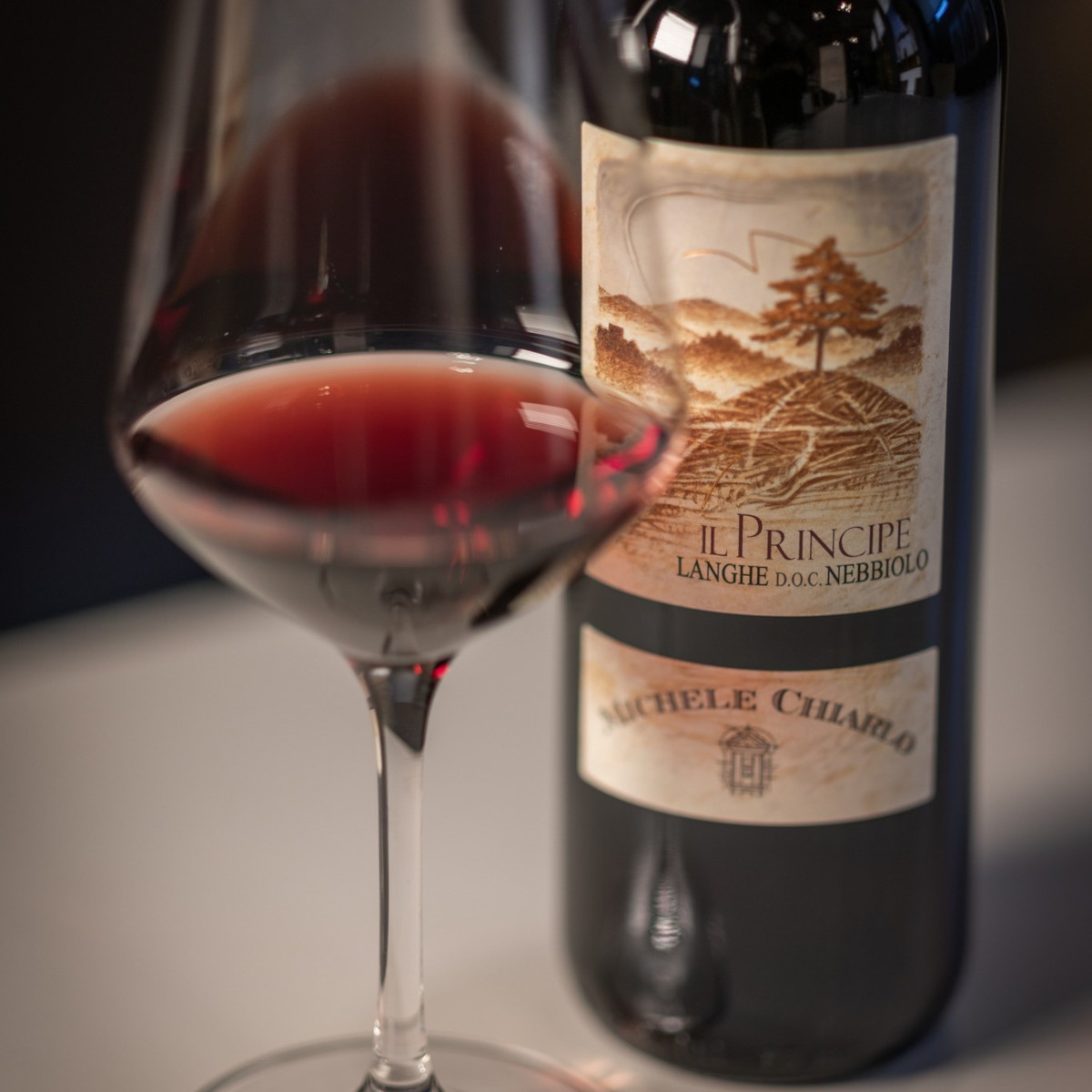
Since 1956, the Piedmonte winemaker Michele Chiarlo has made superior Barberas and high quality Barolos that today are consistently among the most renowned expressions of these wines. Over the years, Michele Chiarlo has realized a success and recognition brought by constant pursuit of quality.The winery is 100% family owned and operated, showcasing only local, single varietal expressions of terroir- no international grapes and no blends. The family specializes in 4 grapes that are considered to be the greatest native varietals of Piedmont: Nebbiolo, Barbera, Cortese and Moscato.
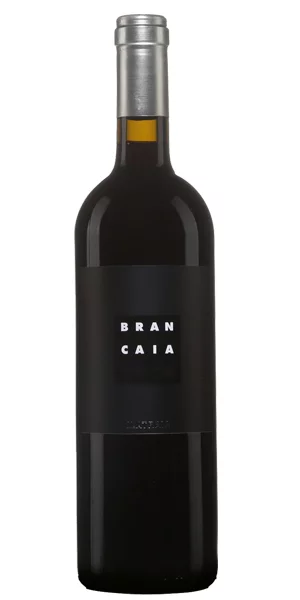
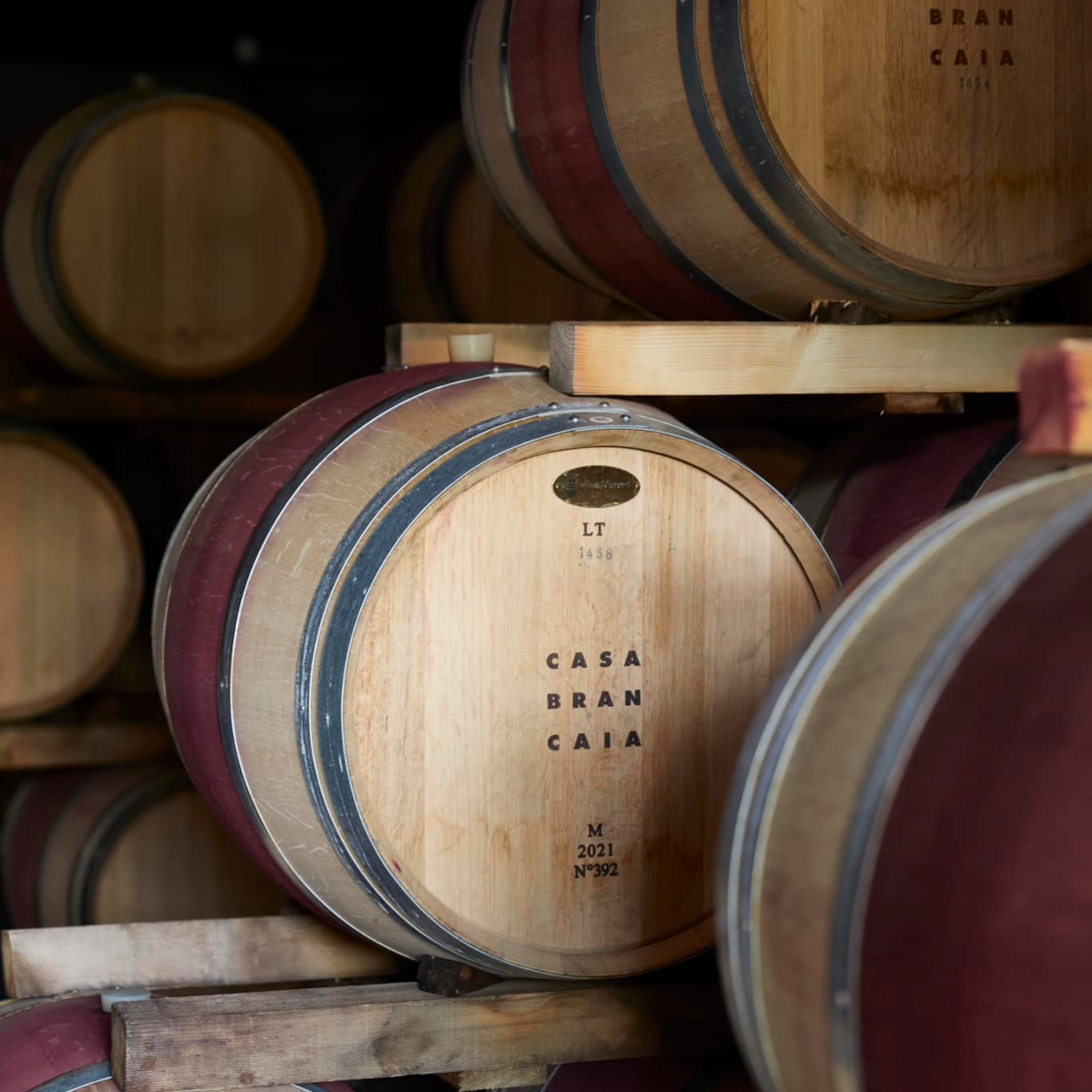
Purchased in 1981 by Swiss couple Brigitte and Bruno Widmer, the original estate sitting atop the Brancaia hill, it was initially a place for their family to visit on holiday. The 20 ha site sported a house in desperate need of renovations and 4 ha of vineyards; a well-protected plot surrounding by deep woods, free from any neighbouring vineyards that have been sprayed with chemicals.
After their Chianti Classico (1983) won a blind tasting in 1986, it wasn’t soon after that the Widmer’s bought 53 ha more, located in Radda. During that time, their famous Il Blu was produced- a blend of Sangiovese, Cabernet Sauvignon, and Merlot. This blend didn’t meet the requirements and/or guidelines to be classified as Chianti Classico and the Widmer family found themselves part of the Super Tuscan movement, a label eventually granted by the Italian government in 1992 known as: Toscana IGT.
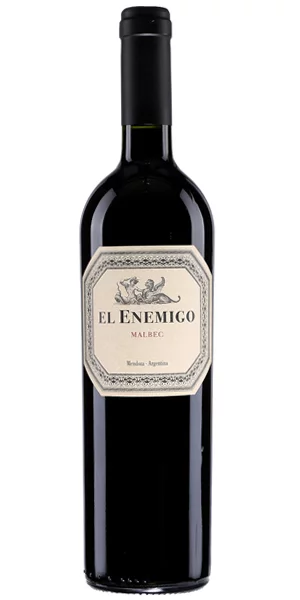
El Enemigo is produced at Piedemonte al Sur, located in southern foothills of Maipu, Mendoza. The facility is named for the unique aspect of Mendoza’s high-altitude winemaking region nestled in the foothills of the Andes Mountains.
Alejandro Vigil is a soil expert, a winemaker and an animal lover. He is the Chief Winemaker at Bodega Catena Zapata and the former head of the soil division at Argentina’s Wine Institute. Among his many pets, he keeps a cow to produce milk for donation to the local school children. Adrianna Catena is the daughter of Nicolás Catena. She is a graduate student in Early Modern Spanish history at the University of Oxford, UK. Her dream is to continue the family legacy of winemaking, while pursuing a passion for history and writing from a cottage surrounded by vineyards in the Argentine Andes.
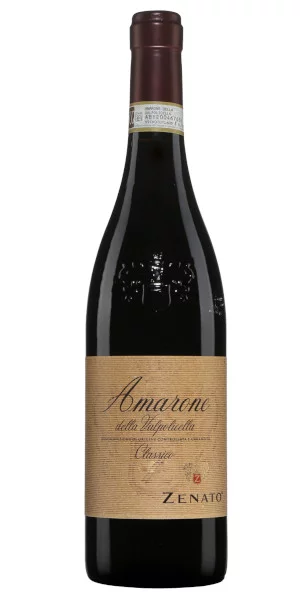
Zenato is a historic and well respected name in Northern Italy’s Veneto region. Sergio Zenato started the winery in 1960 and today the family tradition in winemaking is carried on by his children Alberto and Nadia. The estate produces a range of white and red wines.
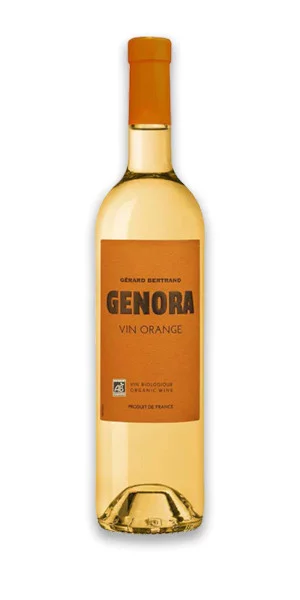
Gérard Bertrand Group is the spearhead of a viticulture committed to a better future led by its founder, the eponymous winemaker. Bertrand began his wine journey in 1975, in Corbières. He worked and learned from his father Georges. He took over the family torch at Domaine de Villemajou after the accidental death of his father in 1987. Five years later, he created the Gérard Bertrand wine company in order to develop a range of wines from the South of France.
Bertrand is known for making great wines with all the nuances of their terroir. Betrand is known for his creativity his talent at blending wines. He and his teams work to bring the best examples of southern France wines to the other wine markets with the goal of revealing the best terroirs of his region and promote them throughout the world.
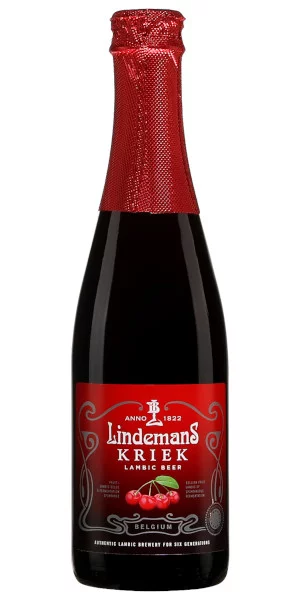
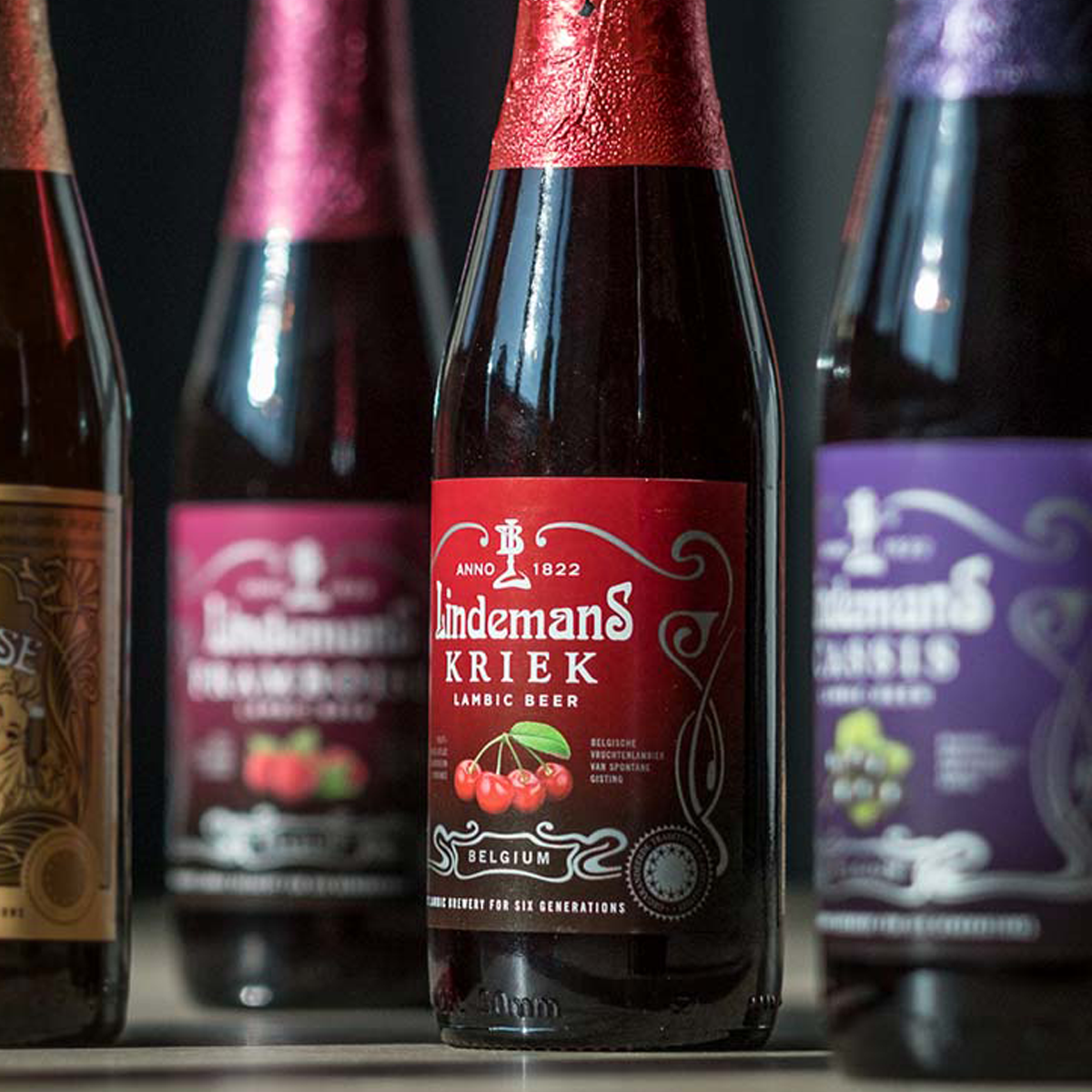
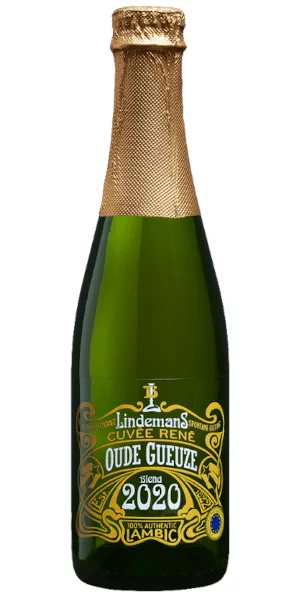
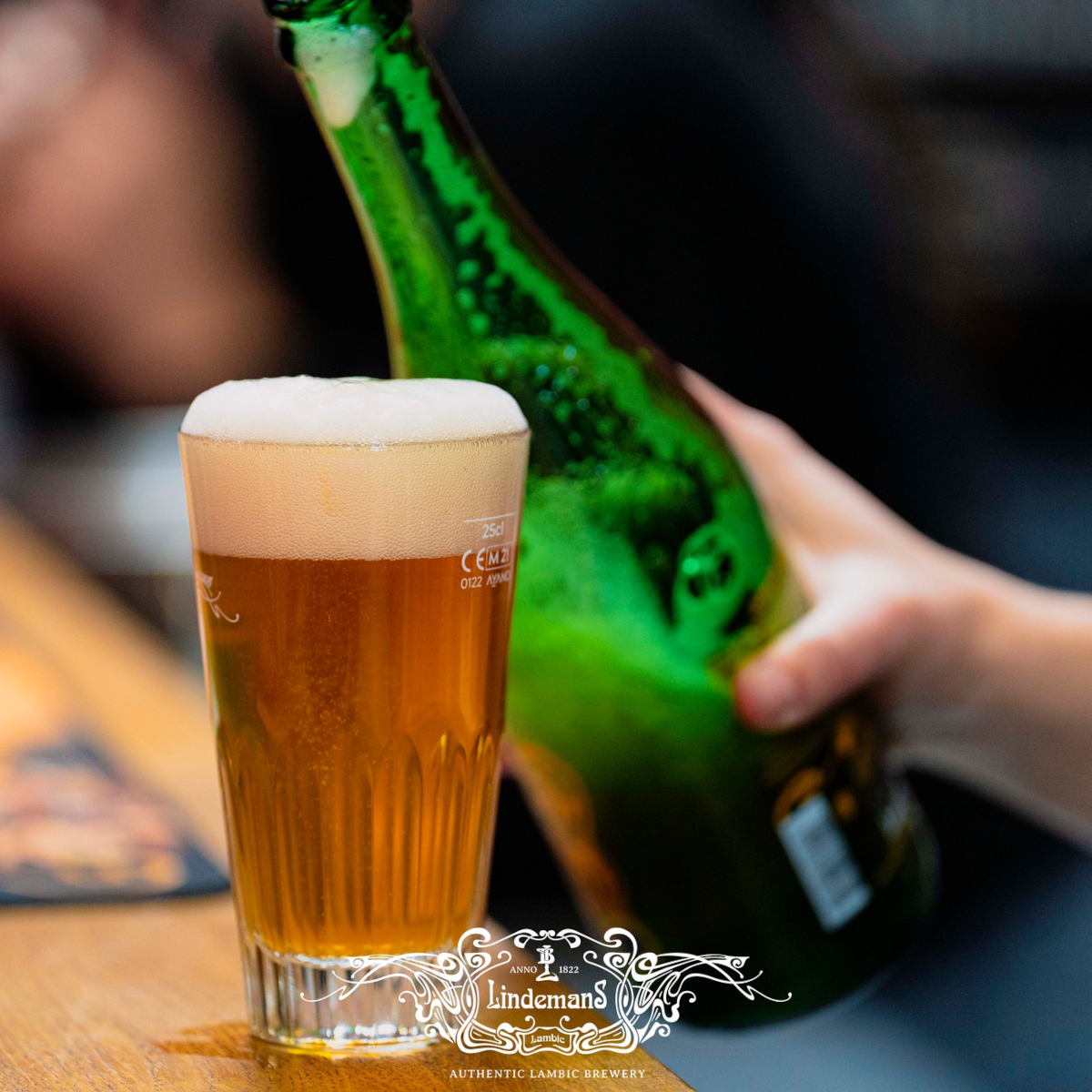
Southwest of Brussels, in the quiet Belgian town of Vlezenbeek, the Lindemans family has been farming and homebrewing as long as anyone can remember. Commercial brewing started in 1822.
Lambic, or spontaneously fermented beers, are the beers of this region and are among the world’s rarest: they are the only beers fermented via wild, airborne yeast – no yeast is added by the brewers. Lambics come only from the Senne River valley, near Brussels – a region about 15 by 75 miles in size. The unusual, demanding, and unique flavors that come from multiple yeast strains are unmatched in the world of beer.
Southwest of Brussels, in the quiet Belgian town of Vlezenbeek, the Lindemans family has been farming and homebrewing as long as anyone can remember. Commercial brewing started in 1822.
Lambic, or spontaneously fermented beers, are the beers of this region and are among the world’s rarest: they are the only beers fermented via wild, airborne yeast – no yeast is added by the brewers. Lambics come only from the Senne River valley, near Brussels – a region about 15 by 75 miles in size. The unusual, demanding, and unique flavors that come from multiple yeast strains are unmatched in the world of beer.
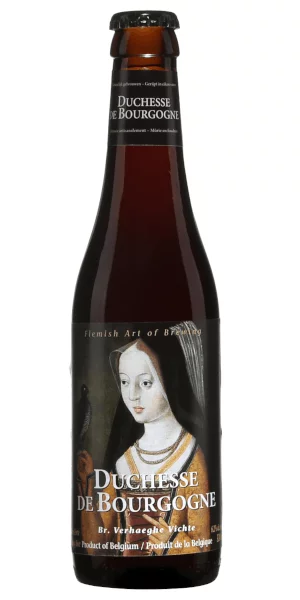
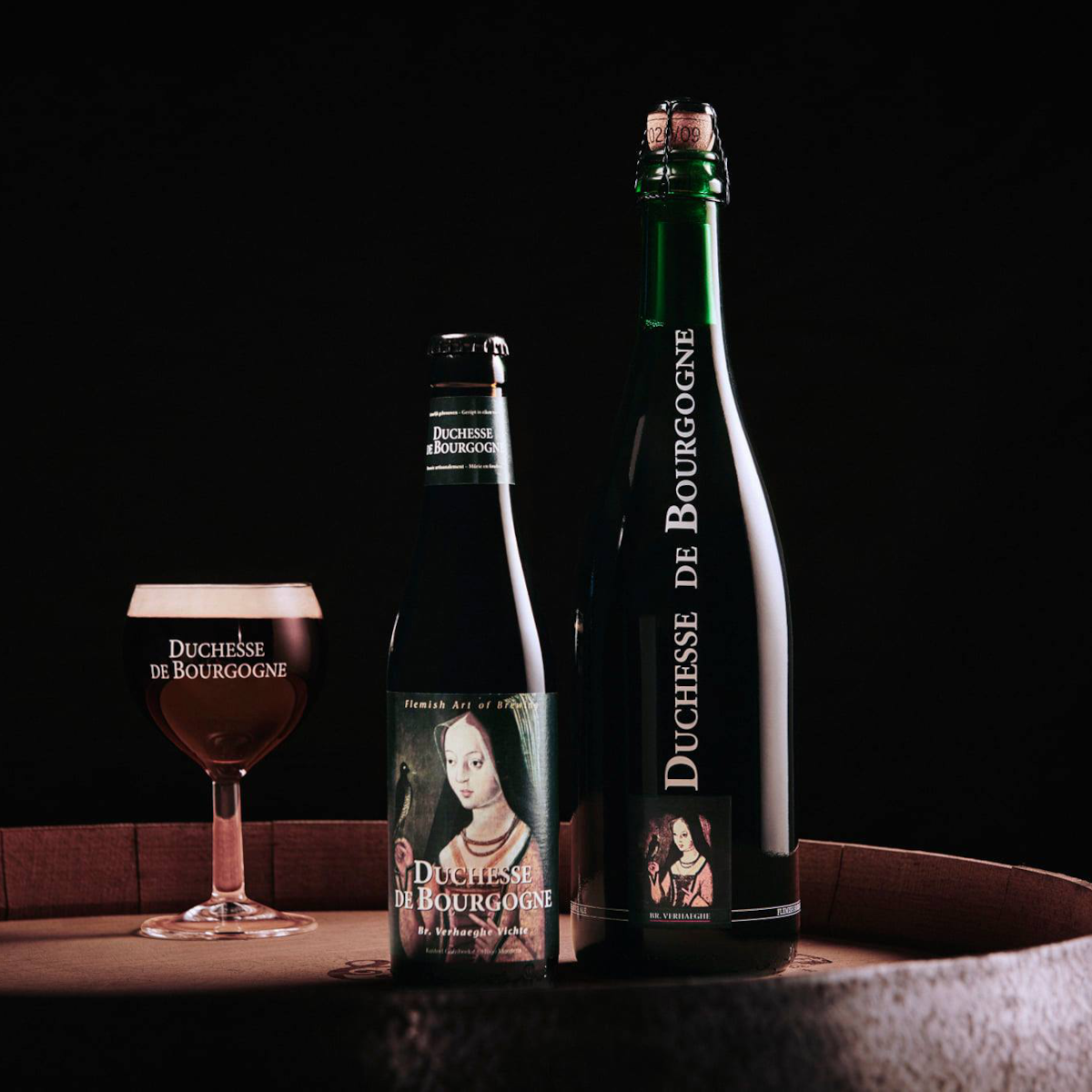
Brewery Verhaeghe is the brewery that produces Duchesse de Bourgogne. They are a small family-owned brewery in the southwest of West Flanders, Belgium. The history of the brewery dates back to 1885.
The Verhaeghe brewery follows one simple rule: do a little less, but do it better. At home in Belgium but also across the globe, beer consumers tend to gravitate more and more towards high quality, unique beers. The flagship beer ‘Duchesse de Bourgogne’ is living proof of this philosophy. This popular red-brown west-flemish ale is brewed according to traditional wild yeast fermentation that this region in Belgium is famous for and additionally matured in oak casks for 8-18 months to ensure the unmistakable full flavour of ‘the Duchesse’.
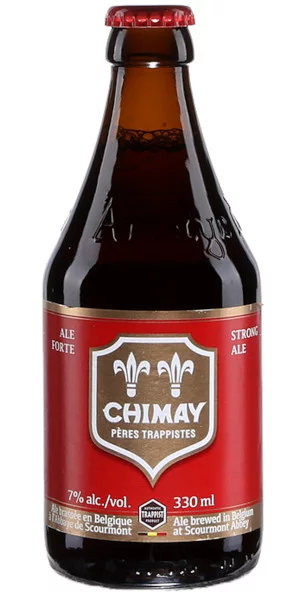
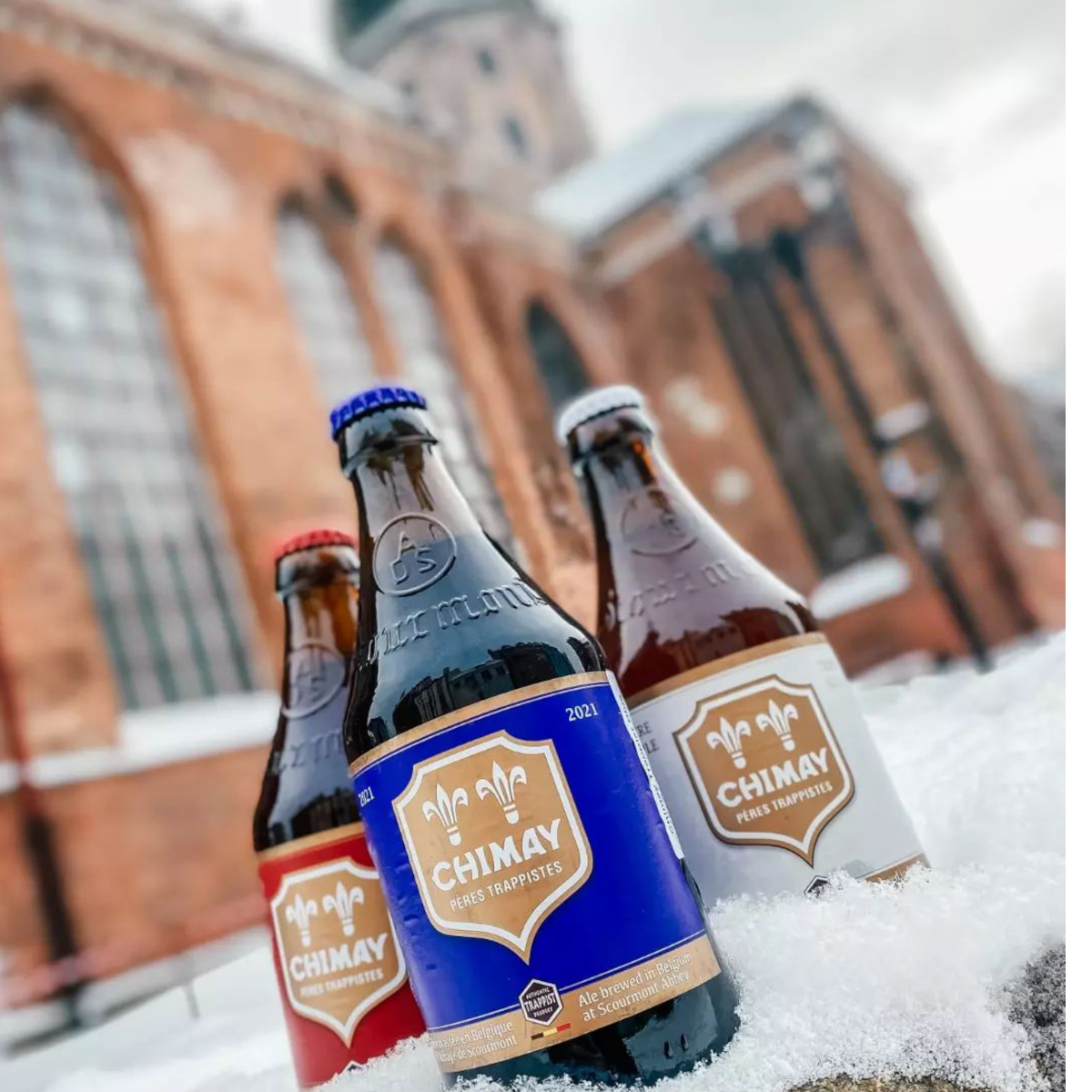
Chimay is the name of the Trappist brewery* that produces beer within the Scourmont abbey, 1km from the French border, and they have been brewing beer since 1862. Losing their copper brewing kettles to the Nazis during the war, the brewery had to restart over, but have since become arguably the most well-known Trappist brewery in the world. Like most Trappist breweries, Chimay has a house yeast culture, some may call a “super-yeast” that can produce exceptionally complex, and elegant styles of beer.
*The term Trappist Brewery relates to beer made within the walls of a Trappist abbey, where the brewing is performed by, or under the supervision of Cistercian monks. There are only a handful of legally defined Trappist breweries in the world.
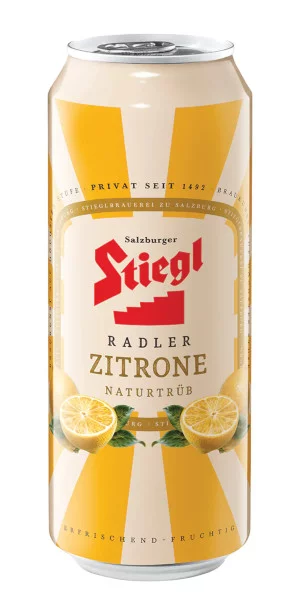
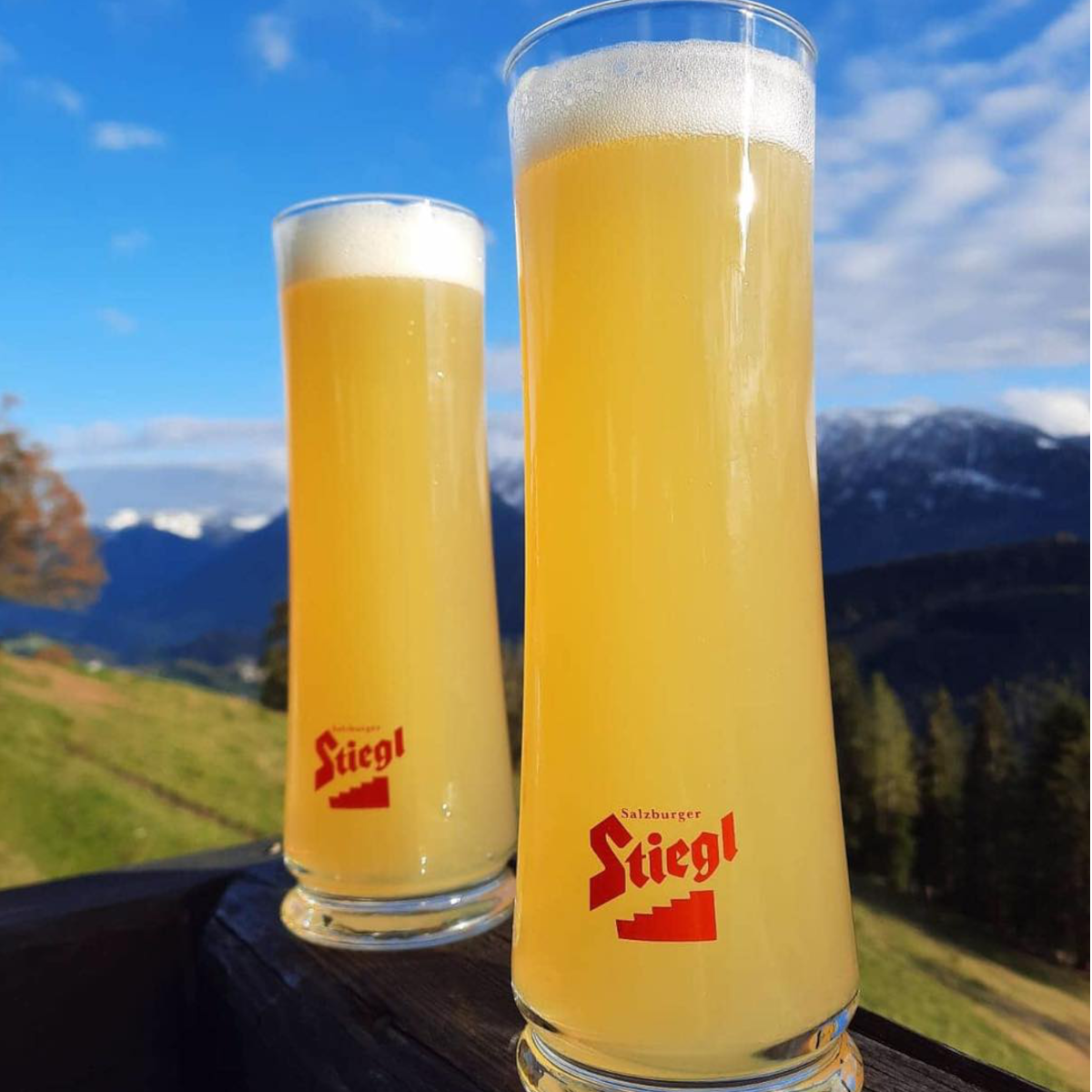
Stiegl is a private brewery with centuries of tradition. Sustainability, regionalism, adding local value and, above all, the quality of their beers and services have been the top priorities for 525 years. However, this quality is only possible because they use nothing but the best locally-sourced ingredients. The values Stiegl has been committed to since the brewery was founded have made them the leading private brewery in Austria.
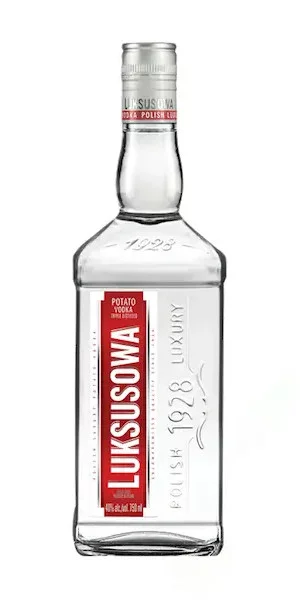
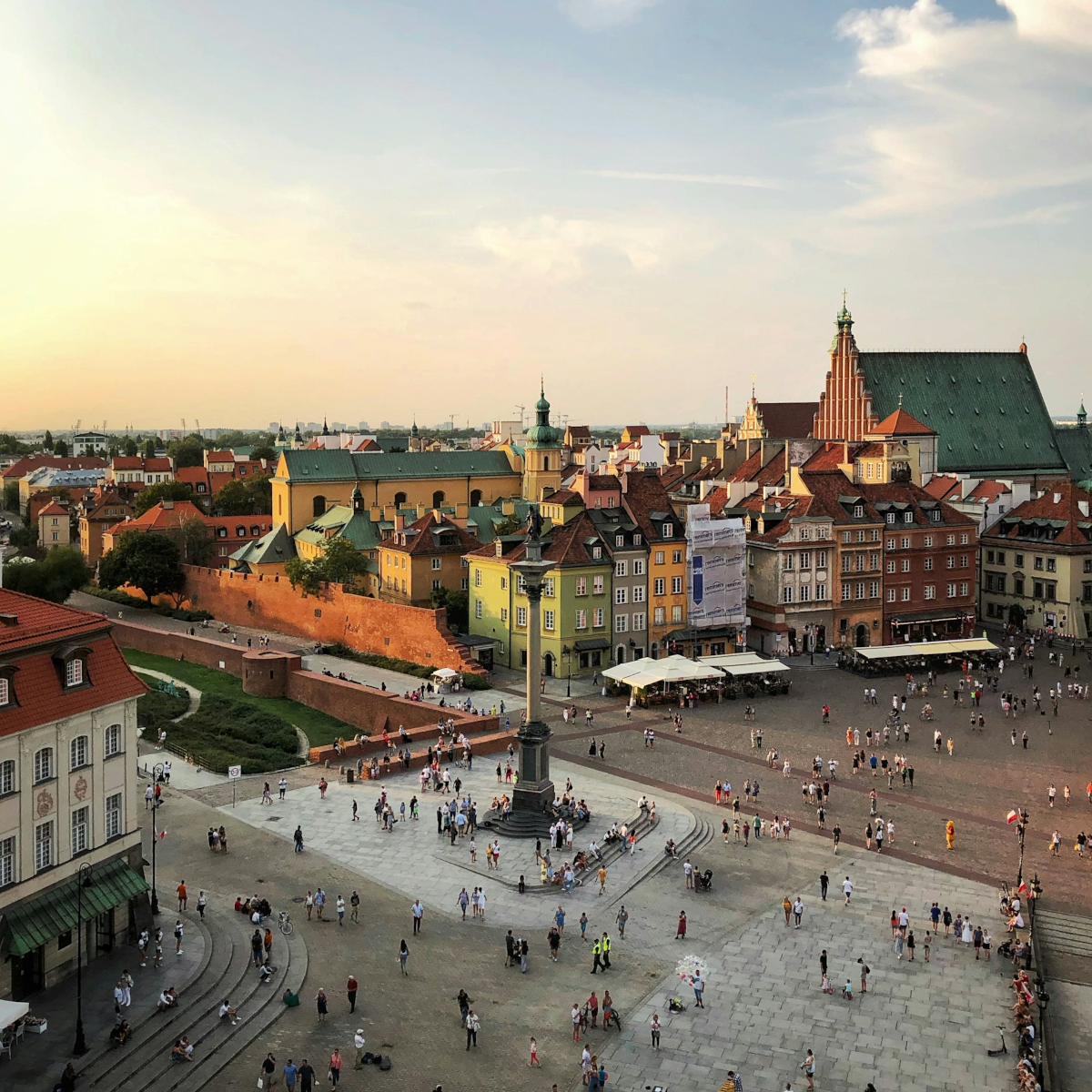
Derived from the Polish word for “luxury”, Luksusowa has been in operation since 1928, making it one of Poland’s oldest vodkas. Now owned by French-based Pernod Ricard, Luksusowa accounts for 10% of the Polish Vodka market.
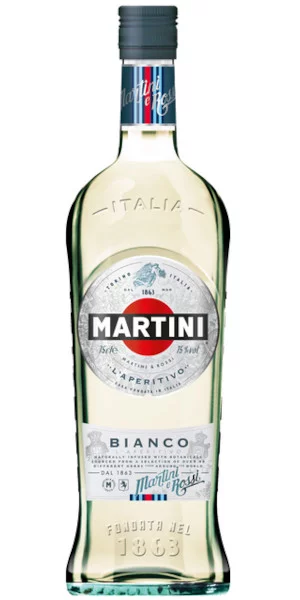
Martini & Rossi is the leading brand of vermouth in the world. Established in 1863, the company soon became dominated by business man, Alessandro Martini and winemaker, Luigi Rossi and it’s name was officially “Martini & Rossi” by 1879.