New + Back in Stock: November 17th, 2023
Wine. Spirits. Beer. Cider. RTD. We always have something interesting for you to discover.
Browse our NEW products this week, plus best sellers that are back in stock:
Wine. Spirits. Beer. Cider. RTD. We always have something interesting for you to discover.
Browse our NEW products this week, plus best sellers that are back in stock:

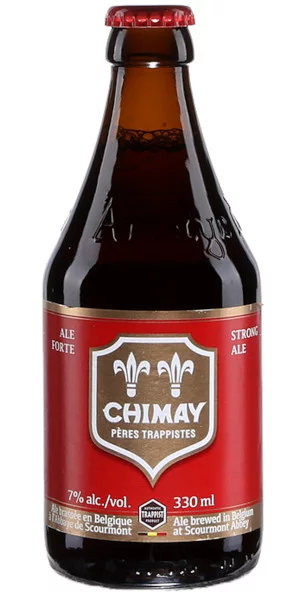
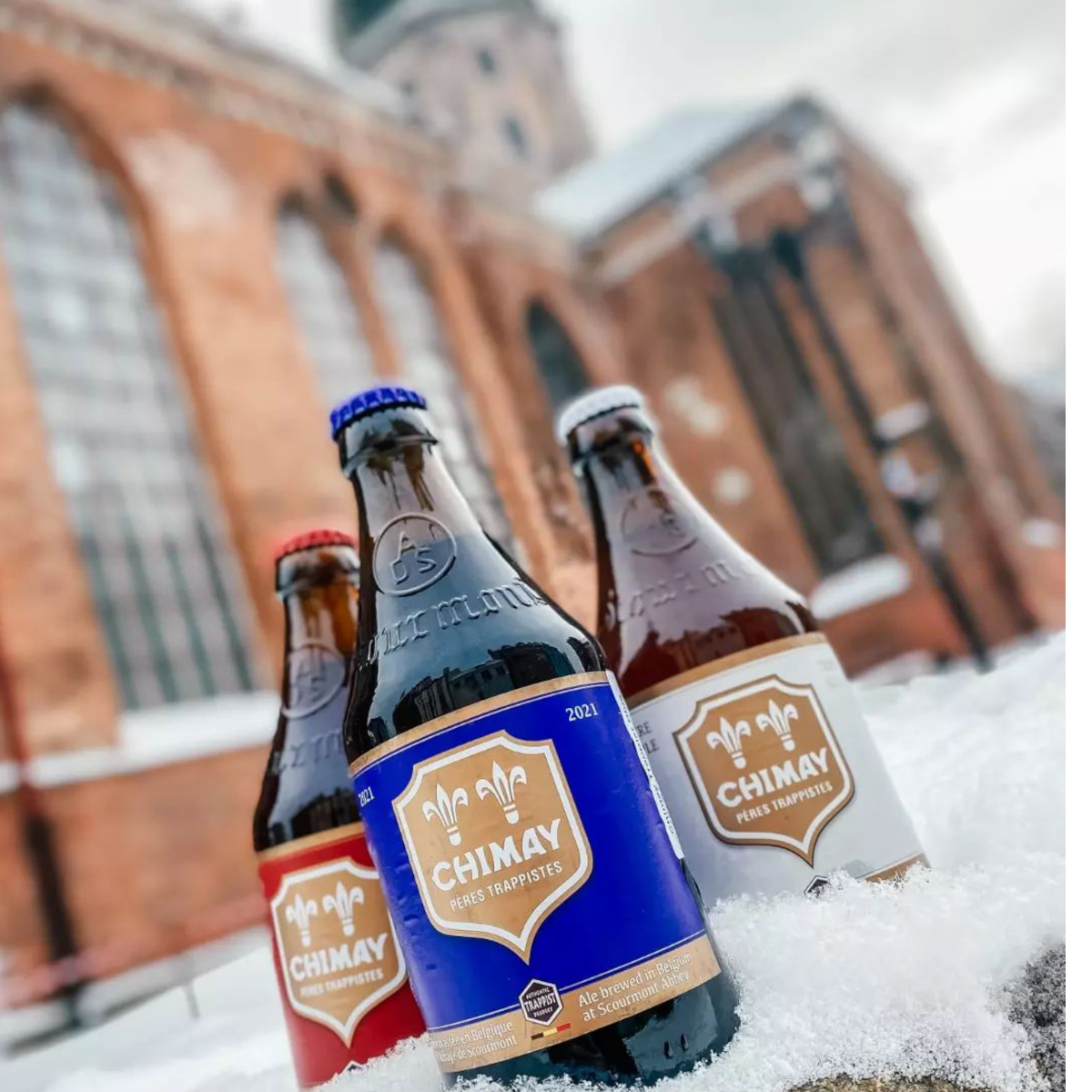
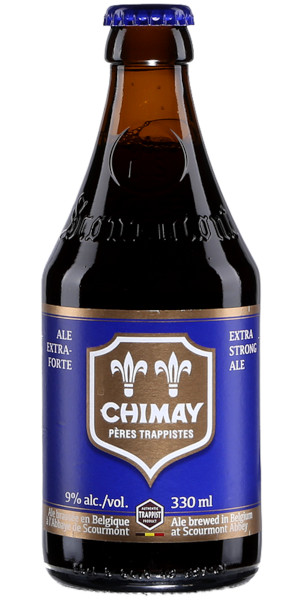
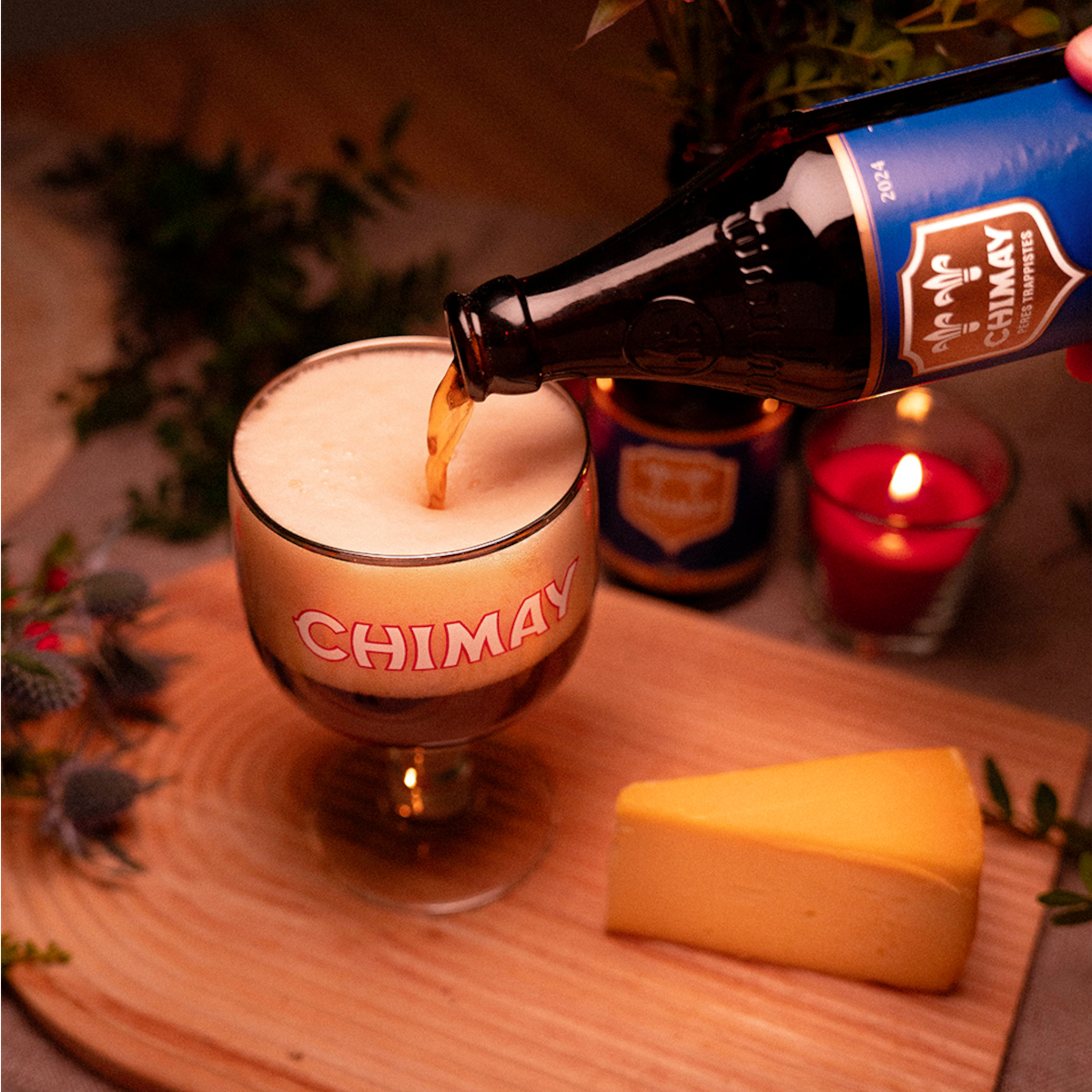
Chimay is the name of the Trappist brewery* that produces beer within the Scourmont abbey, 1km from the French border, and they have been brewing beer since 1862. Losing their copper brewing kettles to the Nazis during the war, the brewery had to restart over, but have since become arguably the most well-known Trappist brewery in the world. Like most Trappist breweries, Chimay has a house yeast culture, some may call a “super-yeast” that can produce exceptionally complex, and elegant styles of beer.
*The term Trappist Brewery relates to beer made within the walls of a Trappist abbey, where the brewing is performed by, or under the supervision of Cistercian monks. There are only a handful of legally defined Trappist breweries in the world.
Chimay is the name of the Trappist brewery* that produces beer within the Scourmont abbey, 1km from the French border, and they have been brewing beer since 1862. Losing their copper brewing kettles to the Nazis during the war, the brewery had to restart over, but have since become arguably the most well-known Trappist brewery in the world. Like most Trappist breweries, Chimay has a house yeast culture, some may call a “super-yeast” that can produce exceptionally complex, and elegant styles of beer.
*The term Trappist Brewery relates to beer made within the walls of a Trappist abbey, where the brewing is performed by, or under the supervision of Cistercian monks. There are only a handful of legally defined Trappist breweries in the world.
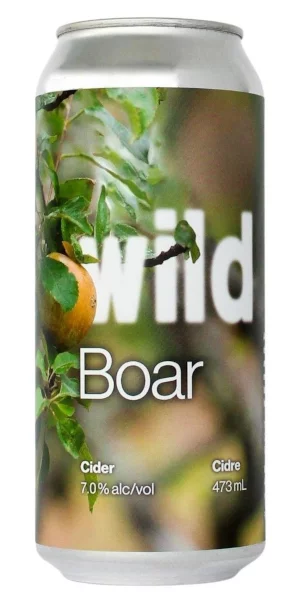
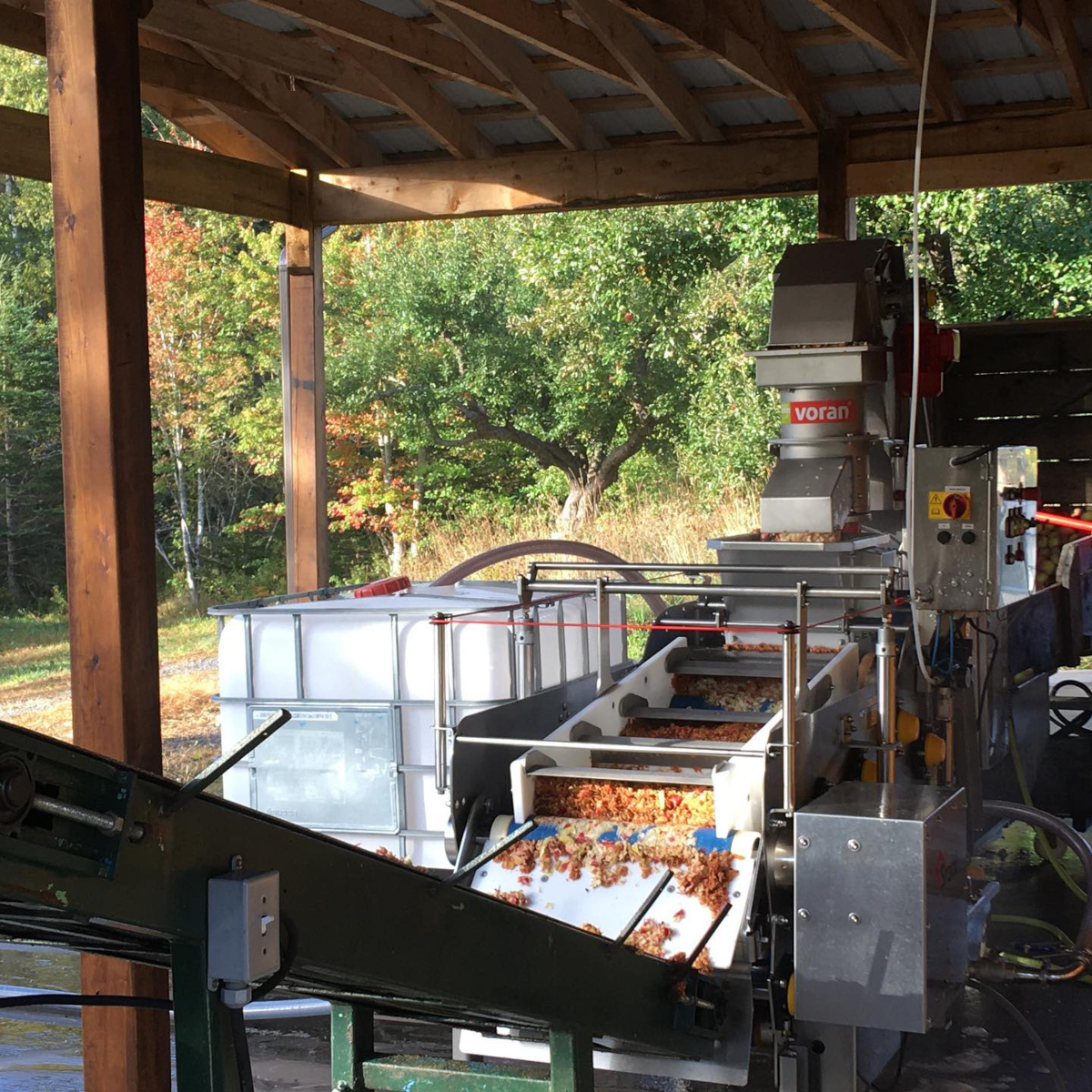
For centuries in the Annapolis Valley, farmers have pressed apples and fermented the juice in cool cellars over many months as a means of preservation and to yield a diverse range of cider refreshments. Wild Wines & Spirits uses native and selected yeasts to ferment pure apple juice, pressed on-site from apples they hand pick themselves. The cider is fermented slowly over the cool winter months, aged in barrels and tanks, then blended and bottled the following year.
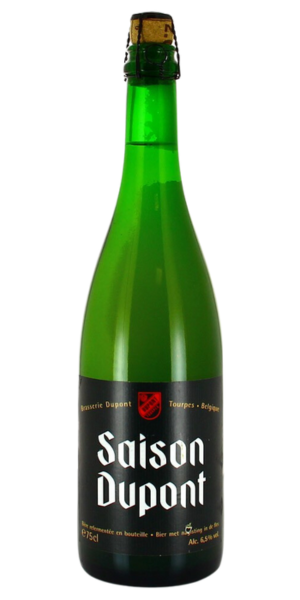
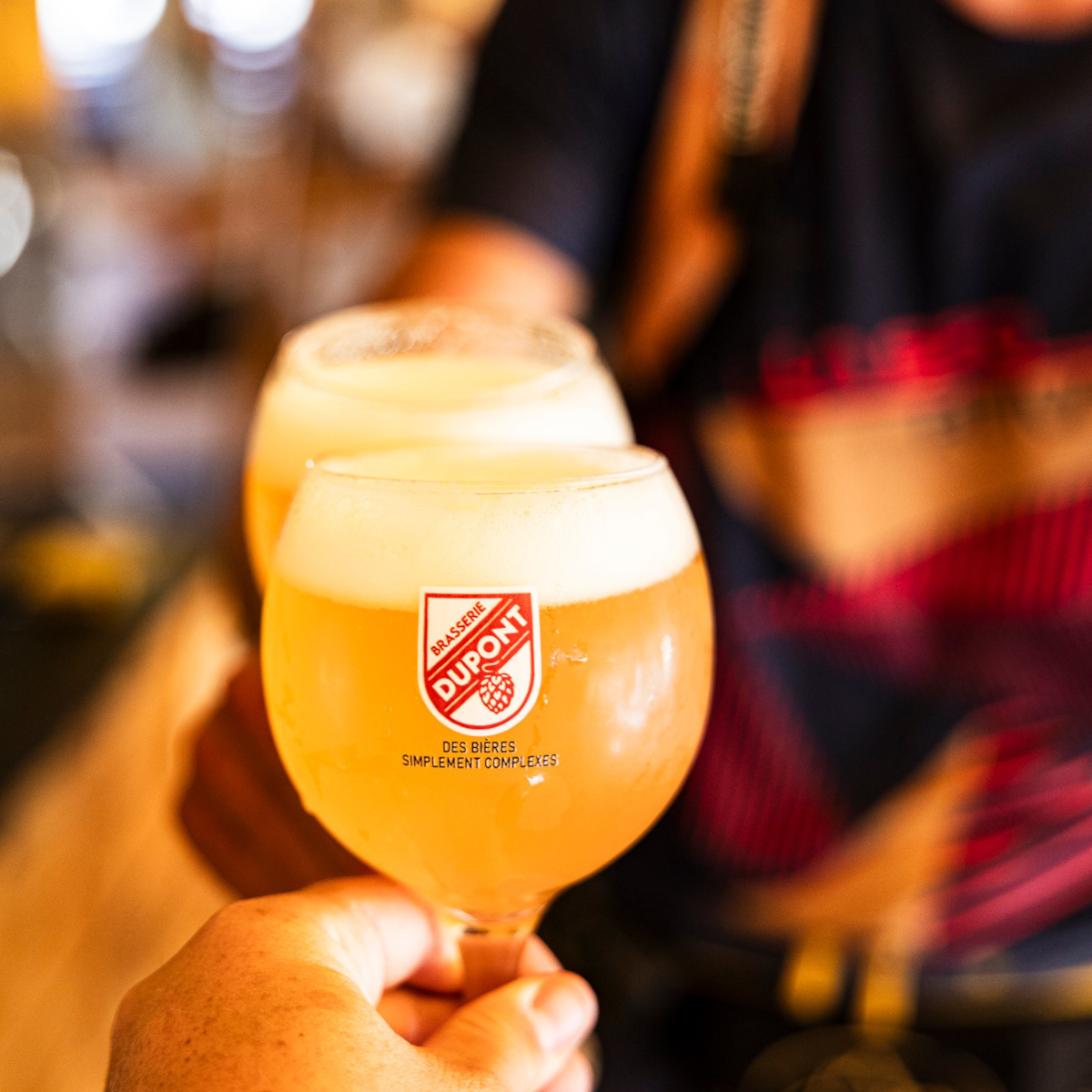
Just 10km from France in the Wallonian region of Belgium lies Brasserie Dupont. They started as a farm in 1759, and became a farm brewery in 1844. Oliver Dedeycker is 4th generation owner of Dupont, and has been committed to maintaining the time tested methods of producing this beer. From the old gas burner under the boil kettle, the open square fermentation tanks, and laying the bottles on their side for secondary fermentation (much like traditional method sparkling wine), Brasserie Dupont continues to make some of the worlds utmost benchmark farmhouse ales.
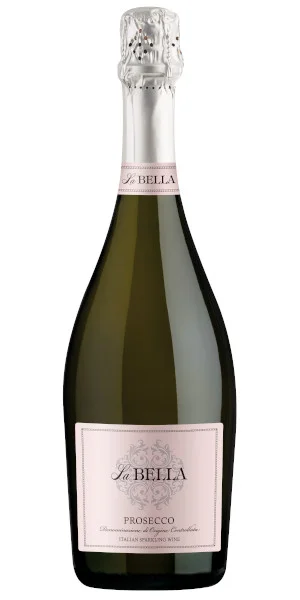
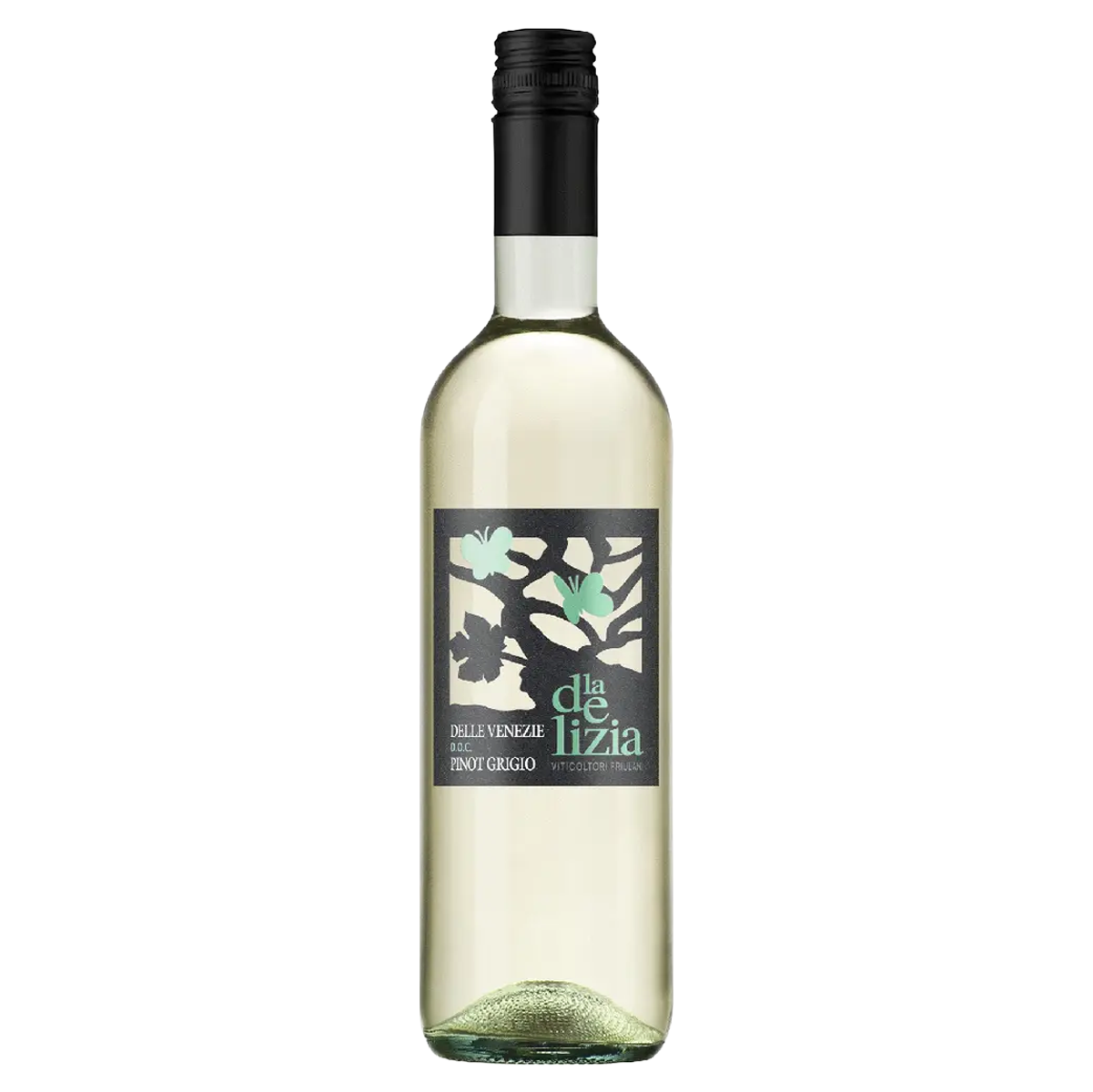
La Bella Prosecco is a brand of La Delizia. La Delizia was established in 1931 as a Cantina Sociale Cooperativa. Today, Viticoltori Friulani La Delizia is the largest wine-making facility of the Region Friuli Venezia Giulia. The production area includes a wide surface on the plain of the Friuli region, a land well-known for its profound winemaking expertise, the nature of the soil and the particularly mild climate have contributed to create the best conditions for grape growing.
Prosecco can be produced in Friuli in addition to Veneto. In fact the town by the name of Prosecco is located in Friuli. Prosecco is an an interregional appellation shared with the more famous Prosecco producing region of Veneto. These areas are rich in history and have a strong wine-growing tradition; Prosecco consumption and production has increased over the years and brands like La Bella produce classic and affordable versions of this beloved Italian sparkling wine.
La Delizia was established in 1931 as a Cantina Sociale Cooperativa. Today, Viticoltori Friulani La Delizia is the largest wine-making facility of the Region Friuli Venezia Giulia. They have 450 members, 2000 hectares of vines and produce on average 23 million bottles of wine per year. The production area includes a wide surface on the plain of the Friuli Region. In this land, well-known for its profound winemaking expertise, the nature of the soil and the particularly mild climate have contributed to create the best conditions for the vine growth.
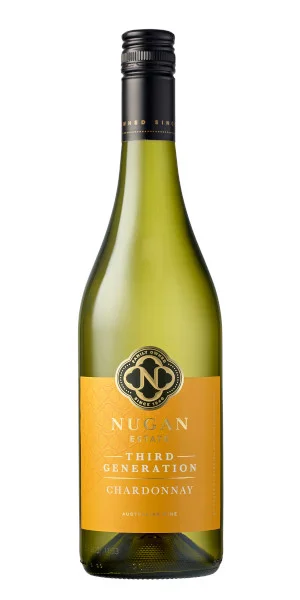
The story of Nugan Estate spans over 80 years, three generations, and displays determination, passion and grit. In 1938, Alfredo and Annelise Nugan fled their home village of Alcira, Spain and migrated to Australia. As immigrants they brought with them aspects of European culture including the enjoyment of wine. Nugan Estate completed their first commercial vintage in 2000. The family built a state-of-the-art winery that was completed in 2002, sourcing wine grapes from premium vineyards in the Riverina, King Valley, Langhorne Creek, Coonawarra, McLaren Vale, and Wrattonbully regions.
Today, Nugan Estate is owned and operated by Alfredo and Annelise’s grandson, Matthew Nugan. Matthew maintains the family traditions and shares their passion for good wine. Matthew has been integral in the growth of the family business since 1984.
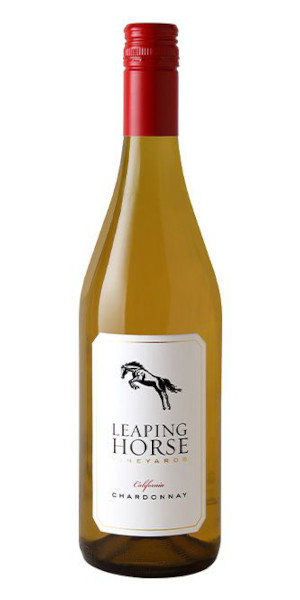
Ironstone Vineyards, the producer of Leaping Horse, is known for owning and operating several leading US wine brands. In addition to vineyards in the Sierra Foothills, Ironstone draws on the production from its Lodi appellation vineyards—some 4,500 acres (18 km2) in all.
Born from a love of horses, Leaping Horse is aptly named. The Kautz family have been involved in many generations of riders and are passionate about their equine friends and partners. From an artist rendition to today’s look, Leaping Horse is about unpretentious and contemporary wine styles.
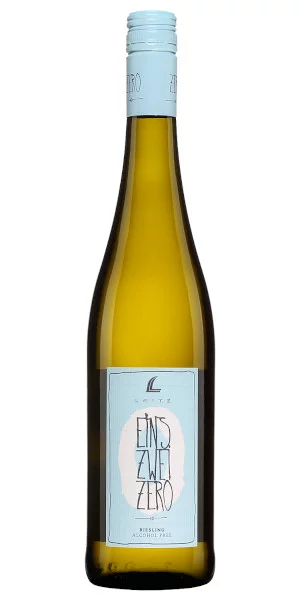
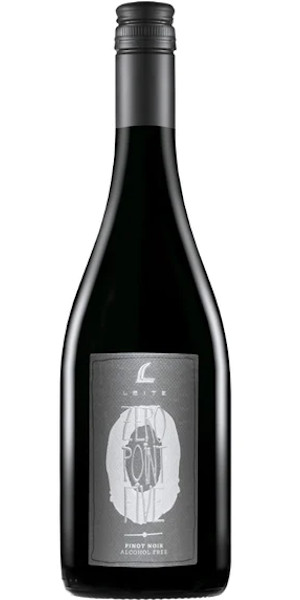
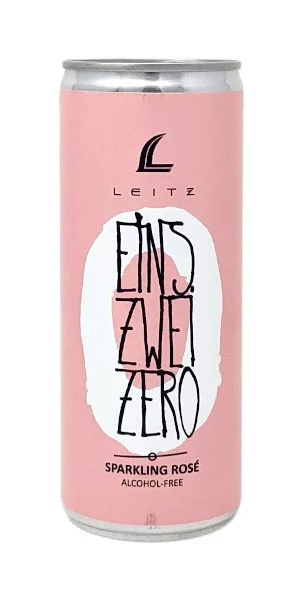
The Leitz family has a history in winemaking as far back as 1744. In 1985 Johannes Leitz took over the family winery in Rudesheim and has grown the estate from 2.9 hectares to 40 hectares and has gained national and international recognition for his wines all while staying true to his root. He worked closely with the Ministry of Environment to restore traditional terraces above Rudesheim in the Berg Rottland and Berg Kaisersteinfels vineyards. The impressively steep Leitz vineyards are blessed with 100% southern exposure, thus ensuring optimal ripening and good drainage which is needed for these complex and mineral driven wines.
This is a non-alcoholic wine that shines all year round as an alcohol-free companion for every festive occasion.
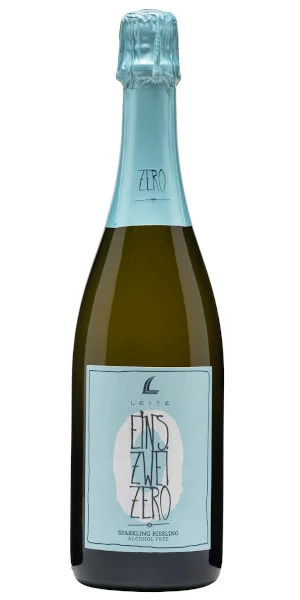
The Leitz family has a history in winemaking as far back as 1744. In 1985 Johannes Leitz took over the family winery in Rudesheim and has grown the estate from 2.9 hectares to 40 hectares and has gained national and international recognition for his wines all while staying true to his root. He worked closely with the Ministry of Environment to restore traditional terraces above Rudesheim in the Berg Rottland and Berg Kaisersteinfels vineyards. The impressively steep Leitz vineyards are blessed with 100% southern exposure, thus ensuring optimal ripening and good drainage which is needed for these complex and mineral driven wines.
This is a non-alcoholic wine that shines all year round as an alcohol-free companion for any occasion.
The Leitz family has a history in winemaking as far back as 1744. In 1985 Johannes Leitz took over the family winery in Rudesheim and has grown the estate from 2.9 hectares to 40 hectares and has gained national and international recognition for his wines all while staying true to his root. He worked closely with the Ministry of Environment to restore traditional terraces above Rudesheim in the Berg Rottland and Berg Kaisersteinfels vineyards. The impressively steep Leitz vineyards are blessed with 100% southern exposure, thus ensuring optimal ripening and good drainage which is needed for these complex and mineral driven wines.
This is a non-alcoholic wine that shines all year round as an alcohol-free companion for every festive occasion.
The Leitz family has a history in winemaking as far back as 1744. In 1985 Johannes Leitz took over the family winery in Rudesheim and has grown the estate from 2.9 hectares to 40 hectares and has gained national and international recognition for his wines all while staying true to his root. He worked closely with the Ministry of Environment to restore traditional terraces above Rudesheim in the Berg Rottland and Berg Kaisersteinfels vineyards. The impressively steep Leitz vineyards are blessed with 100% southern exposure, thus ensuring optimal ripening and good drainage which is needed for these complex and mineral driven wines.
This is a non-alcoholic wine that shines all year round as an alcohol-free companion for every festive occasion.
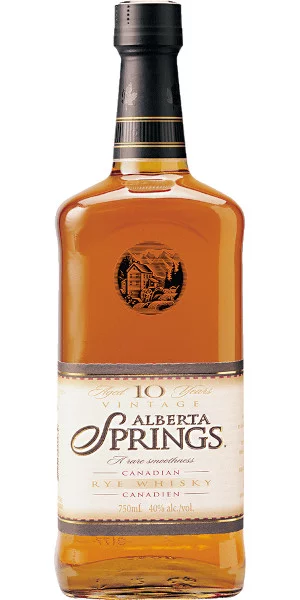
Alberta Springs 10 year old is made by Alberta Distillers in Calgary. Alberta Distillers was founded in 1946 with a simple goal in mind: to make enjoyable whiskey at a price anyone could afford.
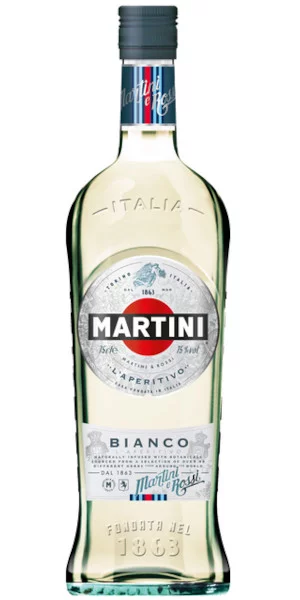
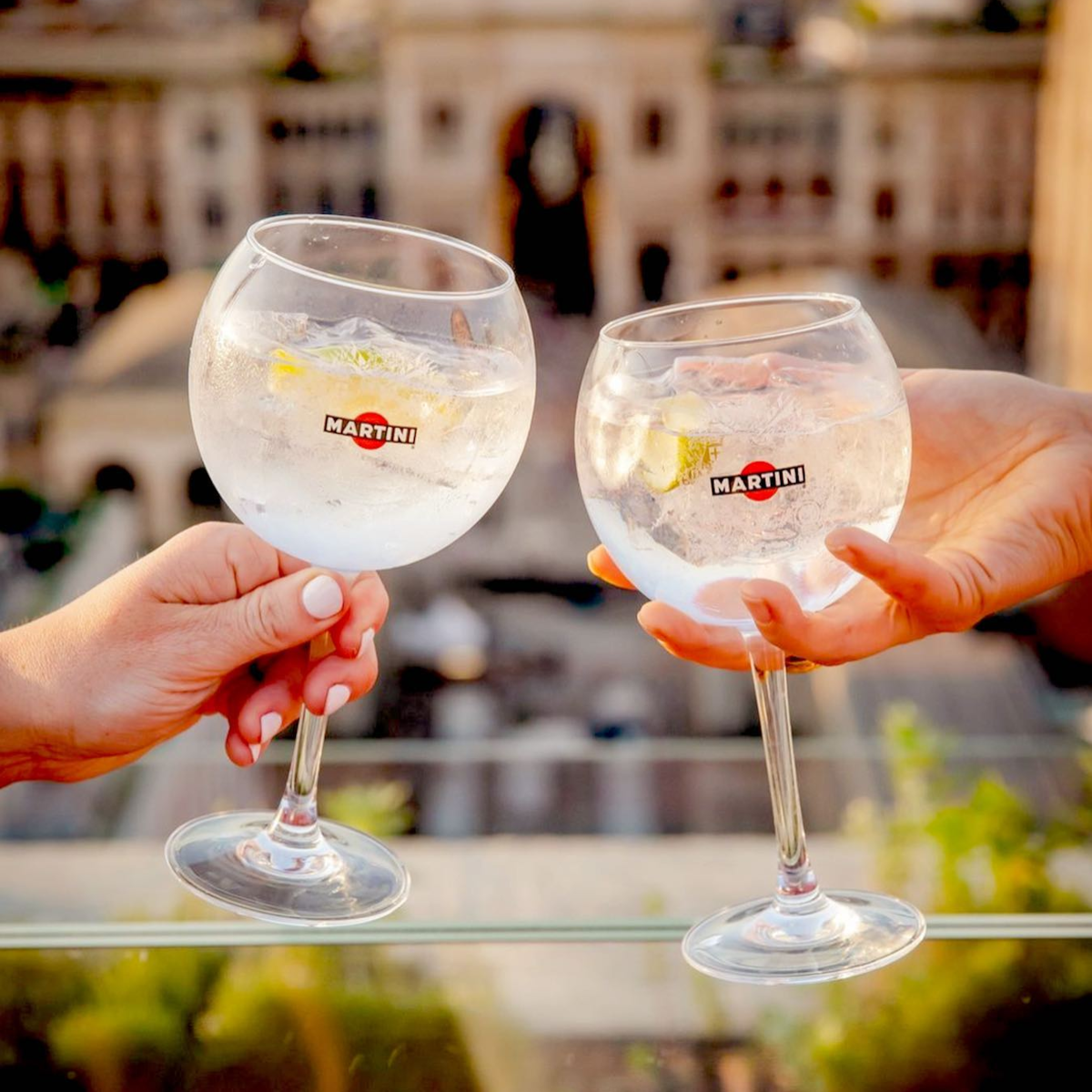
Martini & Rossi is the leading brand of vermouth in the world. Established in 1863, the company soon became dominated by business man, Alessandro Martini and winemaker, Luigi Rossi and it’s name was officially “Martini & Rossi” by 1879.