New + Back in Stock: December 22nd, 2023
Wine. Spirits. Beer. Cider. RTD. We always have something interesting for you to discover.
Browse our NEW products this week, plus best sellers that are back in stock:
Wine. Spirits. Beer. Cider. RTD. We always have something interesting for you to discover.
Browse our NEW products this week, plus best sellers that are back in stock:
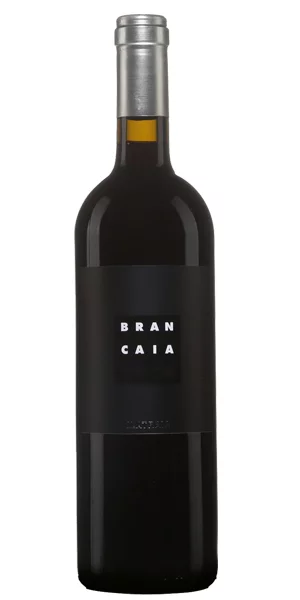
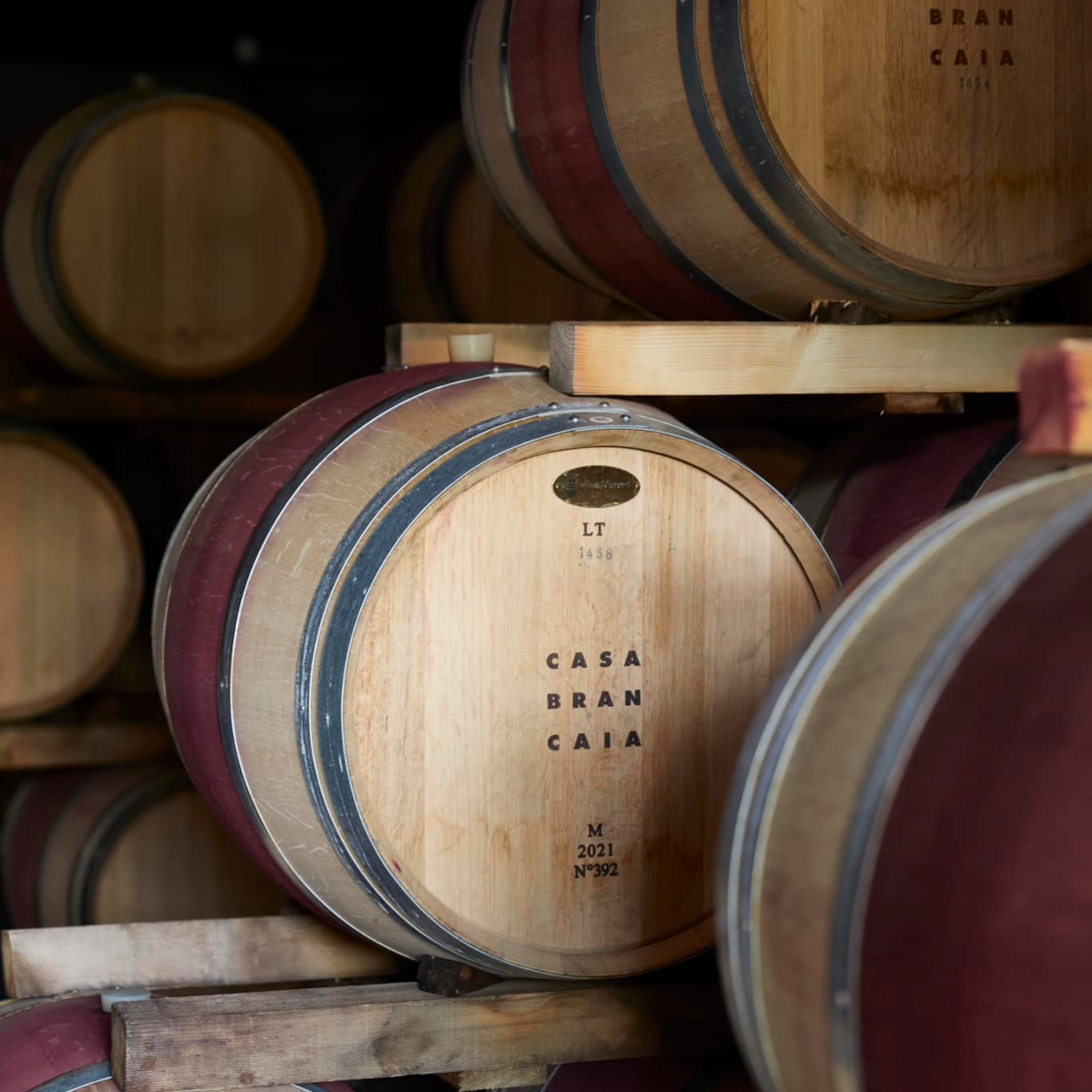
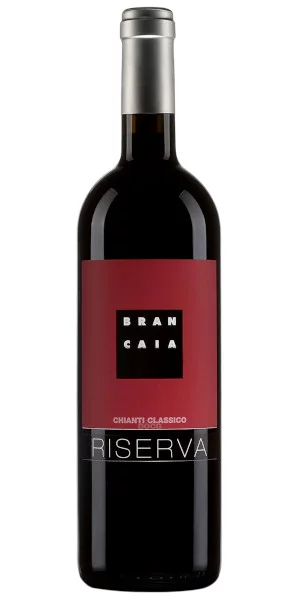
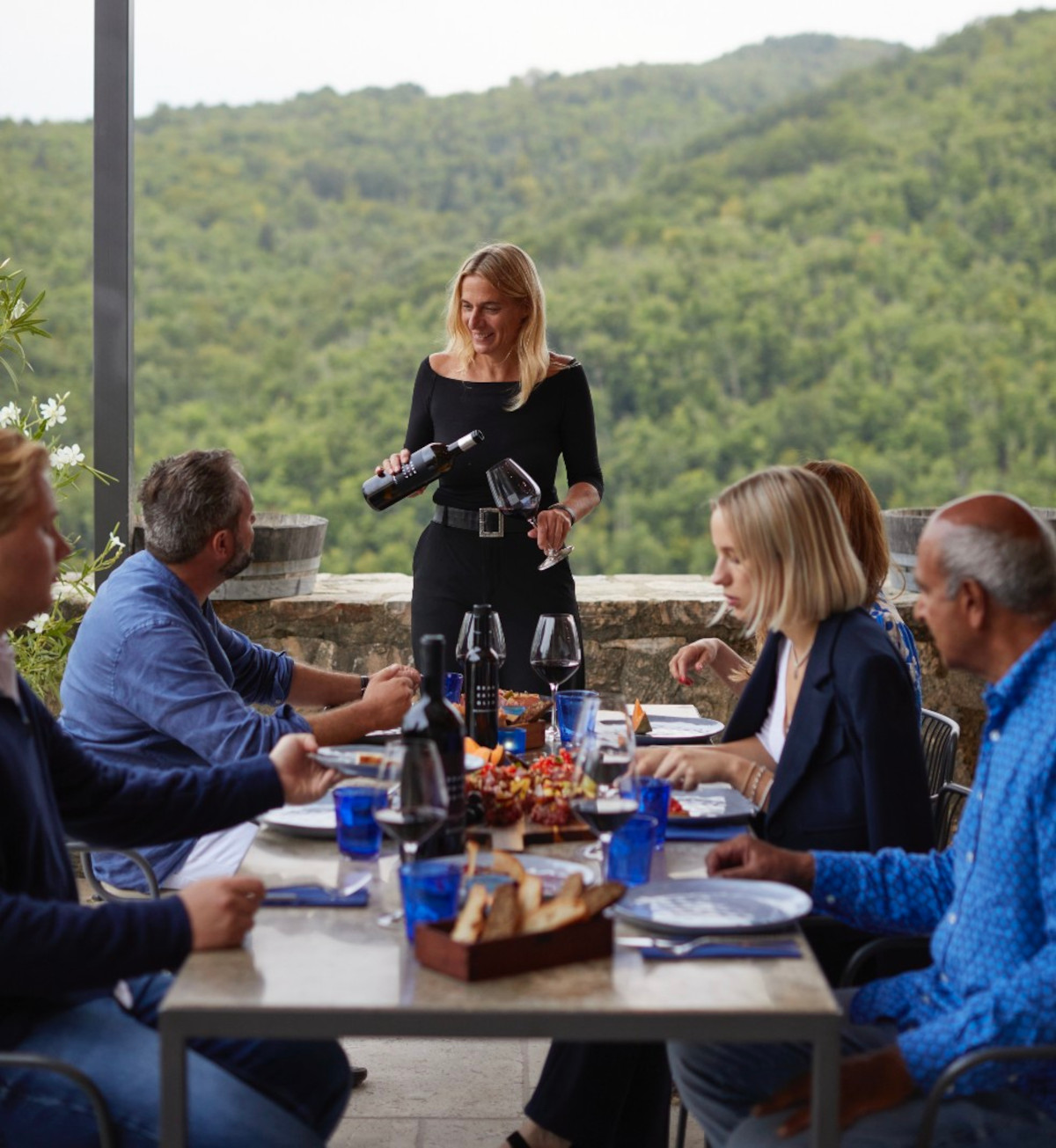
Purchased in 1981 by Swiss couple Brigitte and Bruno Widmer, the original estate sitting atop the Brancaia hill, it was initially a place for their family to visit on holiday. The 20 ha site sported a house in desperate need of renovations and 4 ha of vineyards; a well-protected plot surrounding by deep woods, free from any neighbouring vineyards that have been sprayed with chemicals.
After their Chianti Classico (1983) won a blind tasting in 1986, it wasn’t soon after that the Widmer’s bought 53 ha more, located in Radda. During that time, their famous Il Blu was produced- a blend of Sangiovese, Cabernet Sauvignon, and Merlot. This blend didn’t meet the requirements and/or guidelines to be classified as Chianti Classico and the Widmer family found themselves part of the Super Tuscan movement, a label eventually granted by the Italian government in 1992 known as: Toscana IGT.
Purchased in 1981 by Swiss couple Brigitte and Bruno Widmer, the original estate sitting atop the Brancaia hill, it was initially a place for their family to visit on holiday. The 20 ha site sported a house in desperate need of renovations and 4 ha of vineyards; a well-protected plot surrounding by deep woods, free from any neighbouring vineyards that have been sprayed with chemicals.
After their Chianti Classico (1983) won a blind tasting in 1986, it wasn’t soon after that the Widmer’s bought 53 ha more, located in Radda. During that time, their famous Il Blu was produced- a blend of Sangiovese, Cabernet Sauvignon, and Merlot. This blend didn’t meet the requirements and/or guidelines to be classified as Chianti Classico and the Widmer family found themselves part of the Super Tuscan movement, a label eventually granted by the Italian government in 1992 known as: Toscana IGT.
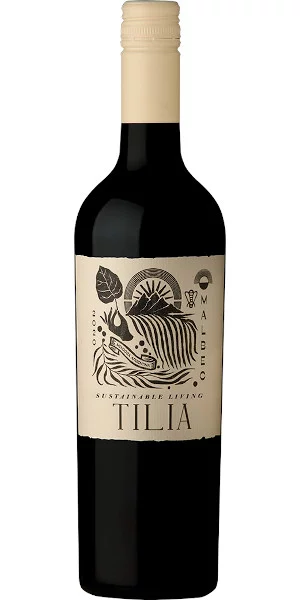
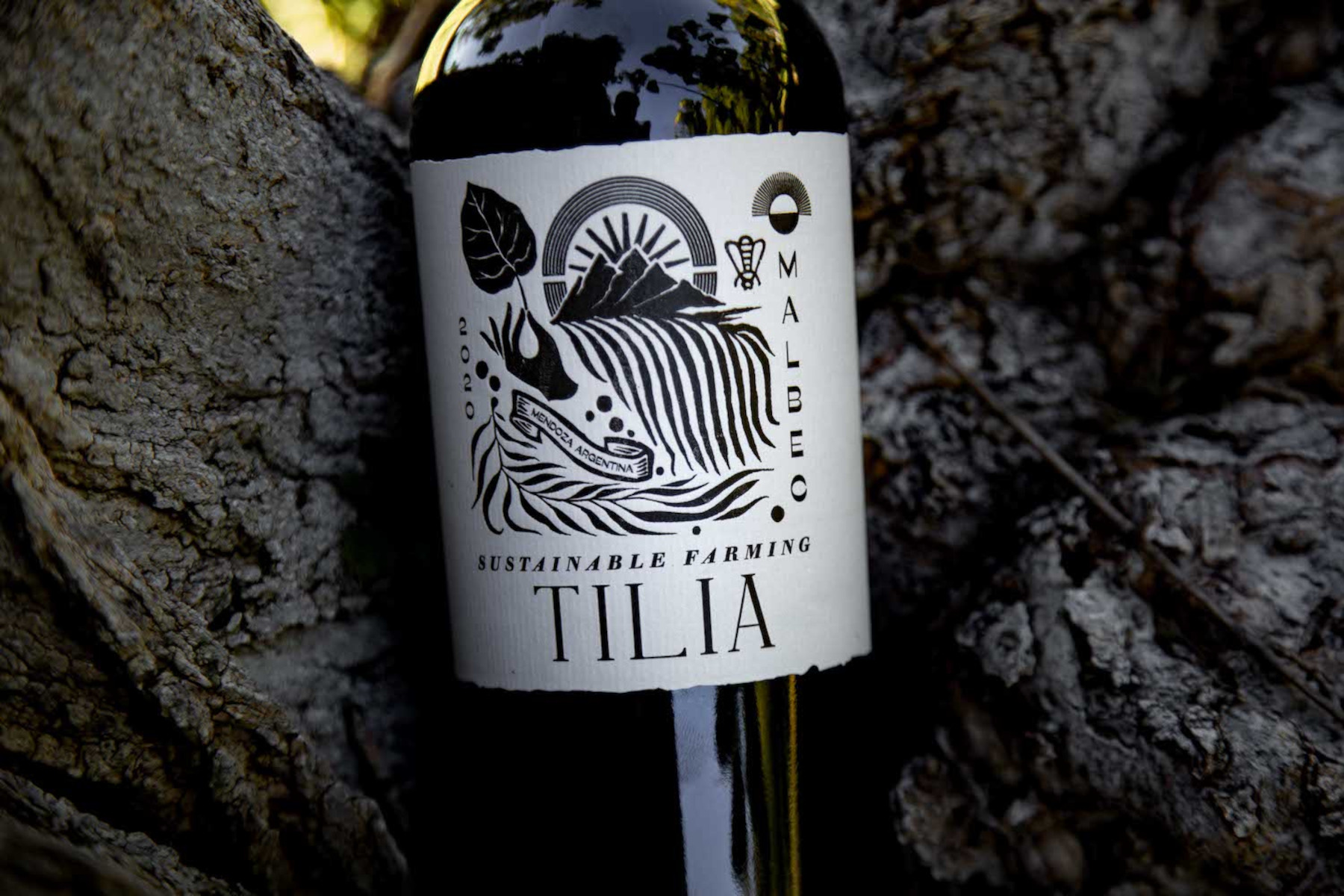
Tilia wines reflect the company’s values to honor tradition, support the community and respect nature. They preserve and nurture plants, insects, and animals so that the vineyards can adapt to a changing environment with the goal of sustaining the land for generations to come. They employ traditional farming practices and take pride in the fact that their vineyards are planted with ungrafted vines.
The Tilia or Tilo tree, is the wine label’s namesake, although not a native species to Argentina, it has adapted well to Mendoza because it tolerates the region’s drought and mountain cold. The leaves are made into a calming tea which is traditionally drunk after lunch or dinner, to facilitate an afternoon siesta or bedtime.
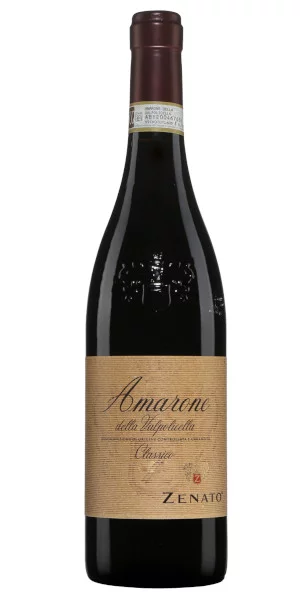
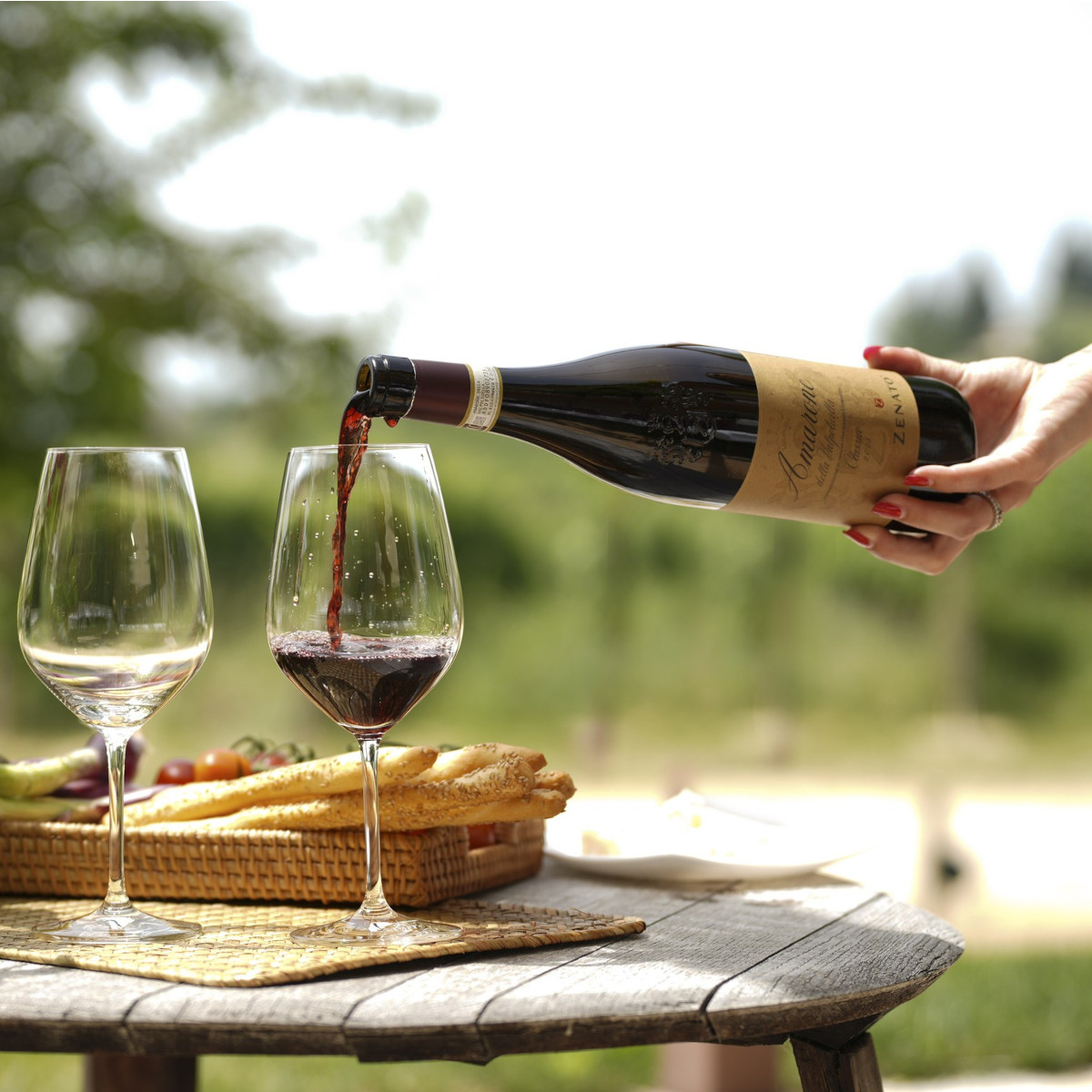
Zenato is a historic and well respected name in Northern Italy’s Veneto region. Sergio Zenato started the winery in 1960 and today the family tradition in winemaking is carried on by his children Alberto and Nadia. The estate produces a range of white and red wines.
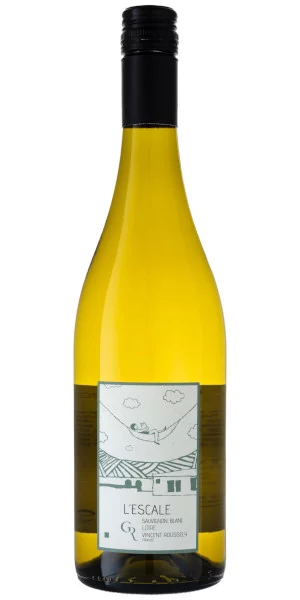
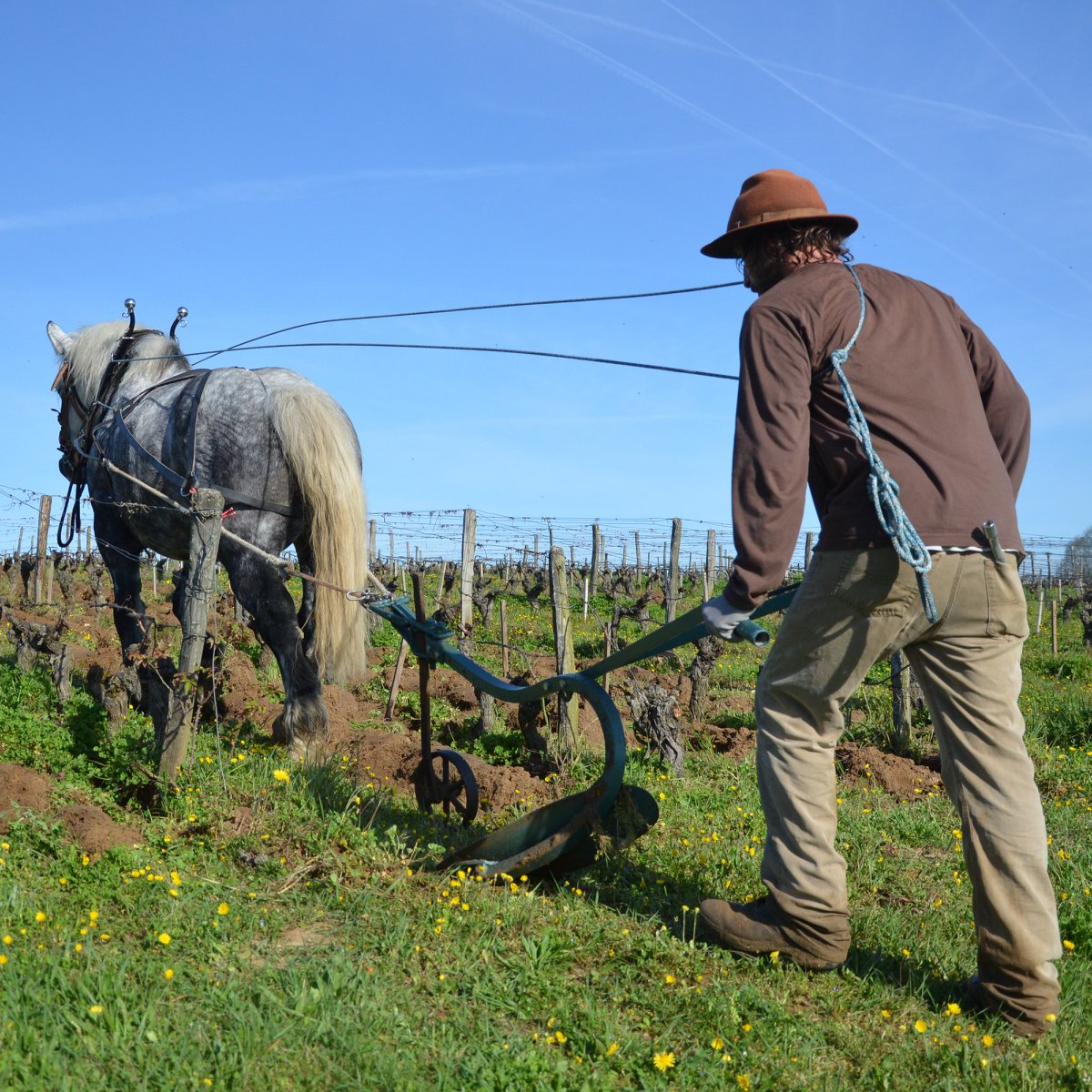
Vincent Roussely is the fourth-generation winemaker at his family’s beautiful 8-hectare vineyard site in the heart of Chenonceaux, in the village of Angé on the Cher River, in the Loire Valley. The vineyards have been certified organic since 2007. He even transitioned vineyard work from machine and horse to doing all everything by hand in order to have the least impact on the soil, vines and grapes which he believes greatly improved the quality of the wines.
Without the influence of Penfolds, the modern Australian wine industry would look very different indeed. Sitting comfortably outside of fad and fashion, Penfolds has taken Australian wine to the world on a grand stage and forged a reputation for quality that is without peer.
Penfolds’ reputation for making wines of provenance and cellaring potential might suggest a mantle of tradition and formality is the preferred attire of a company with so much history to defend. But to label Penfolds as simply an established and conventional winemaker, would be to confuse tradition with consideration and to overlook the innovative spirit that has driven Penfolds since its foundation, and continues to find expression in modern times.
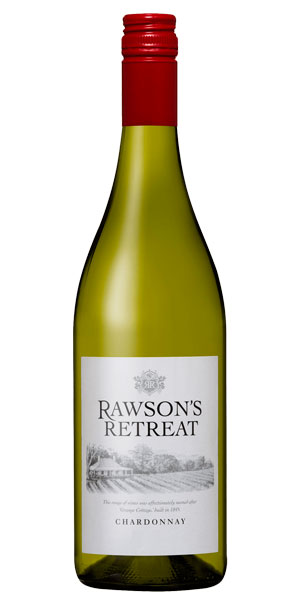
The Rawson’s Retreat range of wines was named after the founder’s family cottage which was built in 1845, one year after he planted his first vineyard on the property.
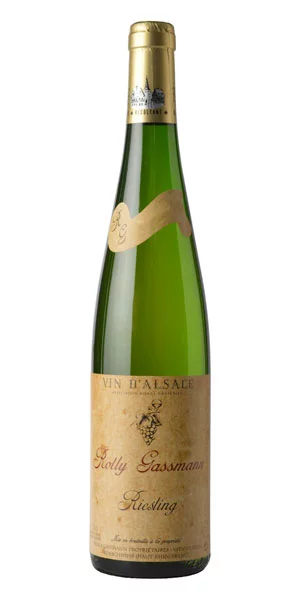
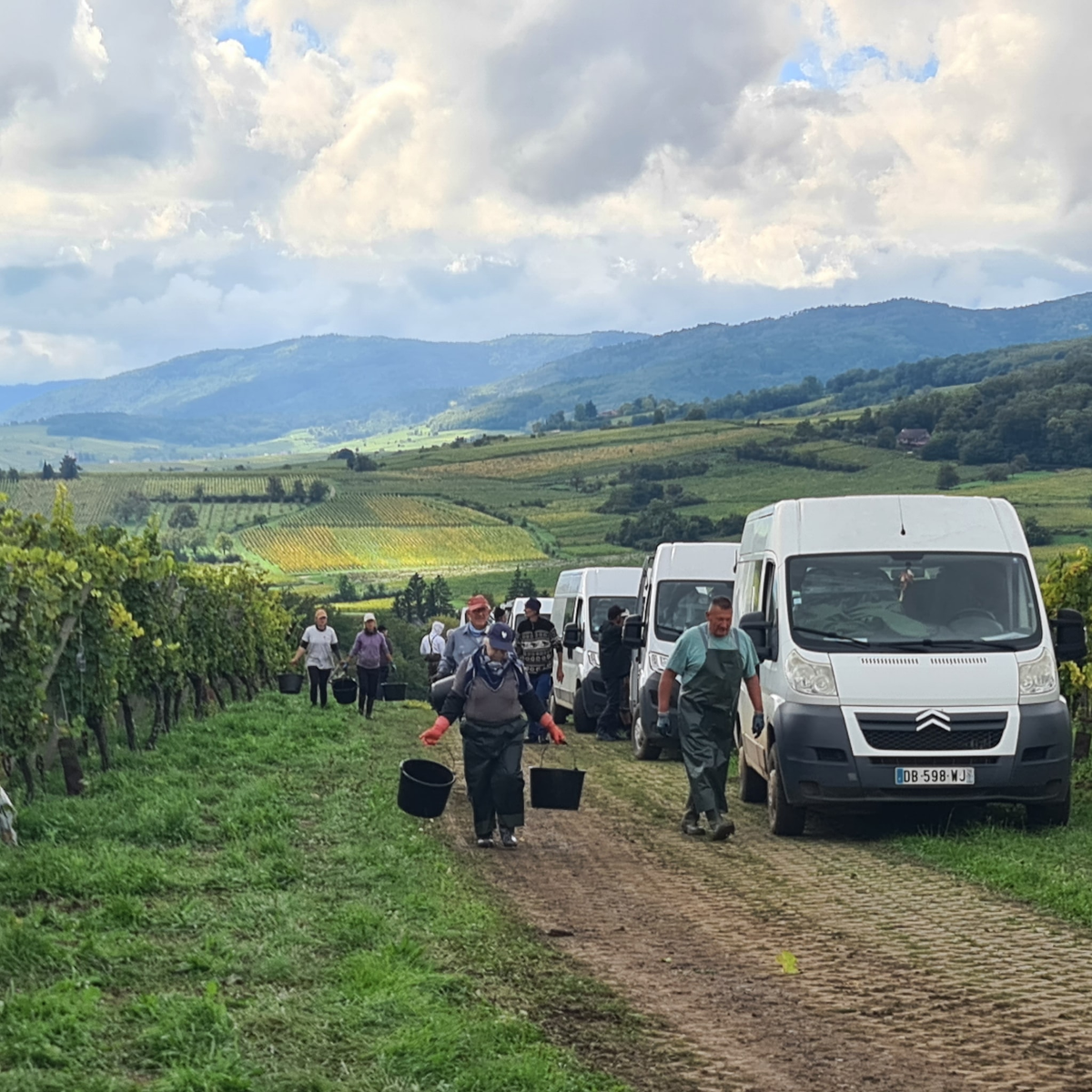
The Gassmann family has been making wine in the village of Rorschwihr since 1661. The current domaine name dates to the 1967 marriage of Marie-Therese Rolly and Louis Gassmann. Today the estate is largely managed by their son Pierre Gassmann. With 126 acres under vine and vast cellars extending six stories deep under their hillside and capable of holding a million bottles of wine, Domaine Rolly-Gassman makes some of the most compelling wines in Alsace. In 1997 they added a biodynamic philosophy to their traditional ongoing approach of minimal interference with the vines. Pierre has an in-depth knowledge of estate’s terroir (a complex mosaic of limestone and marls), focuses on low yields and rigorously selects grapes.
Each plot is vinified separately using a very slow fermentation with wild natural yeasts. Fermentations generally stop in winter in their cool, deep cellars, leaving significant residual sweetness in many of the wines. The result is lush and balanced style and a certain velvety sweetness that characterizes the wines. It is only as wines are tasted and deemed appropriately aged that the wines are released to the market, sometimes as many as 20 years after bottling. Pierre Gassmann insists on late harvesting and lengthy cellaring after bottling, creating luscious yet balanced styles.
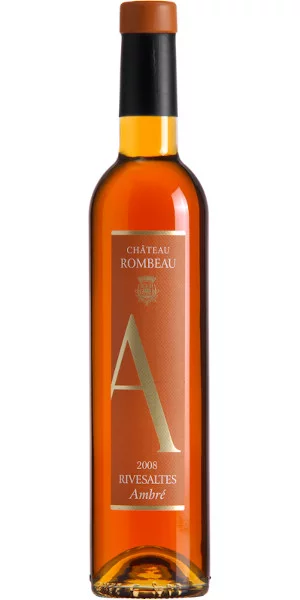
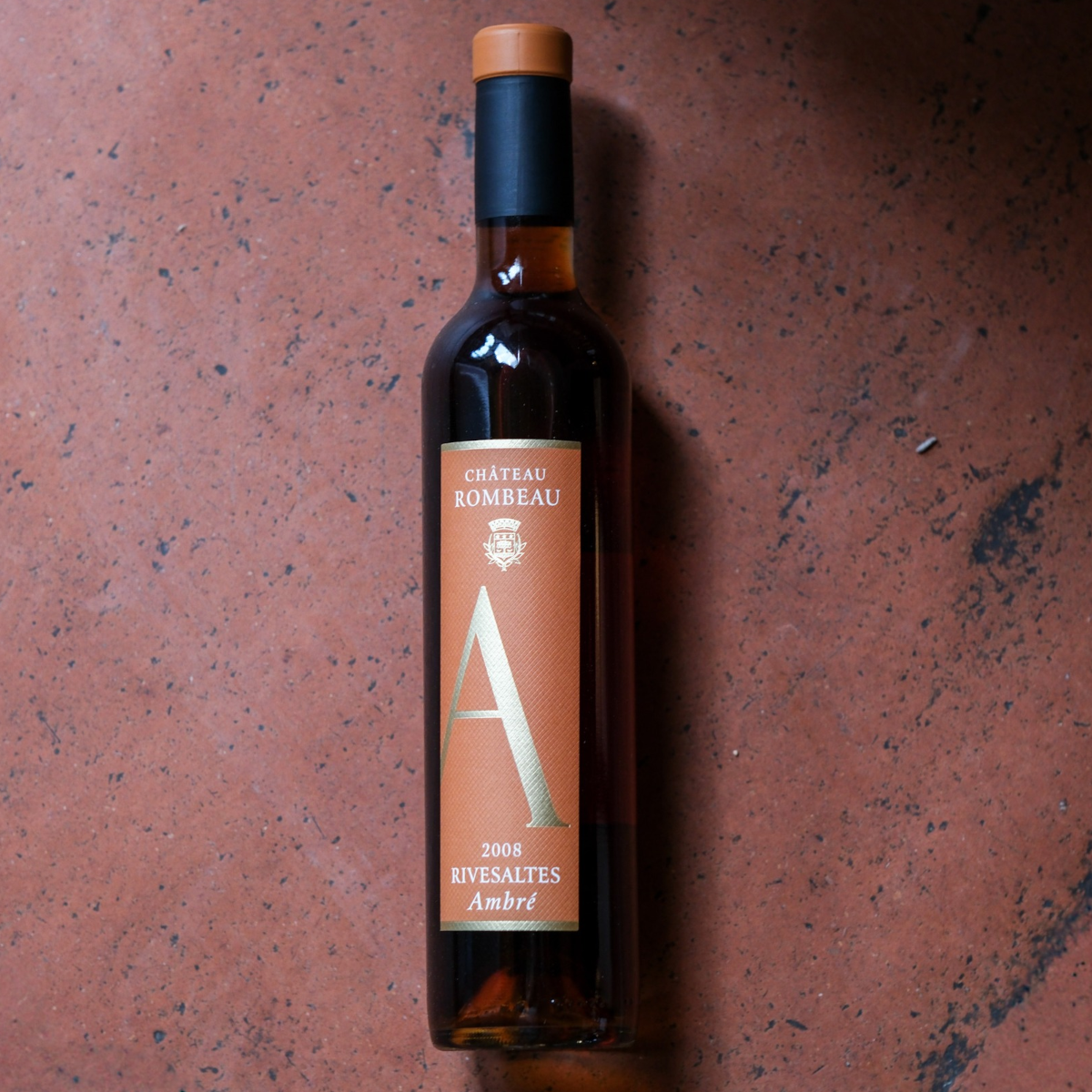
One of the most storied estates in Roussillon, Domaine de Rombeau traces its origins to 1727, when the de la Fabrègue family first arrived in Rivesaltes from Lyon. By 1850, the family had amassed vineyard holdings and became of one the region’s first to bottle wine. Tanks that date from that period can still be found on the estate. The family persevered through phyolloxera and successive World Wars, continually delving deeper into the region’s traditions while remaining open to the possibilities of the future. As sixth-generation family winemaker Philippe Raspaud said: “Tradition is alive.” Chateau Rombeau grows many varieties of grapes and produces a range of high quality and excellent value wine in the Languedoc Roussillon. They have converted many of the vineyards to organic viticulture and are committed to soon being an 100% organic producer.
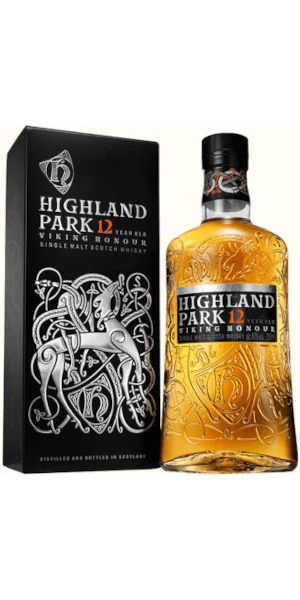
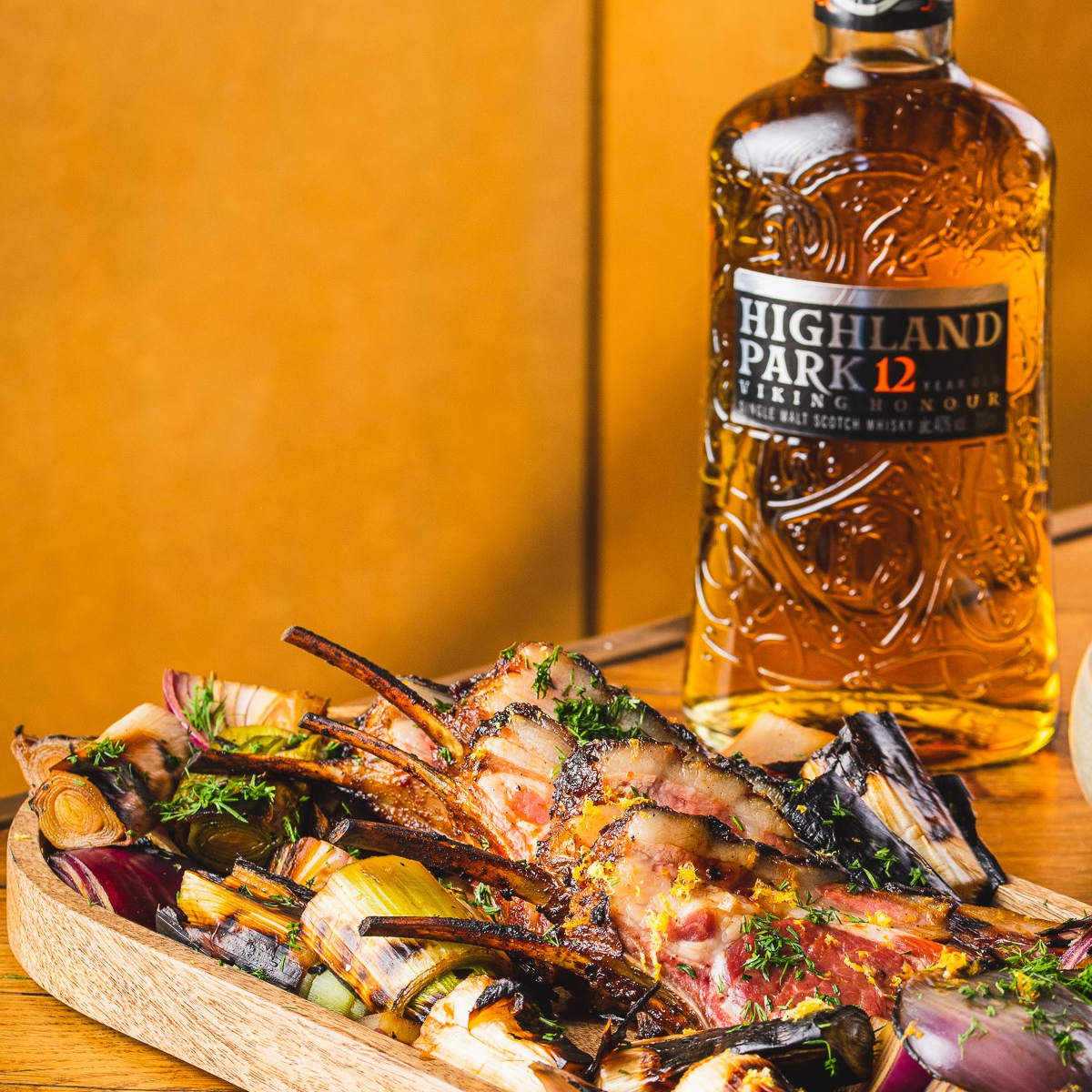
Highland Park is truly in a realm of its own. Located on the isolated Orkney Island they are heavily influenced by Norse culture which is reflected in their bottlings. Balance is key with Highland Park, perfectly mingling fruit, sweetness and smoke on all their expressions. Coastal influence comes through and you can sense the waves breaking on the rocks and misting the malting barley in every taste. In their words “the salt spray means there’s never been trees on Orkney, leaving only Heather, and because of that the peat is different, and because of that the aroma when it’s burned is different, and that makes Highland Park.”
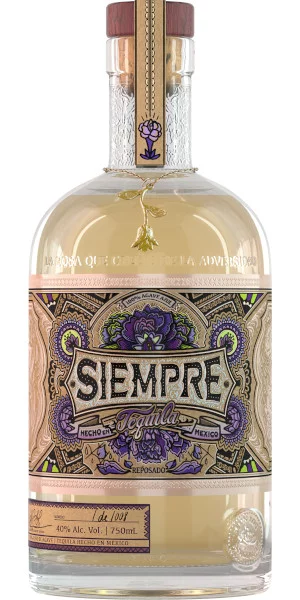
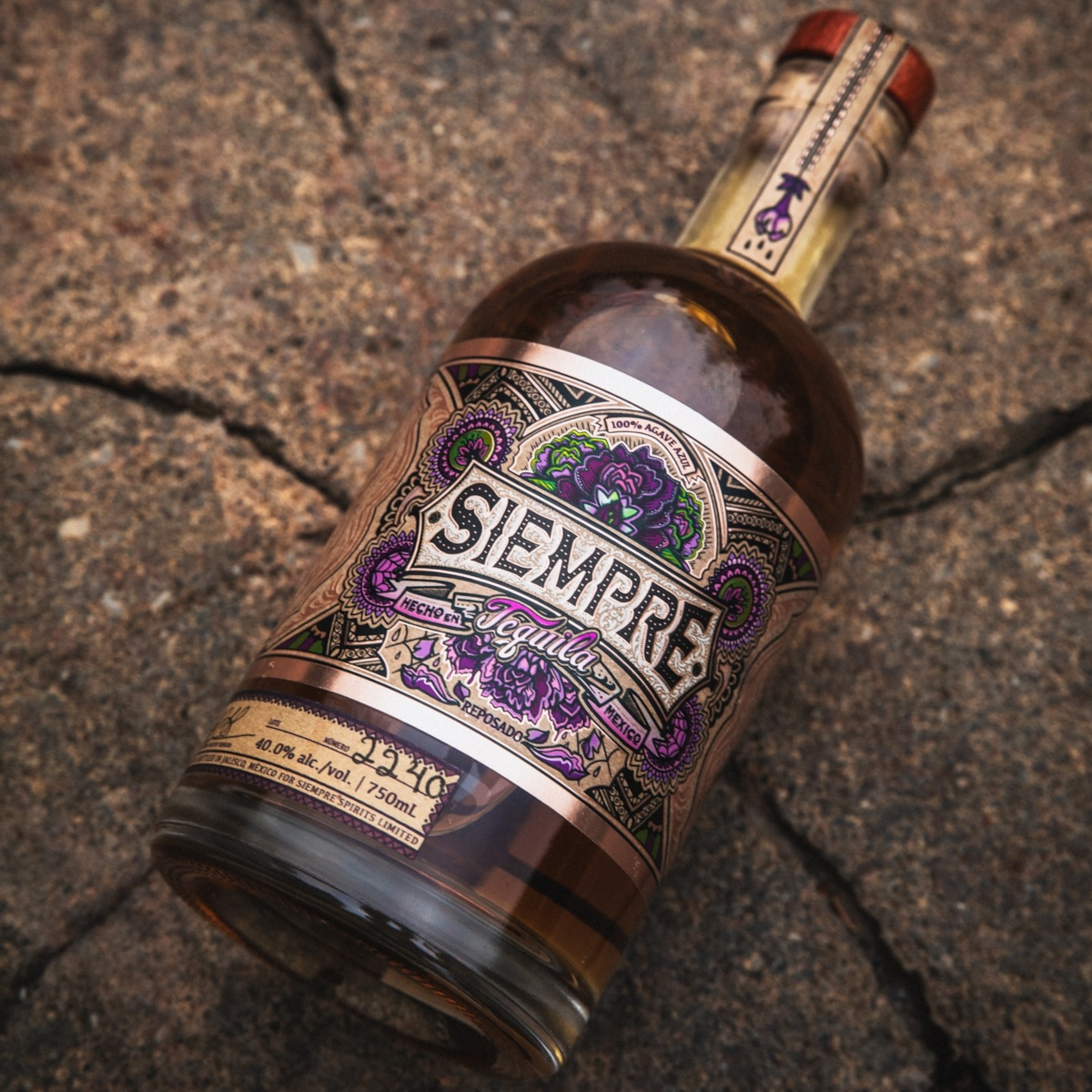
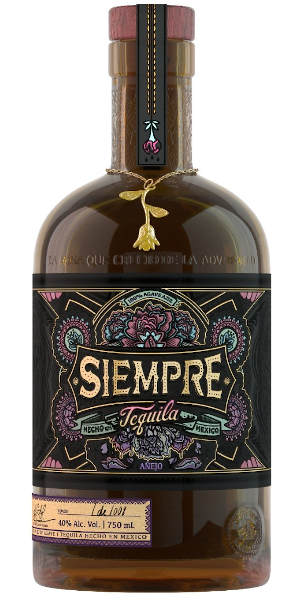
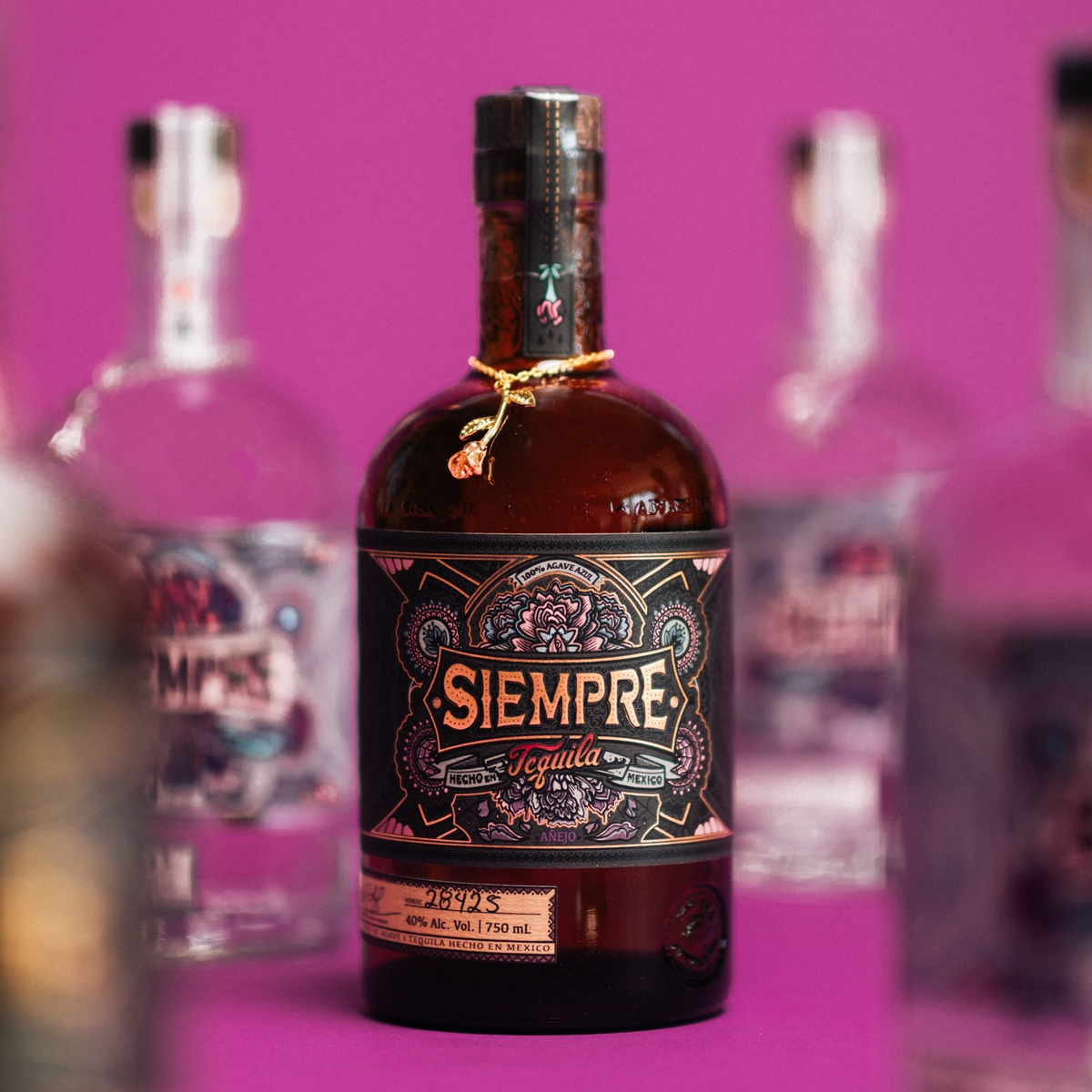
Founders, Monica Sanita and Alex Lacroix grew Siempre into a successful International brand from $9000 and a credit card. They put it all on the line to build a brand around Monica’s grandmother’s lifelong agricultural experience and creating agave spirits in Mexico.
Alex has this to say about the brand “Siempre means always, and we always see the beauty of everything. It doesn’t matter how dark your past is or how hard you had it growing up, you can still have a positive impact on the world and turn things around.”
Founders, Monica Sanita and Alex Lacroix grew Siempre into a successful International brand from $9000 and a credit card. They put it all on the line to build a brand around Monica’s grandmother’s lifelong agricultural experience and creating agave spirits in Mexico.
Alex has this to say about the brand “Siempre means always, and we always see the beauty of everything. It doesn’t matter how dark your past is or how hard you had it growing up, you can still have a positive impact on the world and turn things around.”
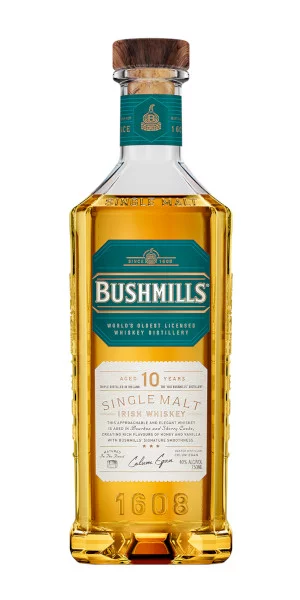
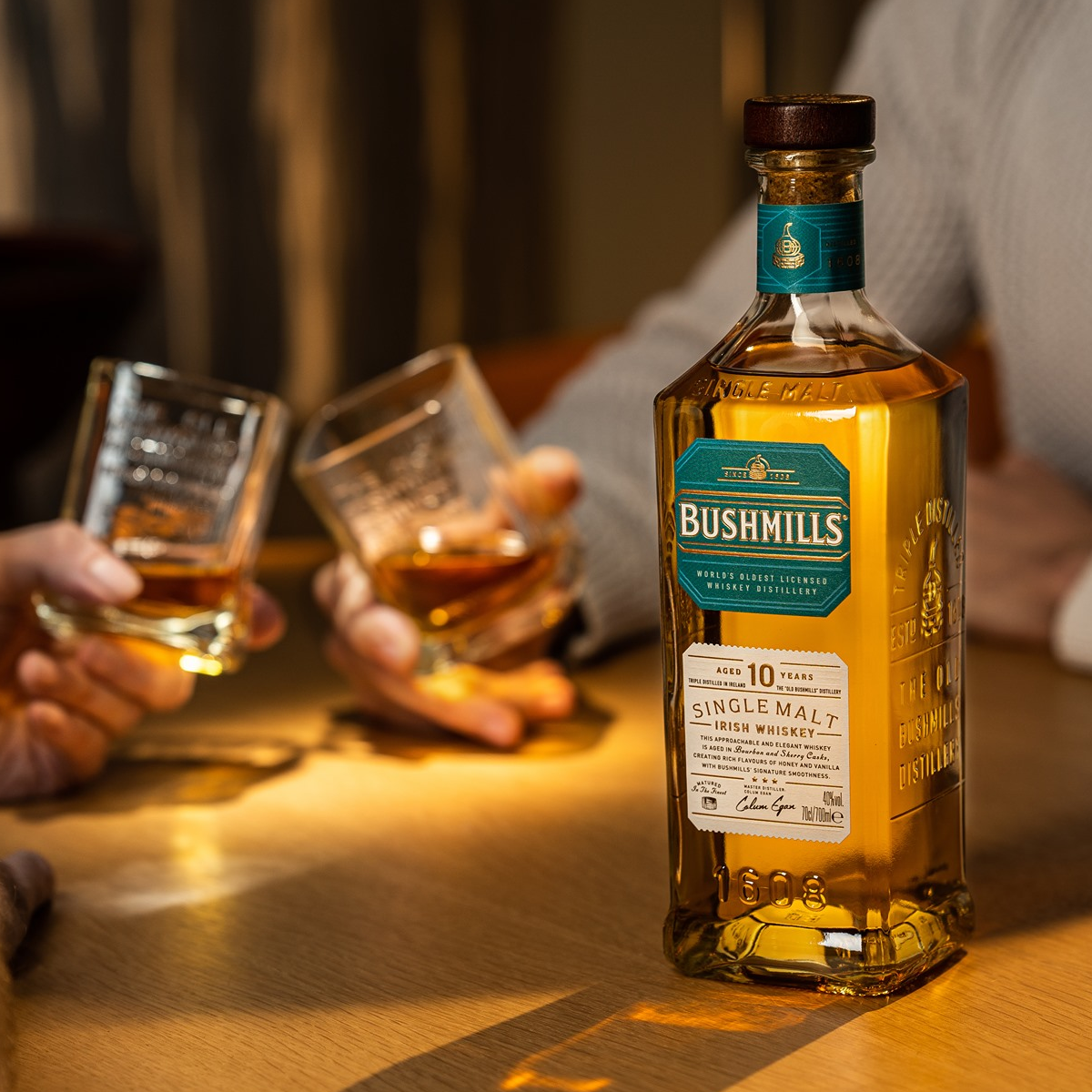
The Old Bushmills Distillery is widely considered the oldest licensed distillery in the world dating back to 1608 and is named for the plethora of mills along the river Bush from which the distillery draws its water. The original distillery was almost completely destroyed in 1885 by a disastrous fire but has been in continual production since being rebuilt.
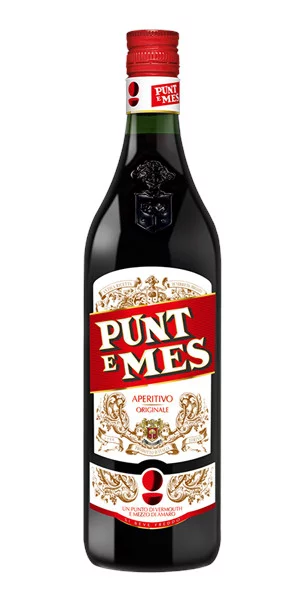
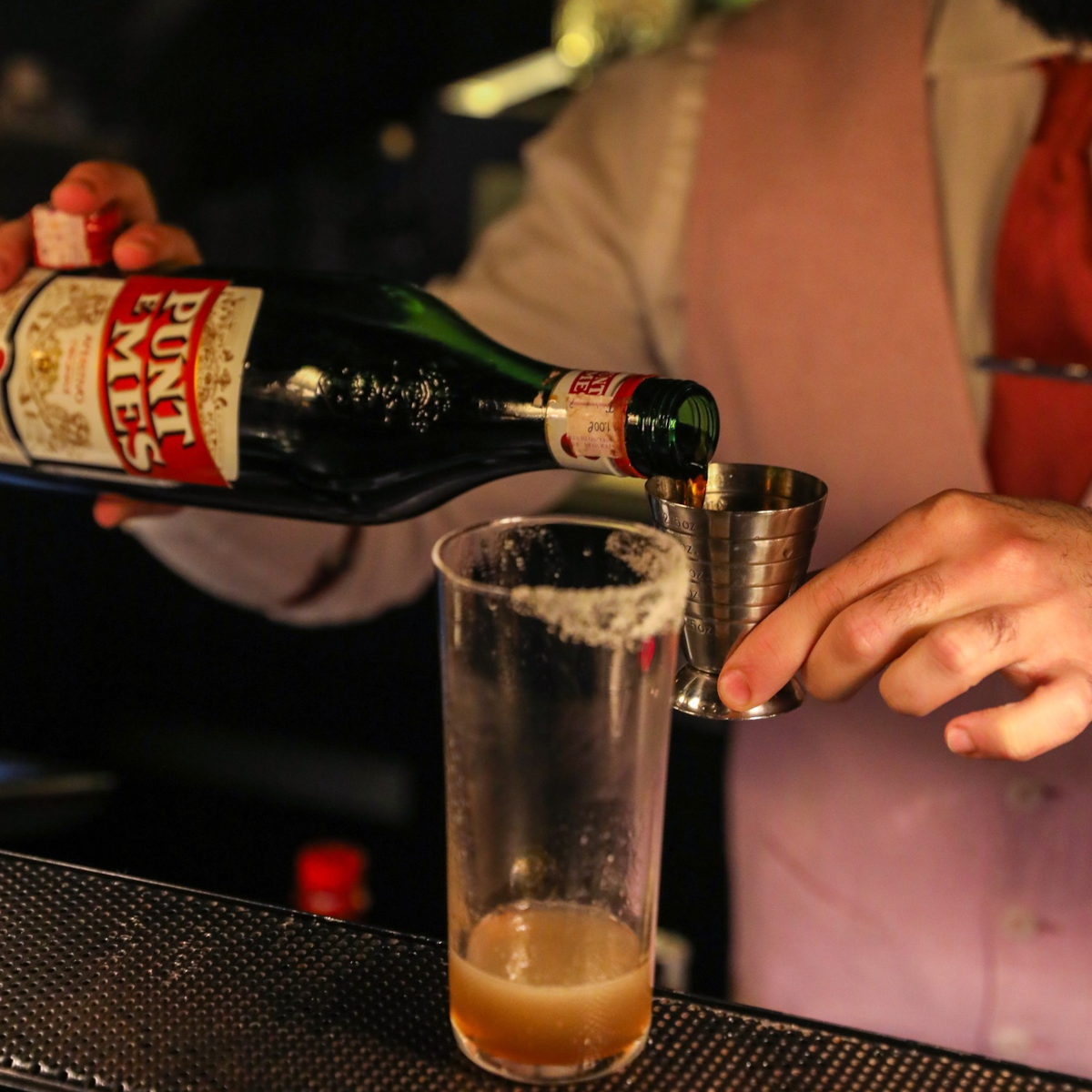
Pronounced “poont-eh-mess” in the Piemontese dialect, it means a point and a half. The story goes that on 19 April 1870 , a stockbroker, caught up in a discussion with colleagues whilst in the Carpano wine shop about the increase in share prices on that day – one and a half points – ordered his usual Carpano vermouth but asked for the barman to add half a measure of bitter, using the regional expression “Punt e Mes”. The drink immediately became popular as an aperitif before lunch, as recalled by the barman of the time Maurizio Boeris.
The bizzarre origin of this new name came into common use not long after, with “regulars” of the wine shop ordering Punt e Mes with a gesture.
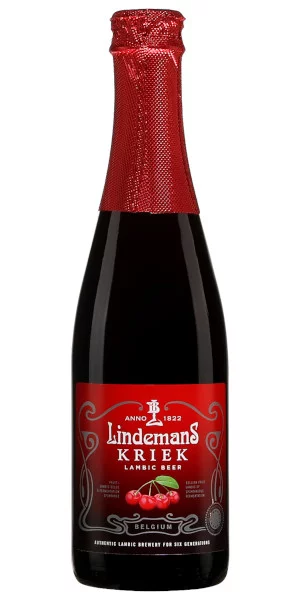
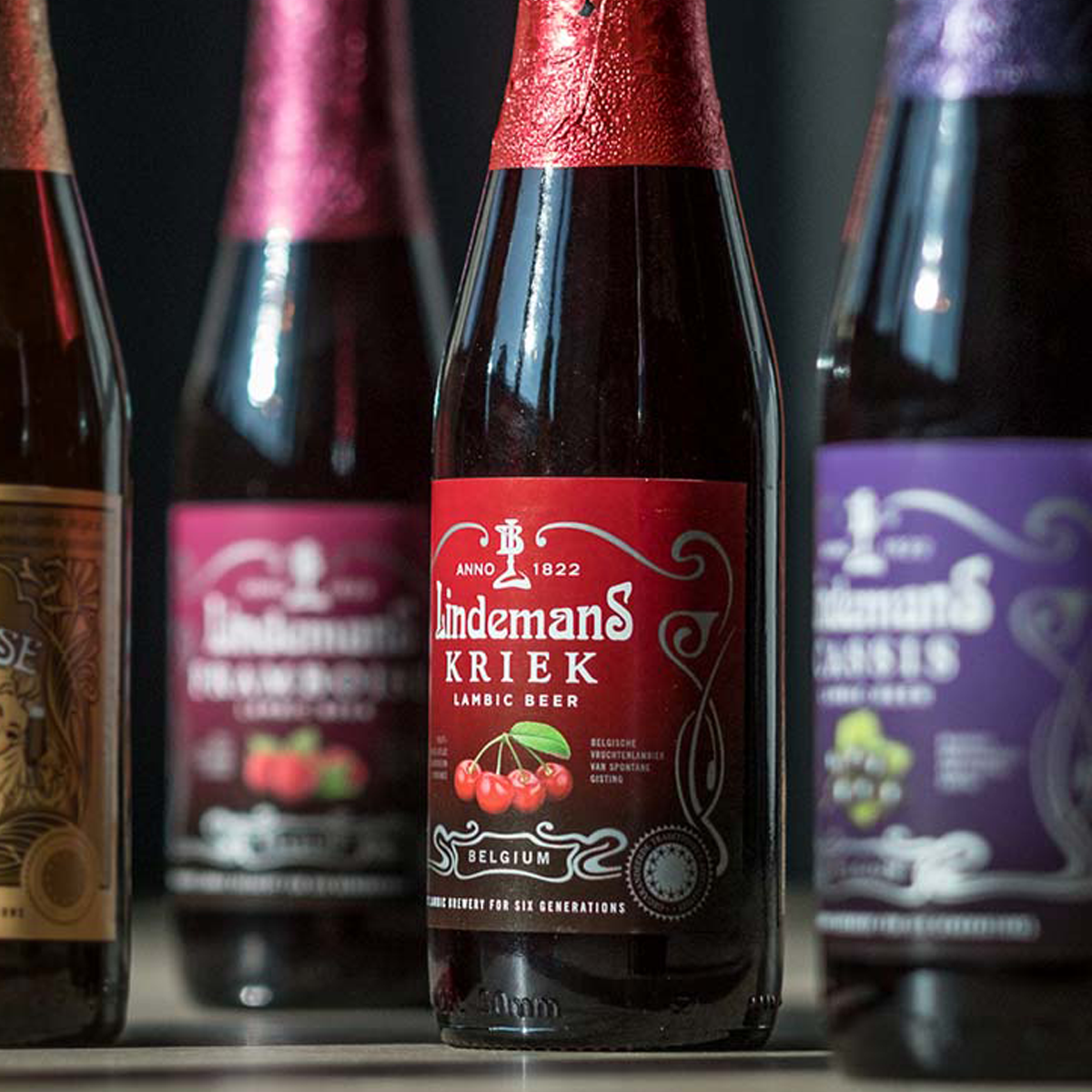
Southwest of Brussels, in the quiet Belgian town of Vlezenbeek, the Lindemans family has been farming and homebrewing as long as anyone can remember. Commercial brewing started in 1822.
Lambic, or spontaneously fermented beers, are the beers of this region and are among the world’s rarest: they are the only beers fermented via wild, airborne yeast – no yeast is added by the brewers. Lambics come only from the Senne River valley, near Brussels – a region about 15 by 75 miles in size. The unusual, demanding, and unique flavors that come from multiple yeast strains are unmatched in the world of beer.
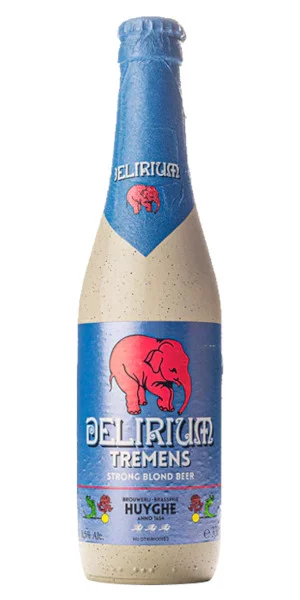
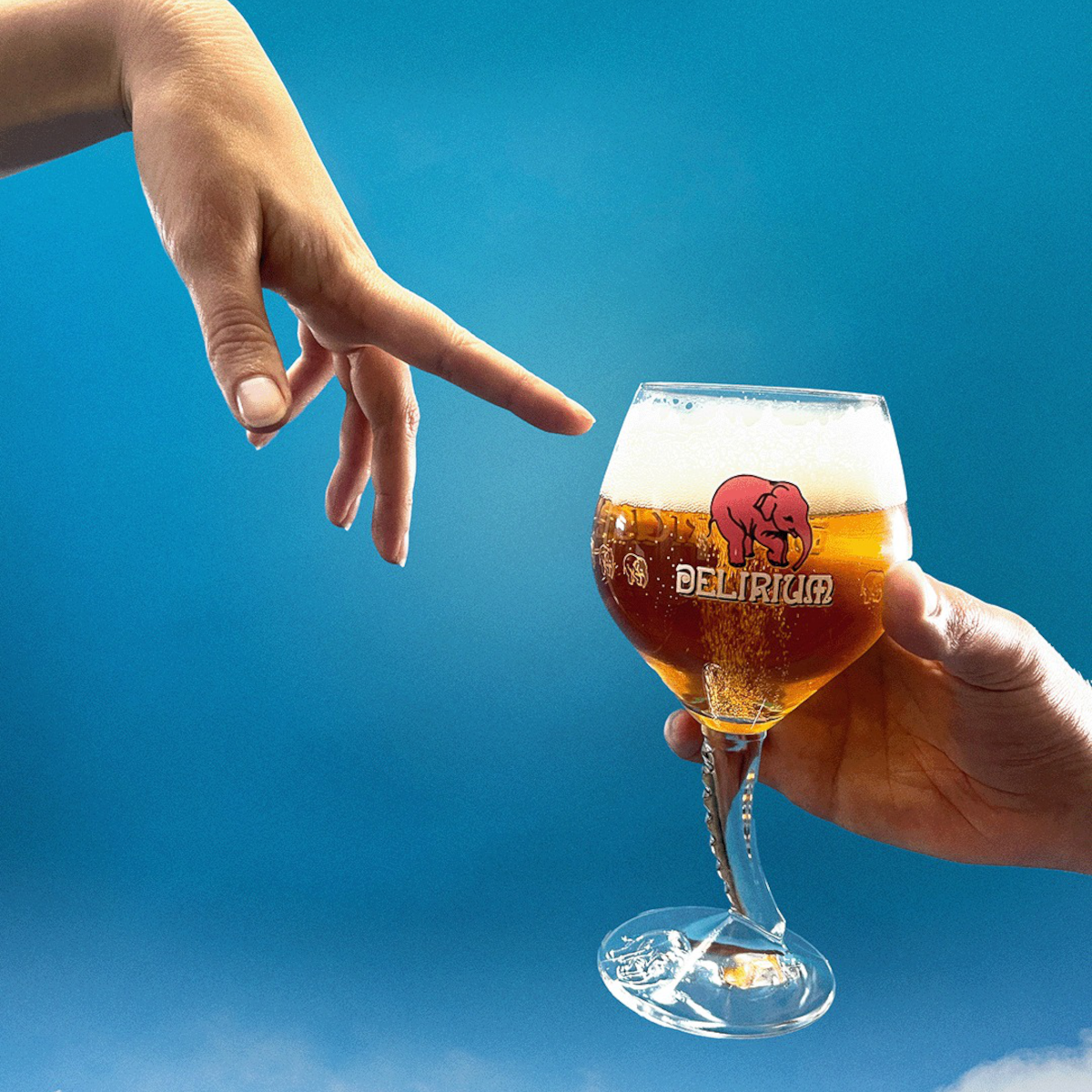
The Huyghe Brewery in Melle, Belgium is under it’s 4th generation of family ownership, and one of Belgium’s largest. They have a large range of beers they produce, as well as a partnership with the monastery that brews Averbode beer. They are most known for Delirum Tremens. Next time you’re in Brussels, be sure to check out their world famous Cafe, with over 3000 bottles in the cellar!
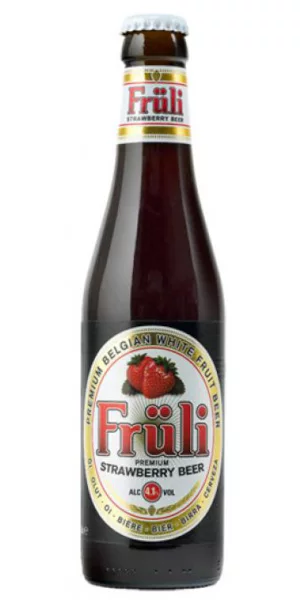
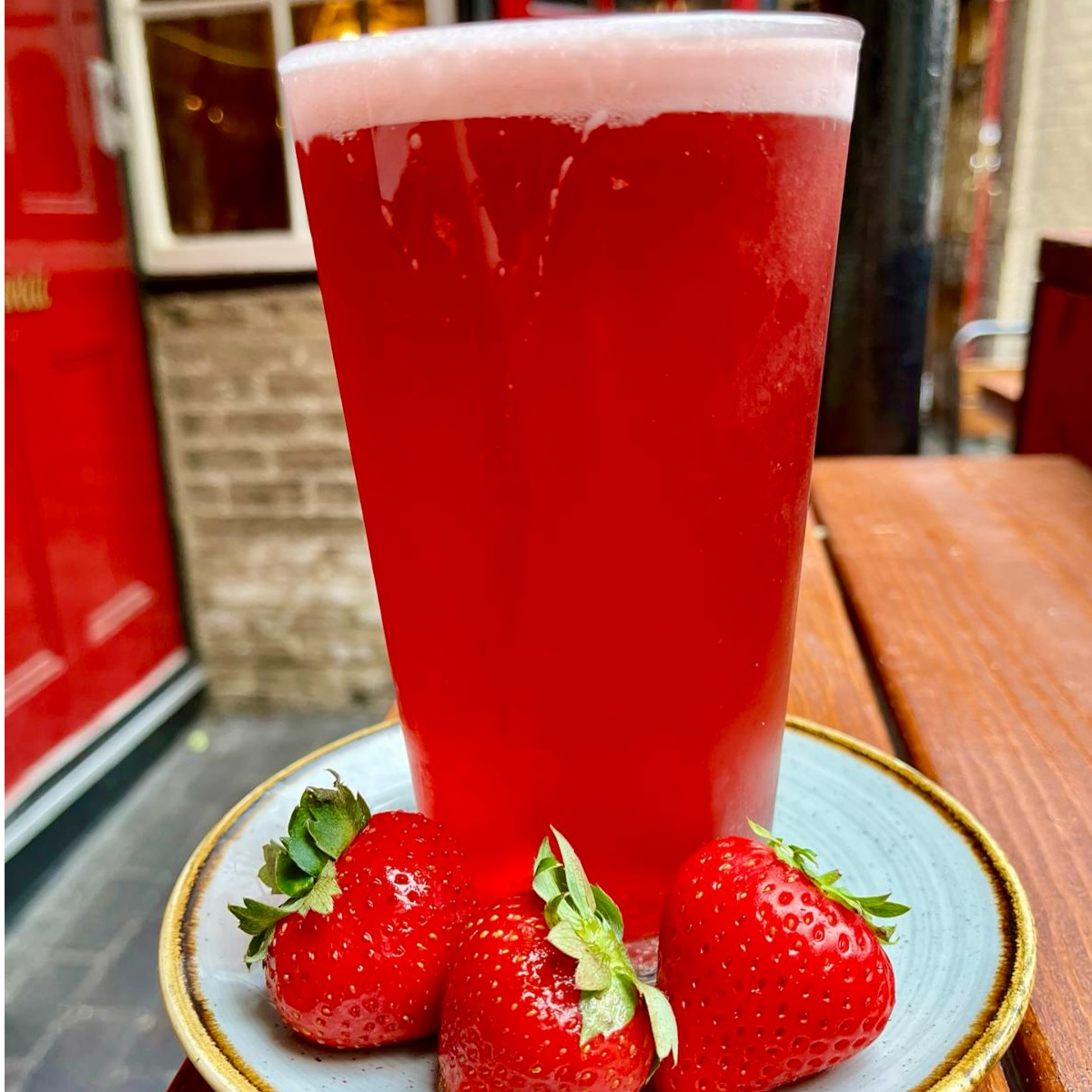
Fruli is a unique blend of white beer and strawberry juice. The juice complements the zestiness of the wheat beer and the result is a balanced and refreshing beer that is packed with strawberry fruit flavour.
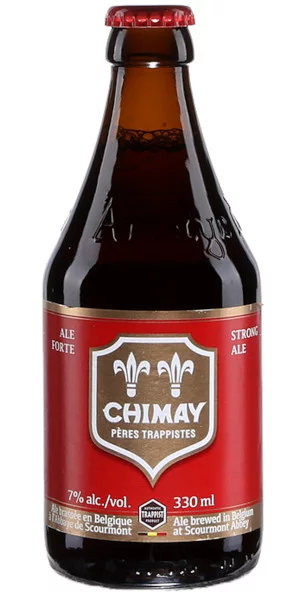
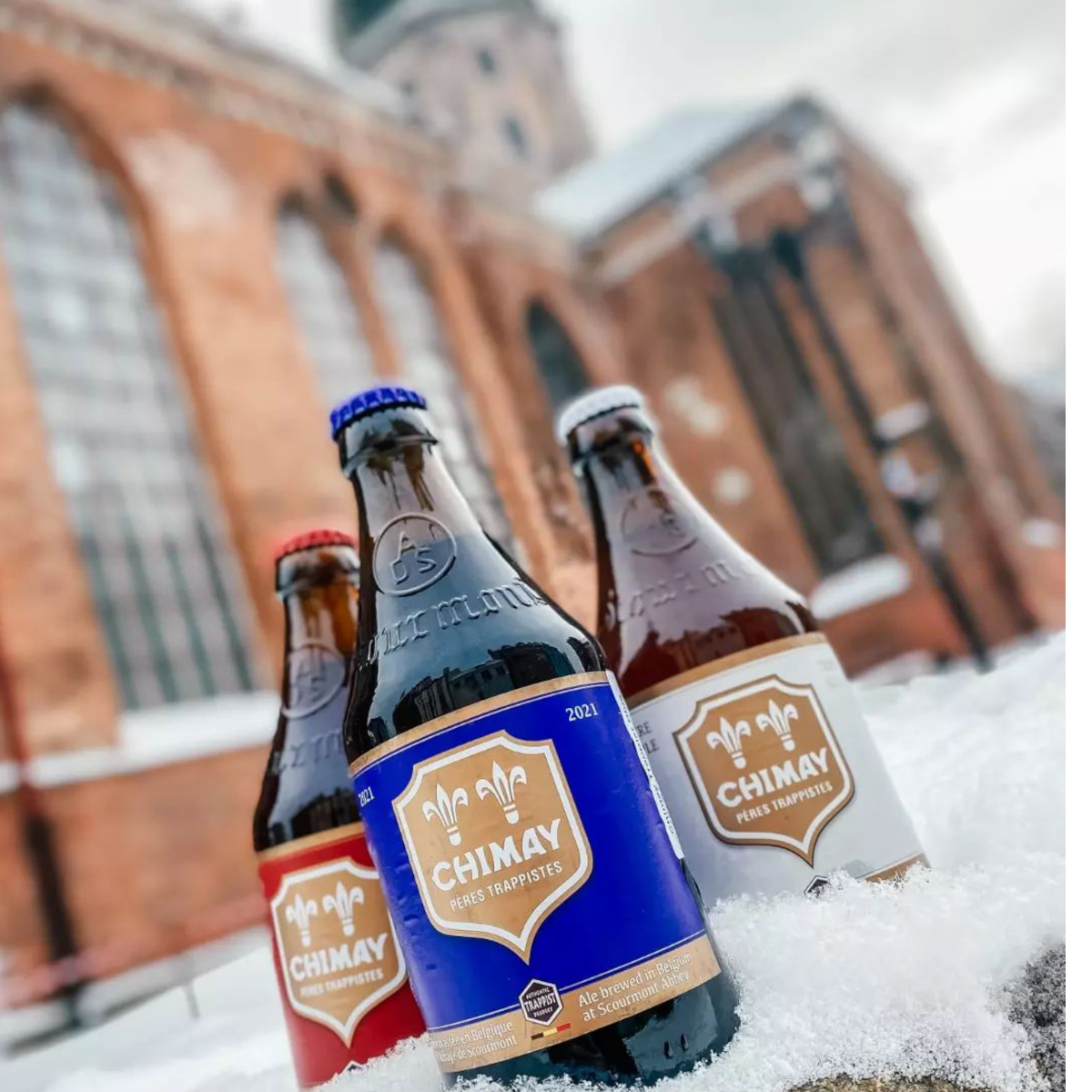
Chimay is the name of the Trappist brewery* that produces beer within the Scourmont abbey, 1km from the French border, and they have been brewing beer since 1862. Losing their copper brewing kettles to the Nazis during the war, the brewery had to restart over, but have since become arguably the most well-known Trappist brewery in the world. Like most Trappist breweries, Chimay has a house yeast culture, some may call a “super-yeast” that can produce exceptionally complex, and elegant styles of beer.
*The term Trappist Brewery relates to beer made within the walls of a Trappist abbey, where the brewing is performed by, or under the supervision of Cistercian monks. There are only a handful of legally defined Trappist breweries in the world.
The Huyghe Brewery in Melle, Belgium is under it’s 4th generation of family ownership, and one of Belgium’s largest. They have a large range of beers they produce, as well as a partnership with the monastery that brews Averbode beer. They are most known for Delirum Tremens. Next time you’re in Brussels, be sure to check out their world famous Cafe, with over 3000 bottles in the cellar!
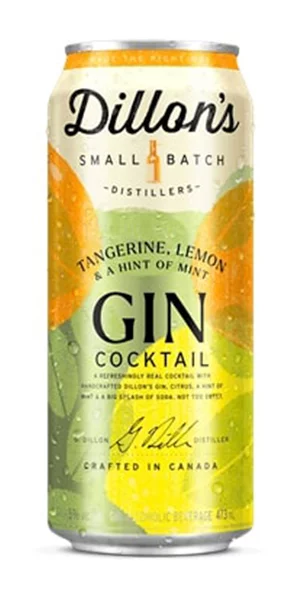
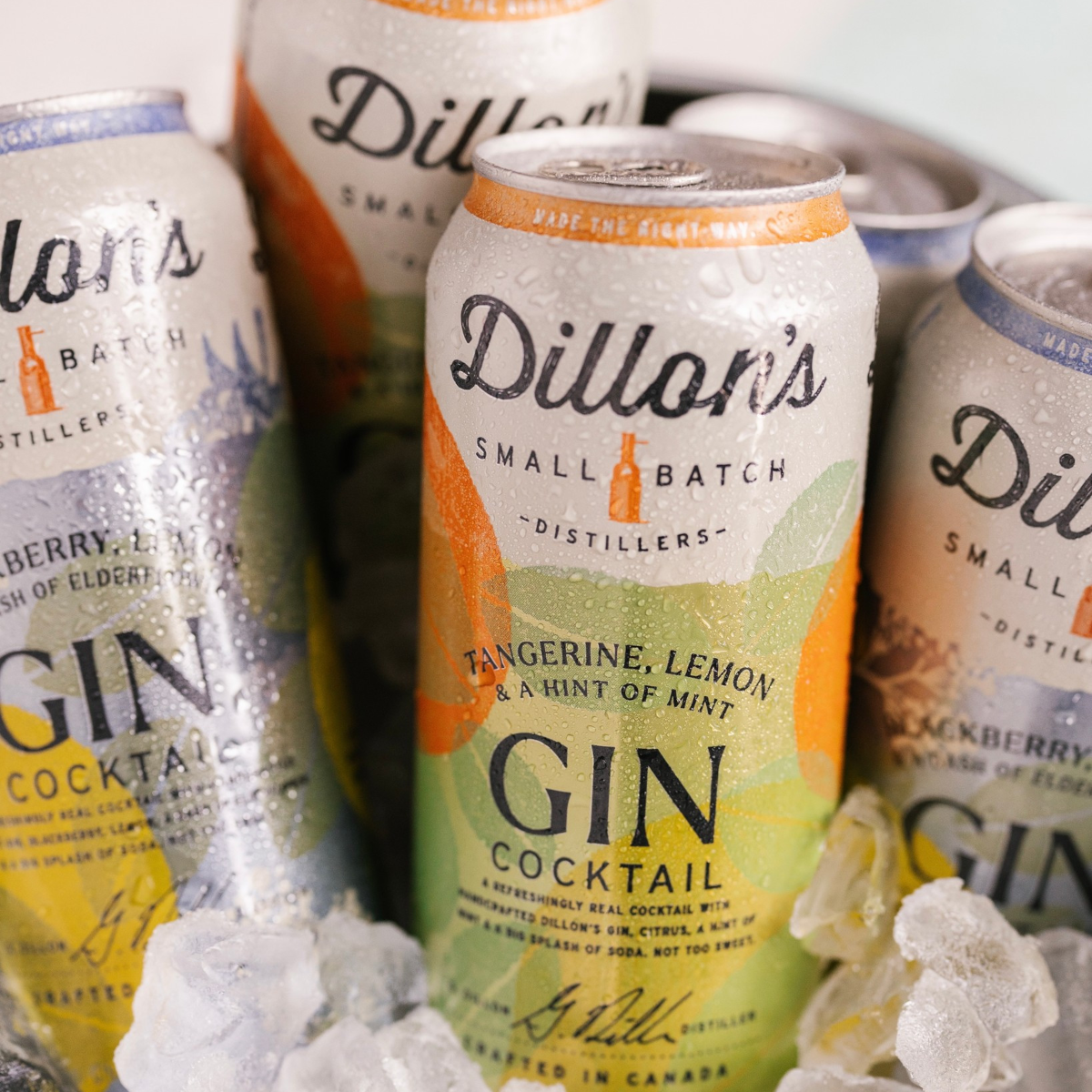
Established in 2012, Dillon’s Small Batch Distillers has quickly cemented themselves as one of Canada’s premier craft distilleries. Producing a wide range of products from Gin, Vodka, Rye Whiskey, Pre-made Cocktails, canned Seltzers, and even bitters. Dillon’s sources much of their raw ingredients directly from Ontario and the Niagara region as much as possible, supporting local farmers and fruit growers from around the region. Winning national and international awards, it’s no wonder they are one of the hottest distilleries in Canada.